Iraq Turns to Syria, Turkey Routes for Oil Exports Amid Hormuz Disruptions
Baghdad expands alternative channels as regional conflict and Strait closure destabilize global energy flows
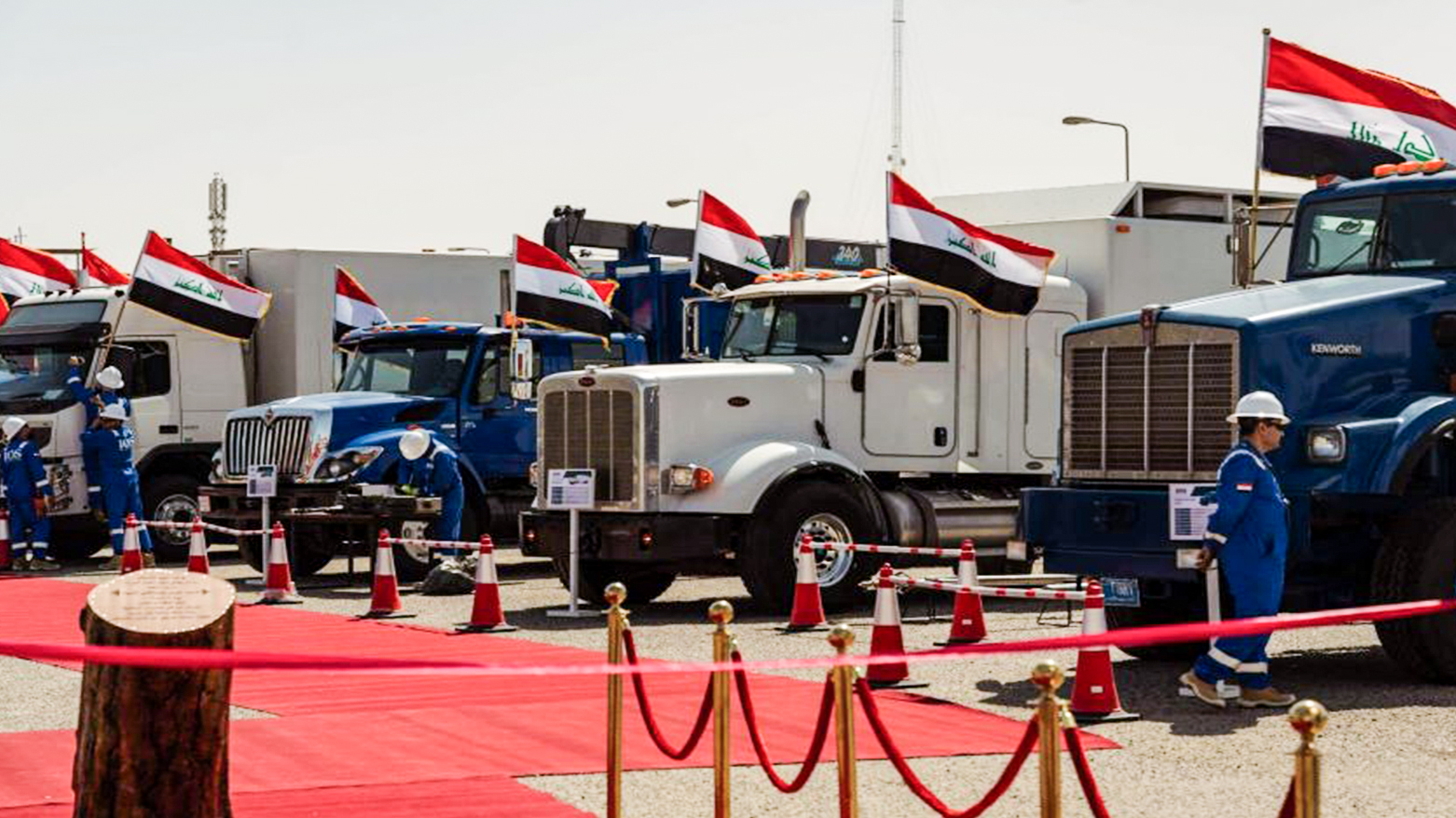
ERBIL (Kurdistan24) — The Iraqi Ministry of Oil announced on Thursday the launch of crude oil exports by truck through neighboring Syria, as Baghdad seeks to sustain revenues amid mounting regional disruptions that have choked traditional export routes.
In an official statement, the ministry said the move is aimed at supporting the national economy and ensuring continued financial inflows to the state treasury.
It highlighted ongoing coordination with Syrian authorities to facilitate the transport of oil across Syrian territory to export outlets, adding that volumes are expected to increase gradually.
The ministry also noted that Iraq had previously resumed crude exports through the Turkish port of Ceyhan, signaling a broader strategy to diversify export channels.
The shift comes as escalating conflict involving the United States, Israel, and Iran has led to the effective closure or severe disruption of the Strait of Hormuz—a critical maritime artery through which a significant portion of the world’s oil supply typically flows.
The blockage has sent shockwaves through global energy markets, contributing to sharp volatility in oil prices as traders react to supply uncertainties. Gulf producers, including Iraq, have been particularly affected, with exports constrained by the inability to ship crude through the narrow waterway safely.
In response, regional oil-exporting countries have increasingly turned to alternative routes, including overland transport and pipelines linking to ports outside the Gulf.
Iraq’s renewed use of the Ceyhan pipeline and its expansion into Syrian transit corridors reflect an urgent effort to bypass the Hormuz bottleneck and maintain export capacity.
While these alternatives provide partial relief, analysts note they are less efficient and more costly than maritime routes through Hormuz, underscoring the scale of disruption caused by the ongoing conflict.
The situation has heightened concerns about long-term supply stability and placed additional pressure on governments across the region to secure sustainable export pathways.
The Iraqi government’s latest measures illustrate both the adaptability and the vulnerability of regional energy systems, as geopolitical tensions continue to reshape the flow of one of the world’s most critical commodities.