From Petah Tikva to Kuwait: Iran’s Strikes and Domestic Purges Escalate a Region on Edge
Iran struck Israel’s Petah Tikva drone factory, halting operations, as the regional conflict widens. Executions and sanctions within Iran, alongside attacks in Kuwait and Lebanon highlight a multi-front regional escalation hitting civilians, infrastructure, and military sites.
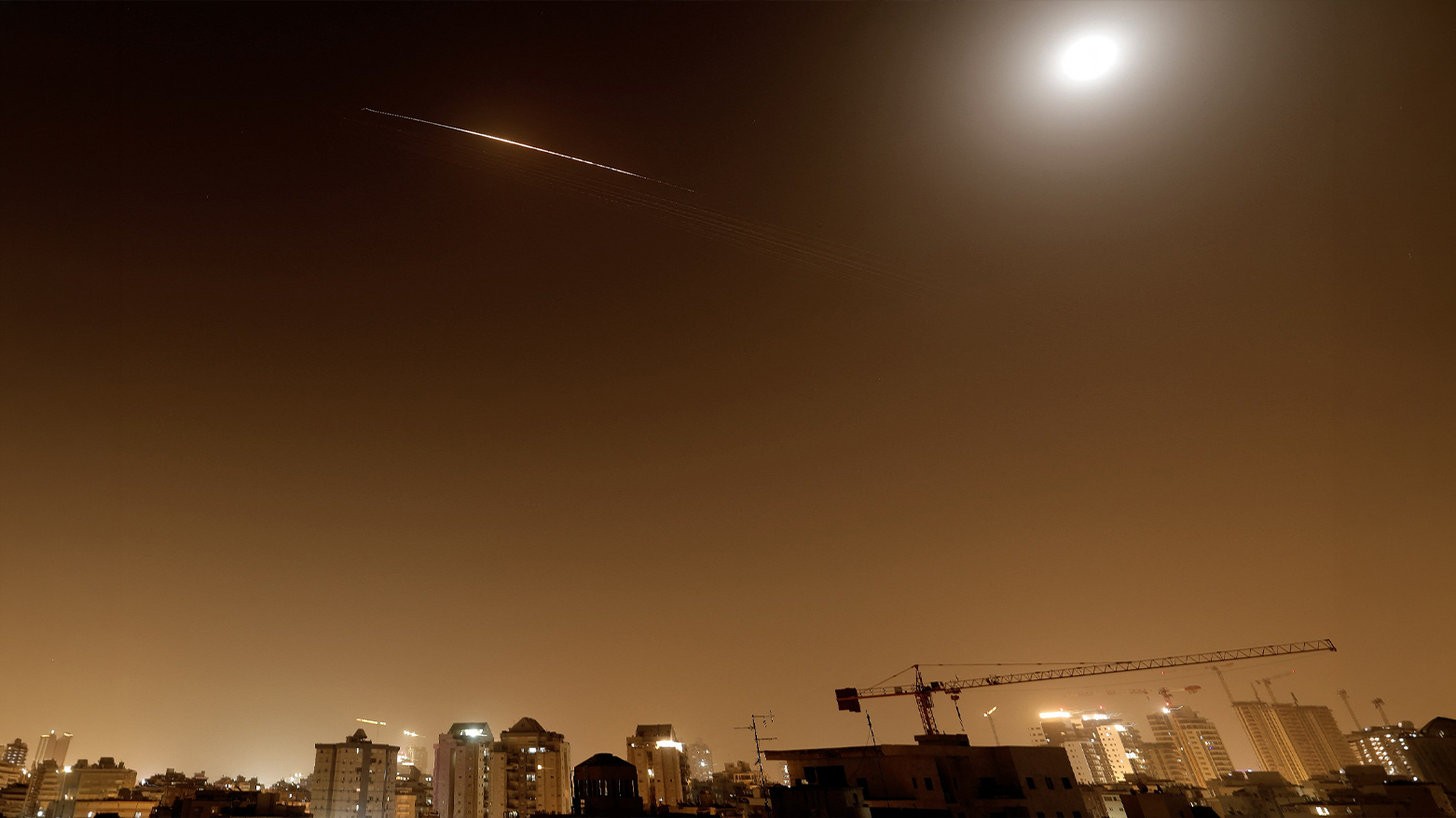
ERBIL (Kurdistan24) - Iranian forces carried out a missile strike last Thursday that destroyed a drone manufacturing facility in Petah Tikva, Israel, officials and company representatives said, marking the latest escalation in the ongoing regional conflict between Iran and Israel.
The strike targeted the AeroSol Aviation Solutions facility, which produces drones and bomb components for the Israeli army, and caused damage severe enough to prevent the factory from resuming operations, the company’s CEO, Israel Fasslerlauf, stated. According to reports, the missile employed a cluster warhead and struck the perimeter of the installation, fully demolishing the site.
The attack follows a series of recent Iranian military operations and domestic actions in connection with the broader conflict, including the execution of two individuals the Iranian judiciary described as “enemy mercenaries” and the imposition of sanctions on more than 100 prominent Iranian figures for allegedly supporting the enemy.
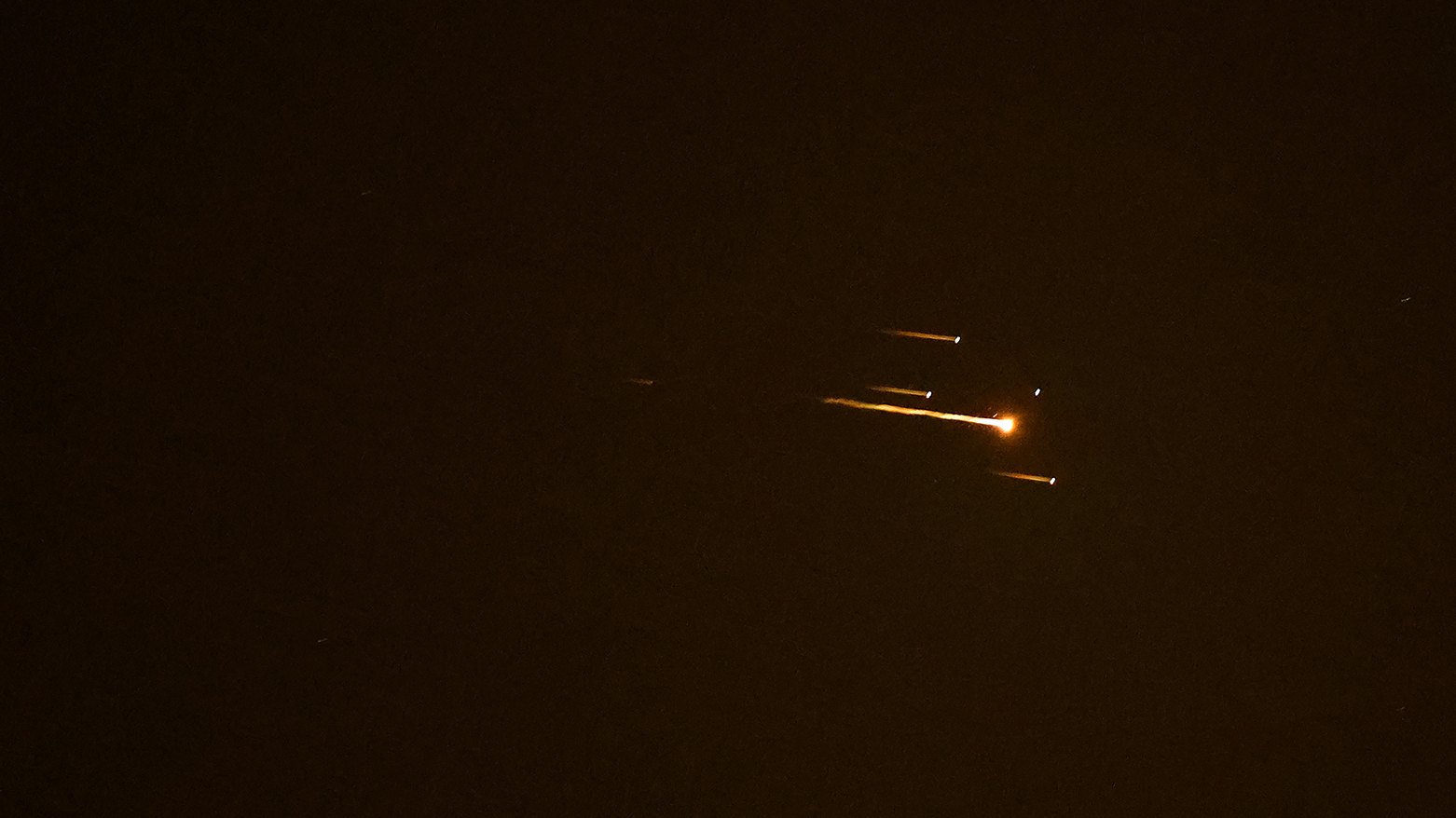
On Sunday, the Iranian Public Prosecutor’s Office issued a communiqué noting that the penalties include freezing the assets and bank accounts of the targeted individuals.
Officials confirmed that the list encompasses actors, athletes, managers, and journalists, specifically including reporters affiliated with the Iran International and Manoto media networks. Authorities did not disclose further details regarding the names or the specific charges.
The executions, reported earlier on Sunday by IRNA, involved Mohammad Amin Beglari, son of Mustafa, and Shahin Vahidparast, son of Gholamreza, who were accused of attacking a classified military site during protests in January.
According to the judiciary, both men participated in acts of sabotage and attempted to access a military armory, though the officials said their efforts to seize weapons and conduct mass attacks on civilians were unsuccessful. The Supreme Court approved the sentences following scrutiny of the cases, authorities said.
Iranian Education Minister Hossein Simaee Sarraf addressed casualties at the country’s academic institutions resulting from the hostilities. Sarraf reported that 30 universities have been directly attacked since the onset of the conflict on February 28, with 60 students and five professors killed so far.
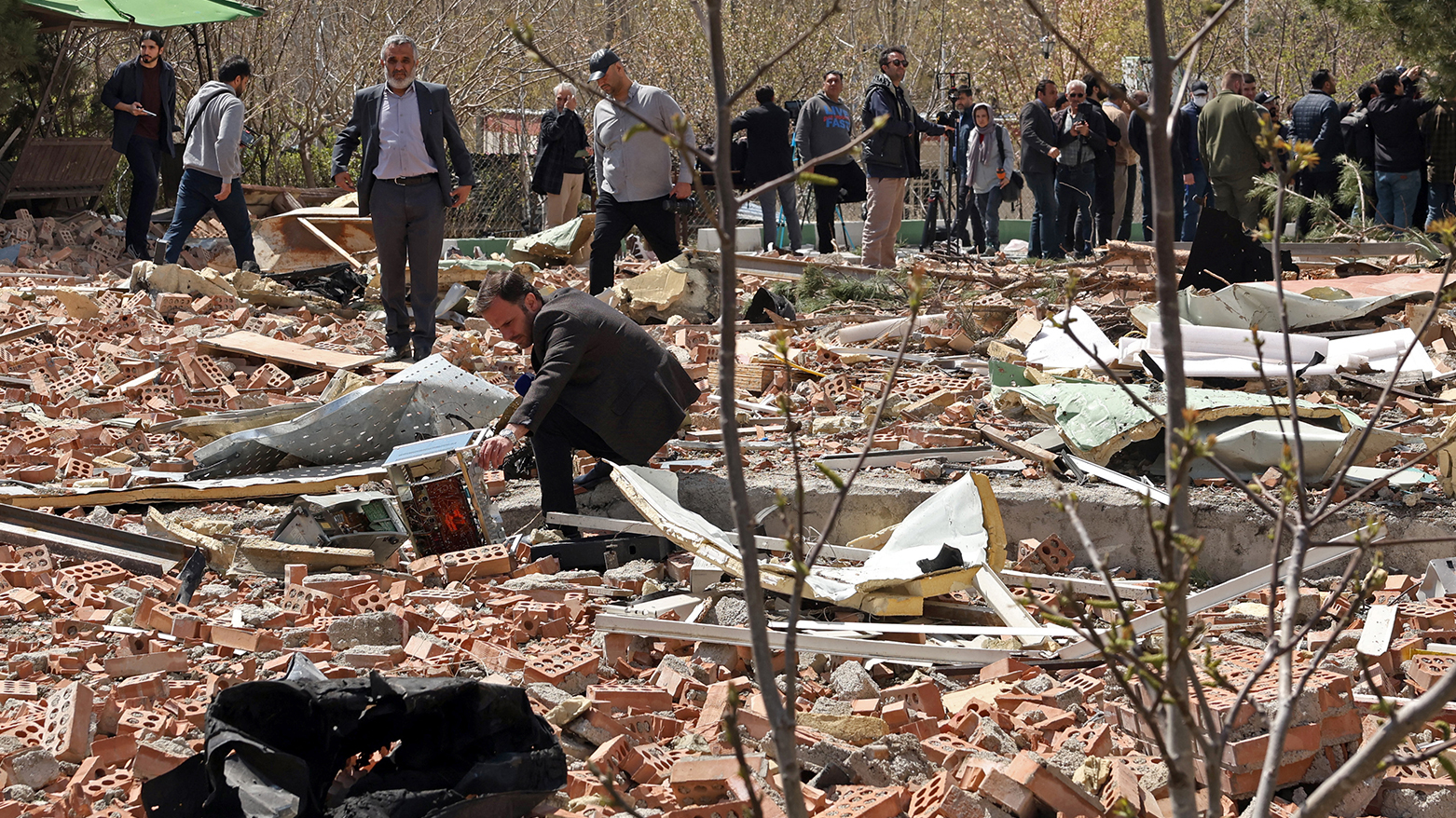
Speaking at one of the targeted educational centers, the minister characterized the attacks as deliberate assaults on scientific and civilian infrastructure and called on the international academic community to respond, emphasizing the need for preventive measures to protect universities from further attacks.
Meanwhile, Kuwaiti authorities reported that Iranian drone attacks targeted critical infrastructure within the country, including power and water stations and the oil sector. On Sunday, April 5, the Kuwaiti Ministry of Electricity and Water said two production stations were seriously damaged and two power generation units disabled.
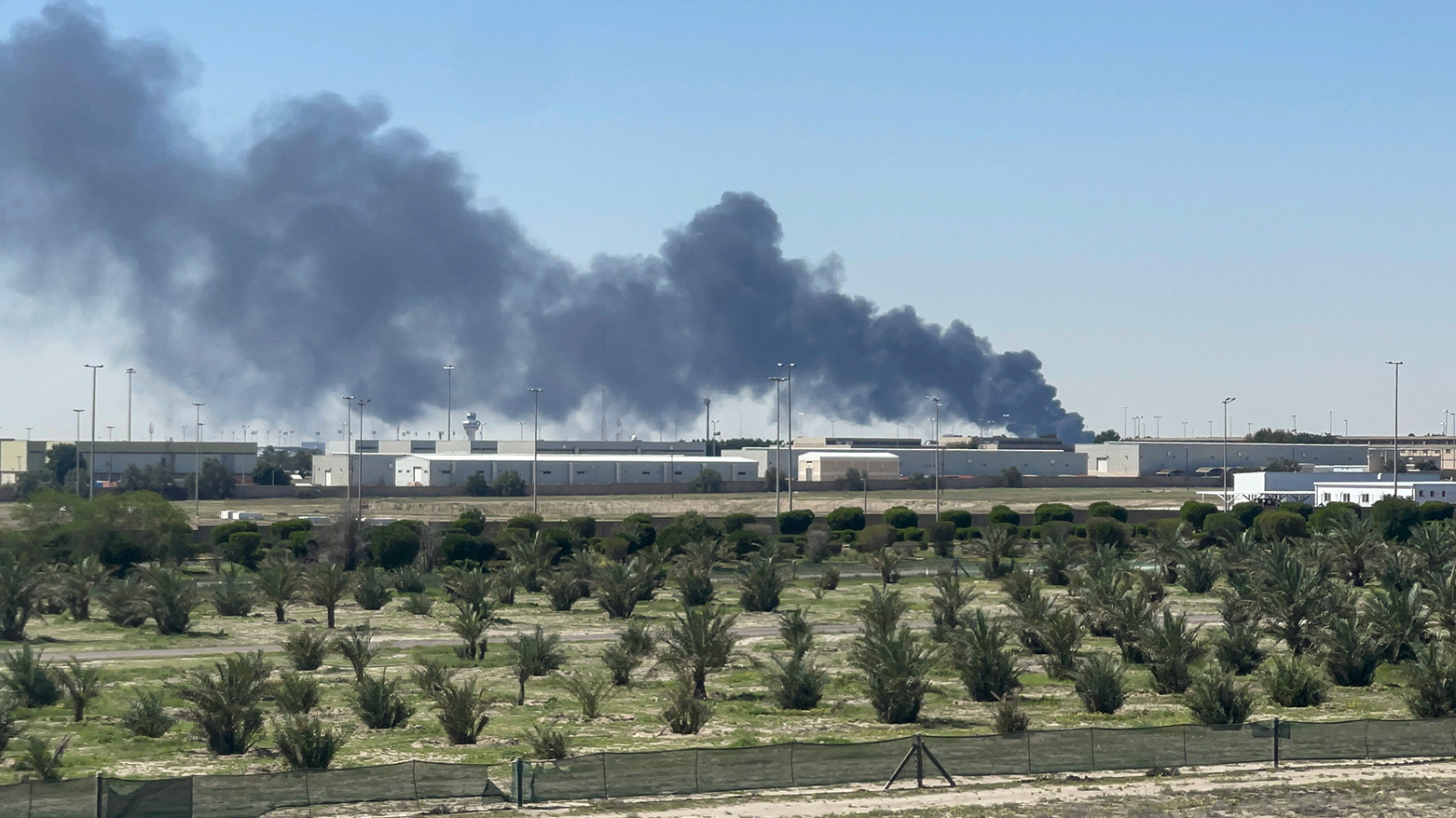
The Ministry of Finance’s building in Kuwait City also sustained material damage from drone strikes, prompting temporary online work for employees. In the Shuwaikh area, the Kuwait Petroleum Corporation reported a fire at its oil sector complex, which also houses the Ministry of Oil; firefighting teams brought the blaze under control, officials said.
The Kuwaiti Army General Staff confirmed that the nation’s air defense systems are active and responding to ongoing missile and drone attacks. Kuwaiti authorities labeled the attacks as criminal aggression.
On the Lebanese-Syrian frontier, the Israeli army issued an urgent warning for residents and travelers to evacuate the Masnaa Crossing area, citing planned bombardments to disrupt Hezbollah military operations and the smuggling of weapons. The Israeli army’s communiqué instructed all personnel in the vicinity, as well as travelers on the M30 road, to leave immediately.
Lebanese security sources confirmed evacuation efforts were underway, while Syrian border officials indicated that traffic at the Judeidat Yabous crossing, which serves civilian purposes, was temporarily suspended to ensure the safety of travelers.
The Masnaa crossing is a key commercial route between Lebanon and Syria and serves as Lebanon’s main land gateway to regional countries. Israel previously struck the crossing in October 2024, temporarily closing it for a month following a prior conflict with Hezbollah.
Lebanese Hezbollah announced it carried out retaliatory missile attacks on Israeli army positions and gatherings in southern Lebanon early Sunday morning, following intensive Israeli airstrikes on multiple southern Lebanese villages the previous night. Targets included towns such as Siddiqine, Kafra, Ain Baal, Batoulaye, and Wadi Hujeir, as well as Kfar Hatta in Sidon.
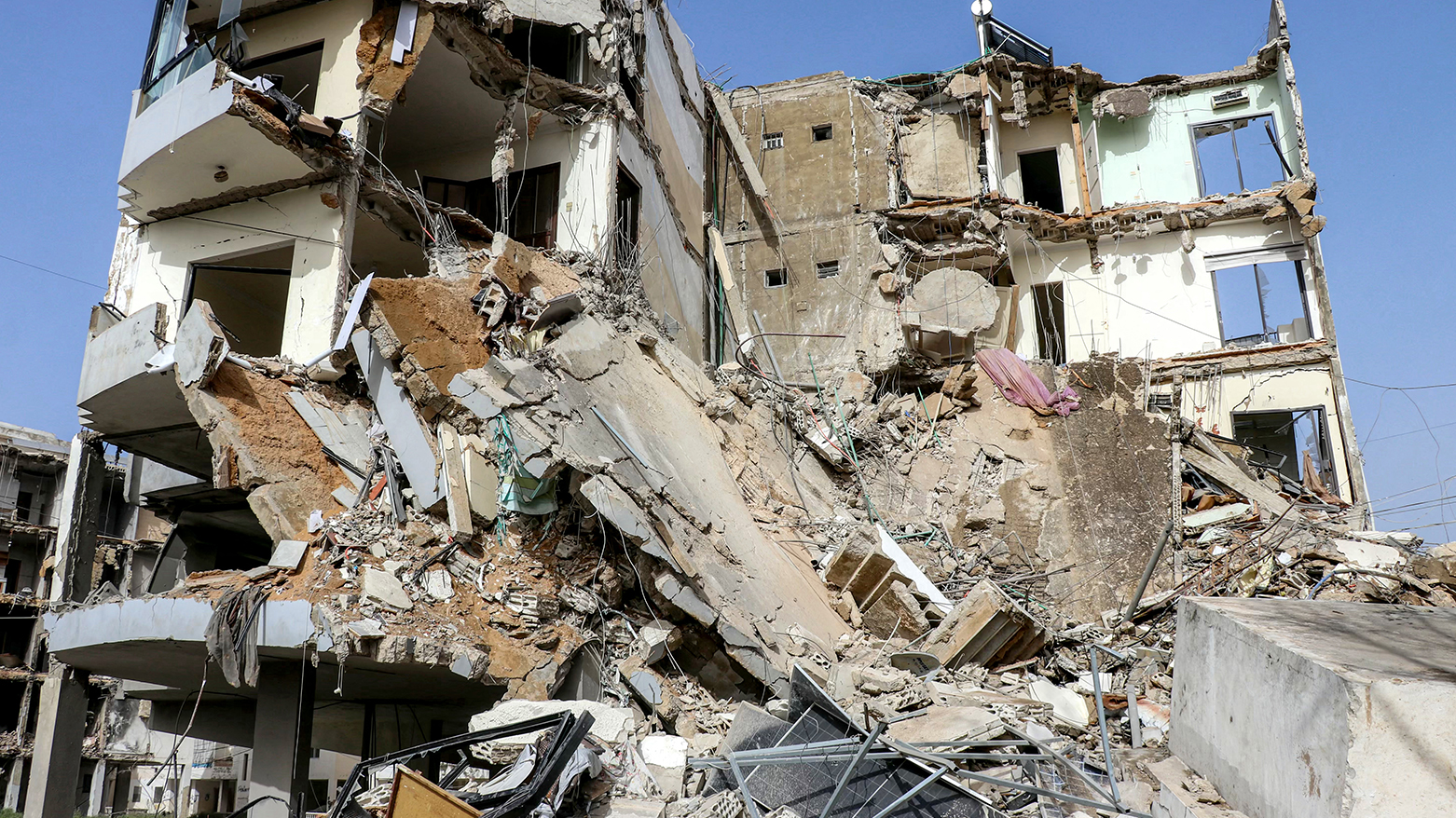
Hezbollah reported striking military gatherings in Al-Bayyada, Maroun al-Ras, the Sedr area, and Ghadmata hill in Aynata, using artillery, missiles, and drones against several bases near Al-Malikiyah.
The escalation along Israel’s northern frontier began on March 2 after Hezbollah fired missiles at Israeli positions in response to the killing of Iranian leader Ali Khamenei during a U.S.-Israeli offensive, officials said. The ongoing attacks in Lebanon underscore the expansion of the conflict into multiple theaters within the region.
Turkey has continued efforts to mediate between Iran and the United States, with a Turkish government source telling the Russian Novosti agency that initiatives to restart dialogue are ongoing in coordination with several Middle Eastern states.
The source noted that discussions regarding appropriate formats and platforms for talks are underway but that no specific agreements have been reached. Ankara emphasized the importance of the process in reducing regional tensions and initiating a political dialogue, the source added.
The unfolding events reflect a complex military and diplomatic situation involving multiple countries and non-state actors across the Middle East. Analysts report that Iran’s missile and drone strikes, domestic executions, and sanctions on influential figures constitute part of a broader campaign to assert control domestically while engaging militarily abroad.
Israeli responses include targeted strikes against strategic installations and warnings to civilian populations, while Hezbollah has actively retaliated against Israeli military positions in Lebanon.
The broader international response includes regional efforts such as those led by Türkiye to restore diplomatic engagement between the U.S. and Iran, though officials acknowledged that progress toward concrete agreements remains limited.
The ongoing strikes in Kuwait and Israel, alongside Lebanese border tensions, illustrate the transnational impact of the conflict, affecting energy infrastructure, civilian populations, and military logistics.
The cumulative impact of these developments has resulted in significant damage to industrial, educational, and civilian infrastructure. AeroSol’s Petah Tikva facility remains inoperable after the missile strike, while Iranian universities report continued casualties and material damage. Kuwaiti power and water systems are disrupted, and Israeli and Lebanese civilian populations face heightened security warnings.
The Iranian judiciary’s execution of two individuals accused of sabotage, coupled with asset freezes and account blocks imposed on more than 100 prominent Iranians, represents domestic measures coinciding with ongoing military operations abroad.
Authorities described the individuals as supporters or operatives of the enemy, including journalists and public figures. These measures reflect the intersection of domestic legal actions with international conflict dynamics, officials said.
The escalation continues to affect travel, commerce, and daily life across affected regions. Residents near the Masnaa Crossing have been evacuated, and traffic on major Syrian-Lebanese routes has been suspended temporarily. Israeli advisories underscore the risk posed to civilians in conflict zones, while Kuwaiti authorities maintain heightened vigilance over national infrastructure.
The Iranian Education Ministry emphasized the ongoing risk to universities and called for global academic awareness and preventive engagement. Minister Hossein Simaee Sarraf noted that 30 universities have already been attacked since Feb. 28, and casualties include both students and faculty members. Authorities appealed for practical interventions to protect scientific and human infrastructure amid the ongoing hostilities.
The series of military, judicial, and administrative actions highlights the multi-dimensional nature of the conflict between Iran, Israel, and associated actors in the region, affecting both domestic and foreign fronts. Officials from multiple countries have confirmed casualties, material damage, and strategic impacts resulting from these operations.