Lindsey Graham Backs Diplomacy on Iran War, Warns of Military Option
U.S. senator urges strict nuclear terms and denies Tehran control over Strait of Hormuz
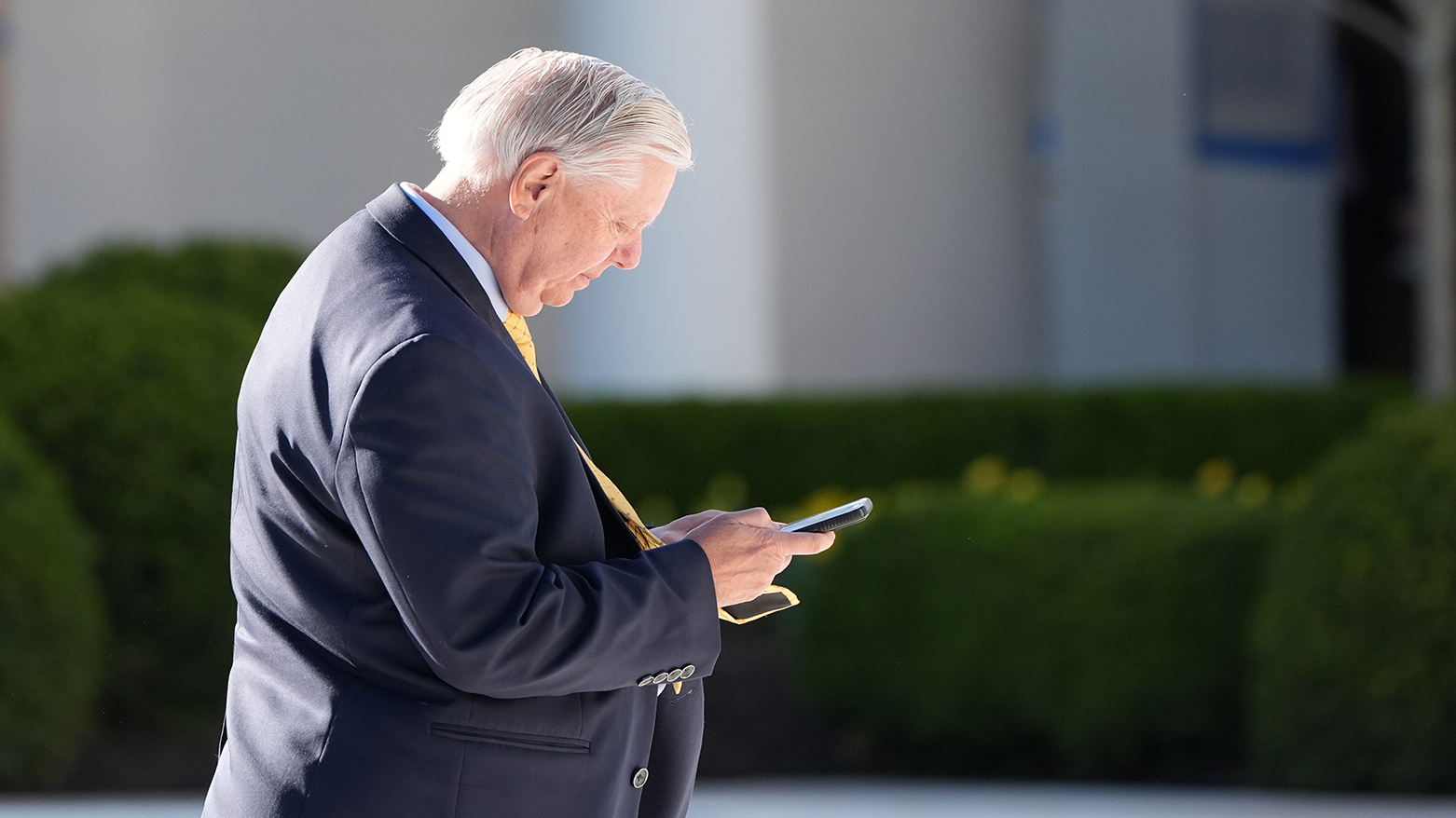
ERBIL (Kurdistan24) — U.S. Senator Lindsey Graham on Monday expressed support for a diplomatic resolution to the ongoing war with Iran, while warning that military action remains a viable option if negotiations fail to meet Washington’s strategic objectives.
In a statement posted on his official X account, Graham said a negotiated end to the conflict would be the “preferred outcome,” praising the efforts of President Donald Trump and his negotiating team for pursuing what he described as potential “diplomatic breakthroughs.”
He stressed that any agreement must prevent Iran from maintaining its missile capabilities, sponsoring regional militancy, or retaining a pathway to nuclear weapons.
However, Graham struck a sharply critical tone toward Tehran, describing it as a regime that “has cheated at every turn,” and cautioning against trusting its commitments.
He underscored that the outcome of the war—whether diplomatic or military—must ensure that Iran cannot threaten global security or reconstitute its military capabilities.
A central point of concern highlighted by Graham was the strategic importance of the Strait of Hormuz, through which a significant portion of the world’s energy supply passes.
He warned that allowing Iran to exert control over the waterway would enable it to “blackmail the world,” insisting that such a scenario “cannot be allowed to occur.”
Graham also called for the complete elimination of Iran’s highly enriched uranium stockpiles, arguing that even minimal quantities could be repurposed into a “dirty bomb” or further enriched for weapons use.
He pointed to the precedent set during the administration of George W. Bush, when Libya’s nuclear infrastructure was dismantled and its enriched uranium removed, suggesting a similar model should be applied to Iran.
Reinforcing his support for a hardline stance, Graham said Trump is justified in demanding that any agreement align with U.S. military and strategic goals. He added that if Iran refuses to comply, the United States would be right to target critical infrastructure to prevent Tehran from reestablishing its previous capabilities.
Graham concluded by expressing optimism that a decisive outcome—achieved either through diplomacy or force—could reshape the regional order, describing the current moment as a potential “gateway to peace” in the Middle East if U.S. objectives are fully realized.