Spain to Reopen Embassy in Iran Amid Ceasefire, as Madrid-Washington Rift Deepens
The move comes after a truce while tensions persist between Pedro Sanchez and Donald Trump over the Iran war and NATO bases
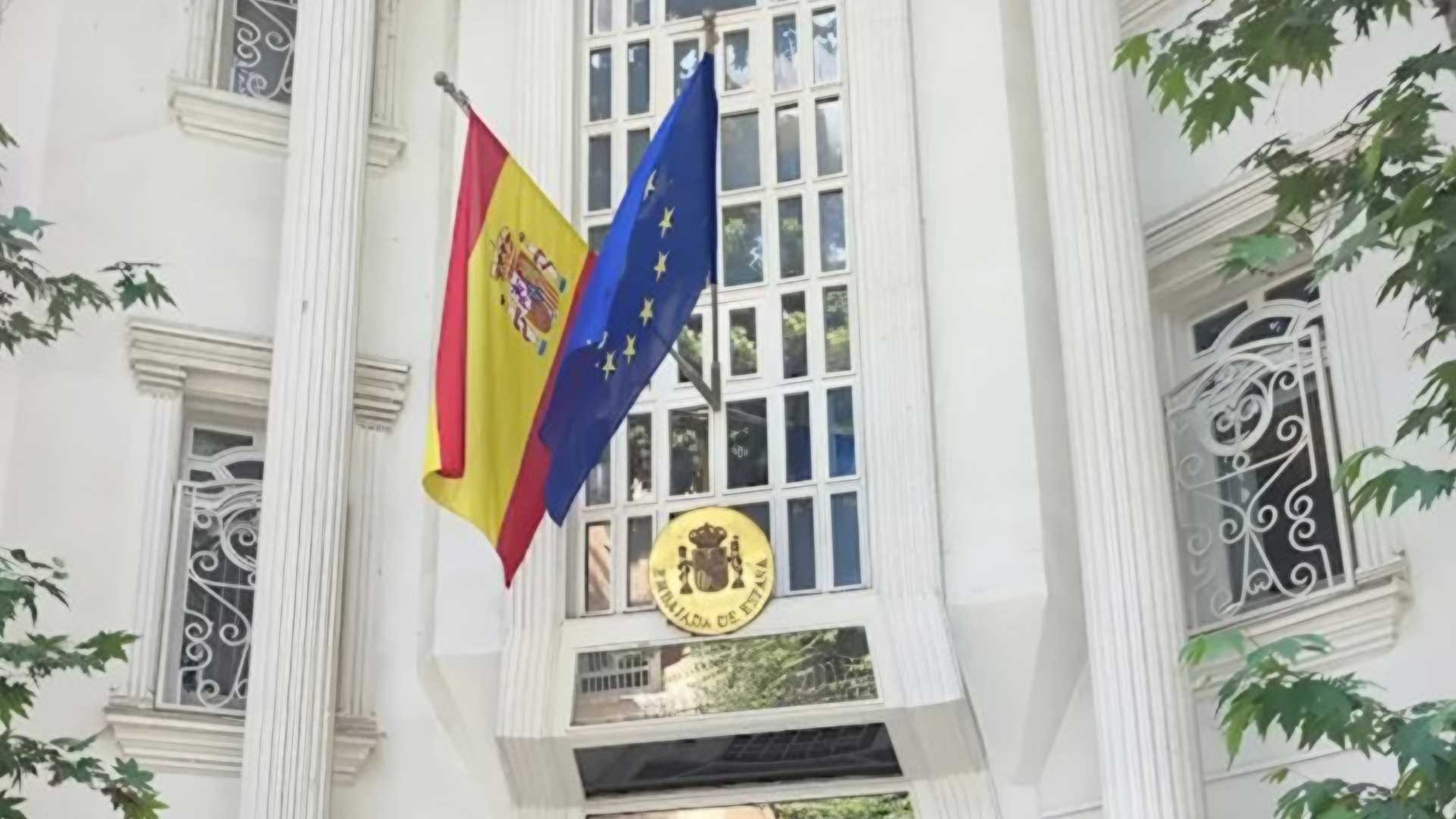
ERBIL (Kurdistan24) — Spain will reopen its embassy in Iran following the recent ceasefire between the United States, Israel, and Iran, Foreign Minister Jose Manuel Albares announced Thursday, signaling Madrid’s intent to re-engage diplomatically after weeks of conflict.
“I have given instructions to our ambassador in Tehran to return, to resume his post and reopen the Spanish embassy in Tehran,” Albares told reporters in Madrid, adding that Spain aims to contribute “through all the means available” to ongoing peace efforts from within Iran.
The embassy had been closed in March as the war escalated, part of a broader diplomatic drawdown across the region as tensions surged following U.S.-Israeli strikes on Iranian targets.
Spain’s move comes as a fragile ceasefire takes hold, with Washington and Tehran entering a tentative diplomatic phase aimed at preventing further regional escalation.
European powers have increasingly pushed for de-escalation, seeking to stabilize energy markets and contain the broader geopolitical fallout.
However, Madrid’s position on the conflict has placed it at odds with Washington. The government of Pedro Sanchez has been one of the most outspoken critics in Europe of the U.S.-led military campaign, describing the strikes on Iran as “unjustifiable” and warning they risk triggering a wider regional war.
Spain notably refused to allow U.S. forces to use jointly operated military bases on its territory for operations against Iran and later closed its airspace to American military aircraft involved in the conflict.
Spanish officials have insisted that any such use would require a clear mandate under international law, a position that has remained unchanged despite pressure from Washington.
The dispute escalated into a broader diplomatic rift, with Donald Trump threatening economic retaliation, including potential trade restrictions, while accusing NATO allies of failing to support the United States during the war.
The standoff has exposed deep divisions within NATO, as several European countries resisted direct involvement in the conflict.
Spanish officials, including Albares, have defended the country’s stance as consistent with international law and multilateral principles, emphasizing that Spain would not be “complicit” in military actions it considers destabilizing.
The disagreement has become one of the most visible fractures in transatlantic relations during the Iran crisis. Despite these tensions, Spain’s decision to reopen its embassy reflects a parallel diplomatic track focused on engagement and conflict resolution.
By restoring its presence in Tehran, Madrid is positioning itself as a potential interlocutor in ongoing negotiations, even as broader geopolitical rivalries between the United States and its European allies remain unresolved.