Hezbollah Lawmaker Rejects Lebanon-Israel Direct Talks as Constitutional Breach
Hezbollah lawmaker Hassan Fadlallah rejected Lebanon-Israel direct talks, calling them unconstitutional and warning they could deepen internal divisions amid ongoing conflict.
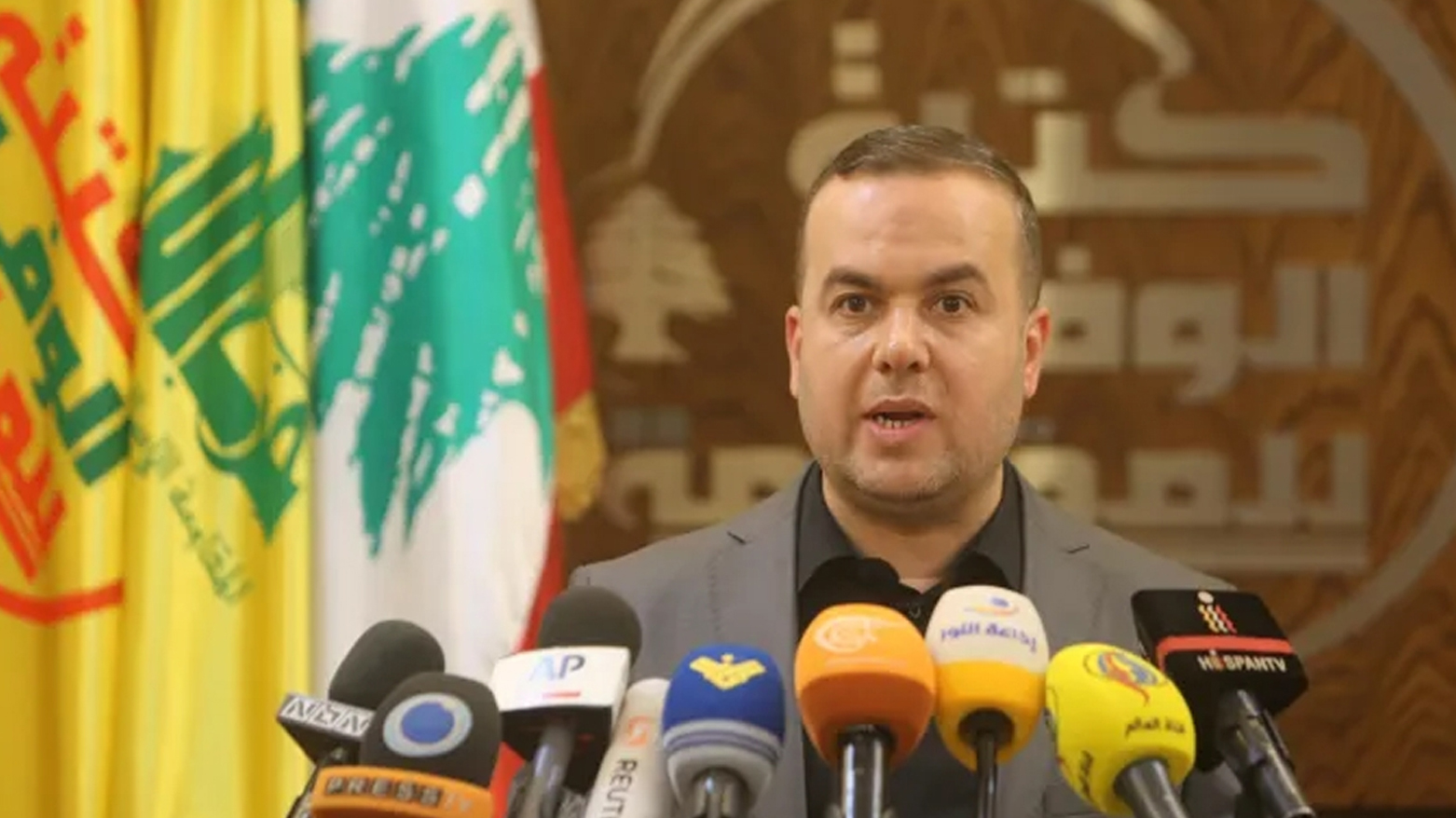
ERBIL (Kurdistan24) - A senior Hezbollah lawmaker has sharply rejected plans for direct negotiations between Lebanon and Israel, warning that such a move would constitute a clear violation of the country’s constitution and threaten internal unity at a critical moment.
Hassan Fadlallah, a member of Lebanon’s parliament representing Hezbollah, stated that his party opposes any direct talks between Lebanon and Israel. His remarks came after Lebanese President Joseph Aoun announced that he would travel to Washington this week to engage in negotiations with Israel.
In an official statement, Fadlallah described the step as “a clear violation of the national pact, the constitution, and the laws of Lebanon,” adding that it represents interference in determining the country’s fate and future.
He further warned that proceeding with such negotiations could lead to internal divisions at a time when Lebanon is in urgent need of unity and cohesion. He stressed that national solidarity remains essential to confront Israeli attacks and preserve civil peace and coexistence within the country.
According to a statement from the office of President Joseph Aoun, a telephone call took place on Friday between the Lebanese and Israeli ambassadors in Washington and the US ambassador in Lebanon.
The statement added that during the call, an agreement was reached to hold the first meeting next Tuesday at the US Department of State to discuss the ceasefire announcement and set a time for the start of negotiations between Lebanon and Israel under US supervision.
President Aoun has repeatedly expressed readiness for direct negotiations with Israel since Lebanon was drawn into the broader Middle East conflict. The escalation began after Hezbollah launched rockets toward Israel on March 2, triggering Israeli air and ground operations targeting southern Lebanon and Beirut.
As Lebanon moves toward potential direct engagement with Israel, internal political tensions are intensifying, with Hezbollah’s rejection highlighting deep divisions over the البلاد’s path forward amid ongoing regional conflict.