Iraq Secures ‘Understandings’ to Bypass Hormuz Blockade, Safeguard Oil Exports
“There are understandings with the American and Iranian sides to circumvent the blockade imposed on the Strait of Hormuz,” Bazoun told INA.
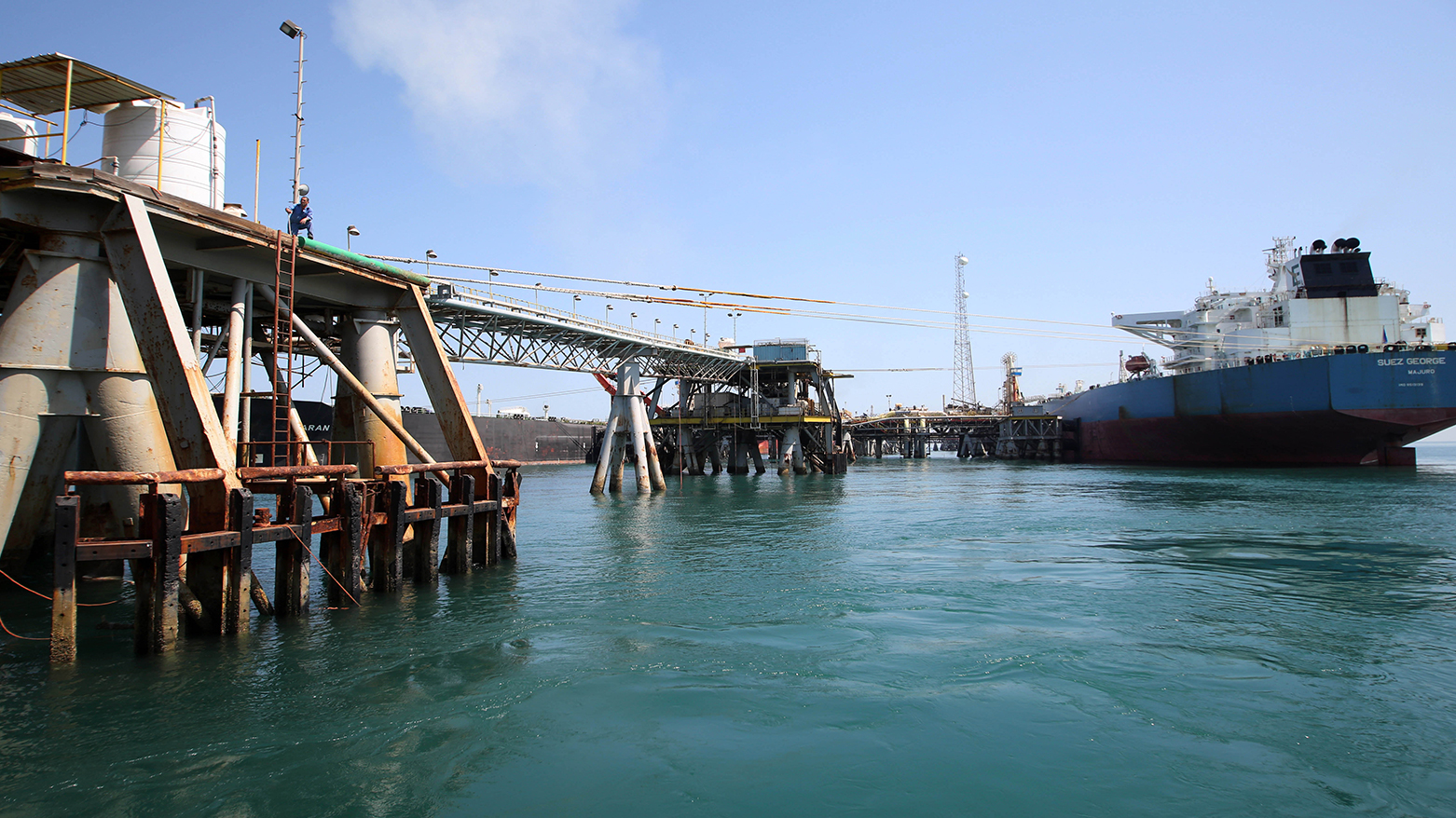
ERBIL (Kurdistan24) — Iraq said Tuesday that it had reached “understandings” with both the United States and Iran to mitigate the impact of disruptions in the Strait of Hormuz, as it moves to safeguard its vital oil exports amid escalating regional tensions, AFP reported.
The Iraqi Oil Ministry did not provide details on the nature or timing of these arrangements, but spokesperson Saheb Bazoun told the Iraqi News Agency (INA) they were aimed at ensuring the continuity of exports despite mounting restrictions on one of the world’s most critical maritime corridors.
“There are understandings with the American and Iranian sides to circumvent the blockade imposed on the Strait of Hormuz, and with all parties to guarantee exports,” Bazoun told INA.
The move comes as Iraq, a founding member of OPEC, faces growing pressure from a worsening crisis in the Gulf. The country typically relies on the strait for the majority of its crude shipments, leaving it particularly exposed to disruptions.
Earlier this month, Iran signaled it would allow Iraqi vessels to transit the waterway—even before a fragile ceasefire with Washington was reached—offering Baghdad a limited reprieve as tensions escalated.
Still, Iraqi authorities have accelerated efforts to diversify export routes. Bazoun said Iraq continues to rely on alternative channels, including a pipeline to the Turkish port of Ceyhan, extended through the Kurdistan Region, and shipments via Syria’s Baniyas port.
Using these alternative routes, Baghdad has resumed exports of around 250,000 barrels per day through the Kurdistan Region’s pipeline to Ceyhan and begun transporting unspecified volumes of crude by tanker trucks through Syrian territory.
The broader crisis stems from the ongoing US-Iran confrontation, which has severely disrupted maritime traffic in the Gulf, with vessel movements through the Strait of Hormuz dropping sharply amid military escalation, mine threats, and competing restrictions that have left hundreds of ships stranded and global energy flows under sustained pressure.
Iran’s tightening control over the strait—through which roughly one-fifth of global oil and gas supplies pass—has slowed shipping and reportedly introduced transit fees, while the United States has imposed a blockade on Iranian ports following failed negotiations in Pakistan.
Despite a two-week ceasefire between Washington and Tehran, the dual pressures of military escalation and economic measures have sent shockwaves through global energy markets.
For Iraq, the stakes are particularly high. Oil exports account for nearly 90 percent of government revenues, and the disruption has already had a severe fiscal impact, with revenues plunging by more than 70 percent in March compared to the previous month.
As Baghdad navigates between competing powers and logistical constraints, its ability to sustain exports through alternative routes and diplomatic arrangements will be critical to maintaining economic stability in the face of an increasingly volatile regional landscape.