Trump: Israel and Lebanon Leaders to Hold Talks Thursday for the First Time in 34 Years
Trump announced on April 16 that Israeli and Lebanese leaders would speak Thursday for the first time in 34 years, following a productive Washington meeting between their ambassadors in which all sides agreed to launch direct negotiations.
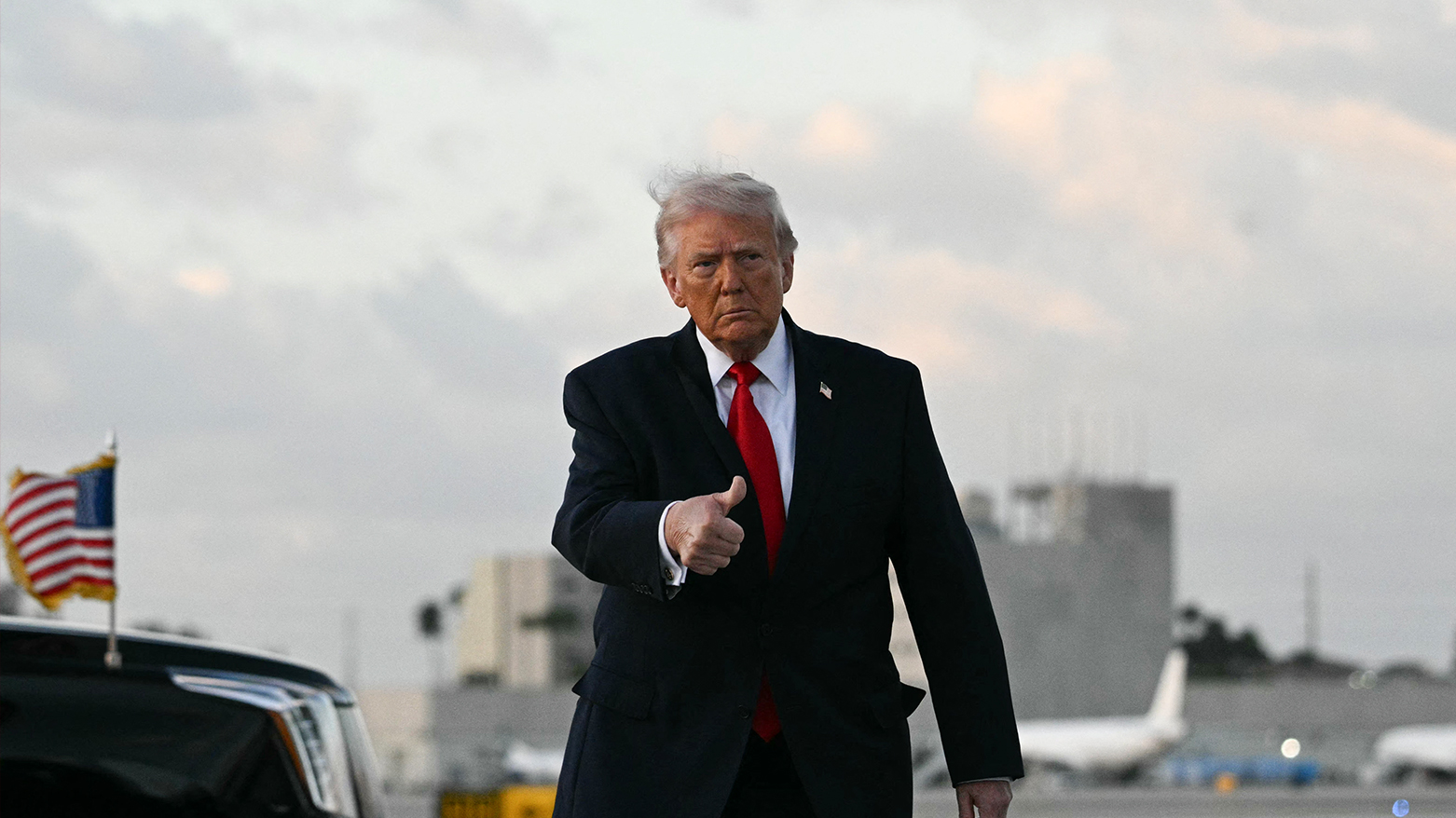
ERBIL (Kurdistan24) - Thirty-four years of silence between two neighboring countries may come to an end US President Donald Trump announced on Truth Social that Israel and Lebanon are set to hold talks on Thursday, describing the moment with characteristic brevity: "It has been a long time since the two leaders have spoken, like 34 years. It will happen tomorrow. Nice."
Earlier today, Trump framed the development as an effort to create "a little breathing room" between the two countries, whose relationship has been defined for decades by conflict, proxy war, and the absence of any direct diplomatic contact.
Washington meeting sets the stage
The announcement builds on a productive meeting held at the US State Department earlier this week, in which the Lebanese and Israeli ambassadors to Washington met under US auspices. State Department spokesperson Tommy Pigott confirmed that the discussions had been productive and that all sides agreed to launch direct negotiations at a mutually agreed time and venue.
Lebanon's ambassador, Nada Hamadeh Moawad, described the discussions as "constructive" and called for a ceasefire, urging the return of displaced people and stressing the importance of full Lebanese state sovereignty over all its territory.
Israeli Ambassador Yechiel Leiter praised the exchange, calling it a "wonderful" discussion that lasted more than two hours. He said both countries had found common ground and were, in his words, "on the same side" — aligned in the goal of freeing Lebanon from what he described as Hezbollah's Iranian-backed influence.
Thursday's contact between Israeli and Lebanese leaders would mark the most significant direct diplomatic engagement between the two countries in more than three decades — a development that, if it holds, could reshape the trajectory of the broader regional crisis.