North Korea Tests Cluster Munitions in Latest Short-Range Ballistic Missile Launch
North Korea fired short-range ballistic missiles to test cluster-munition warheads, state media Korean Central News Agency reported, in a drill overseen by Kim Jong Un. The launch signals a shift toward high-density strike capabilities, raising tensions with South Korea and the U.S.
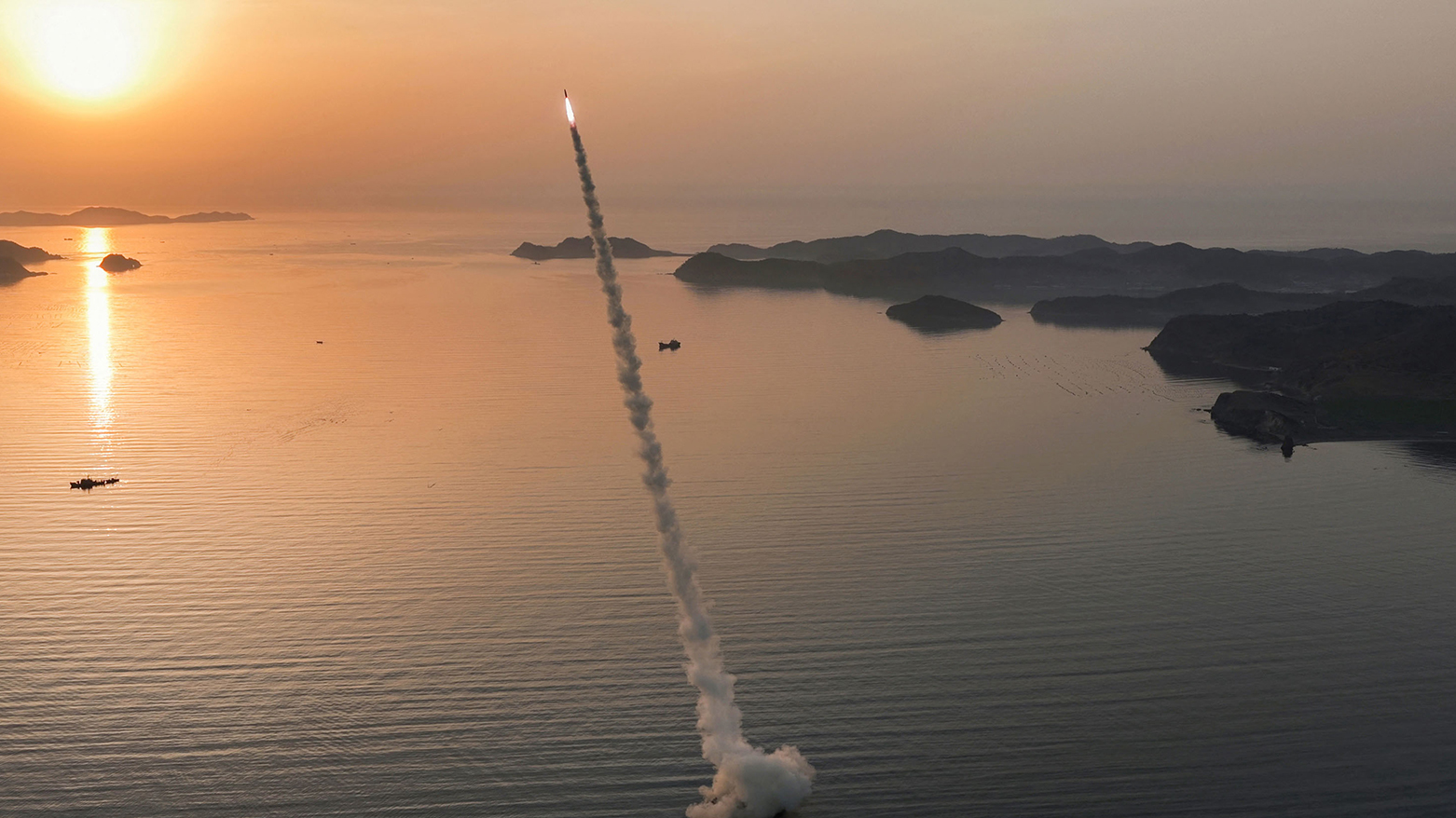
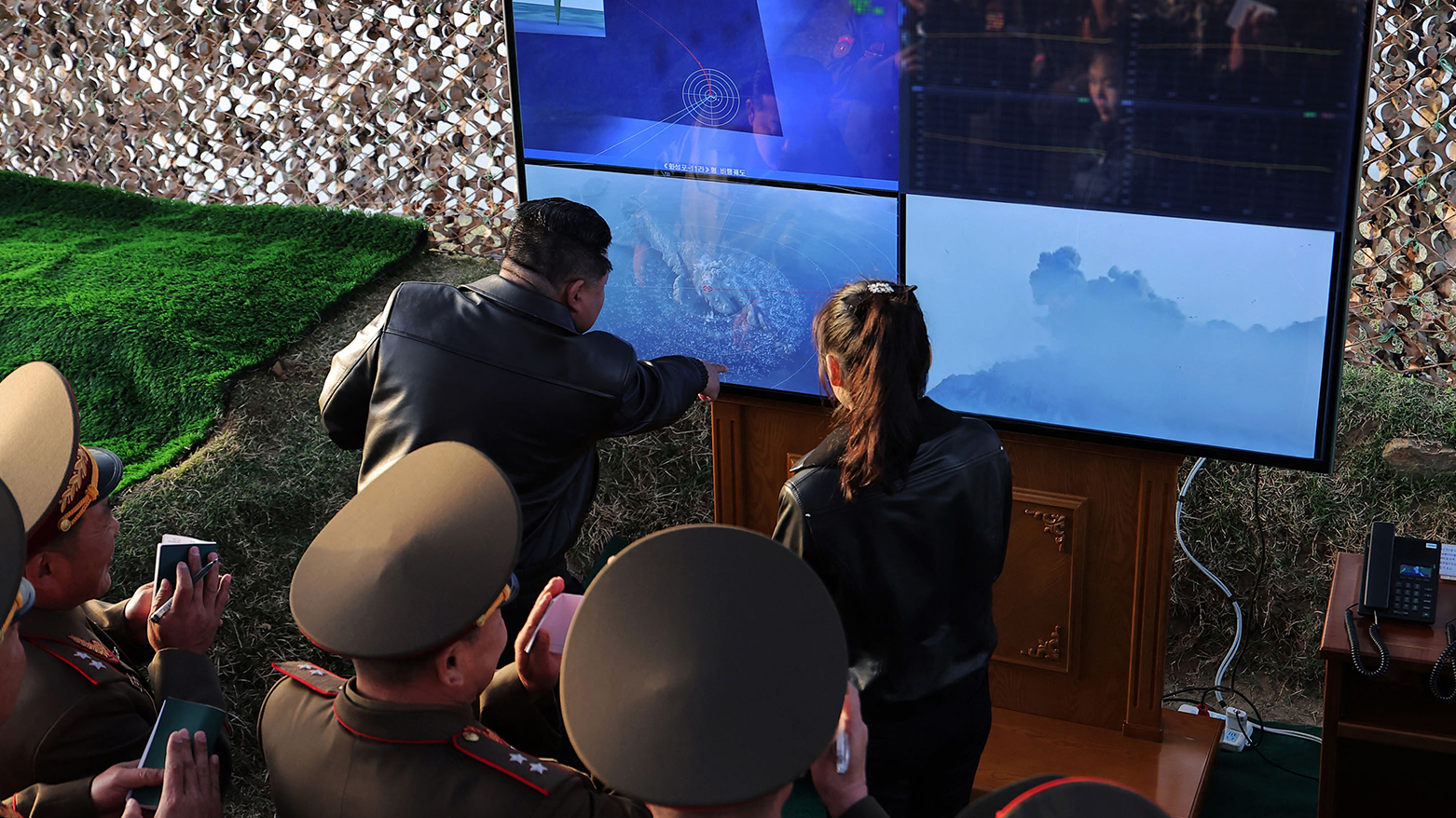
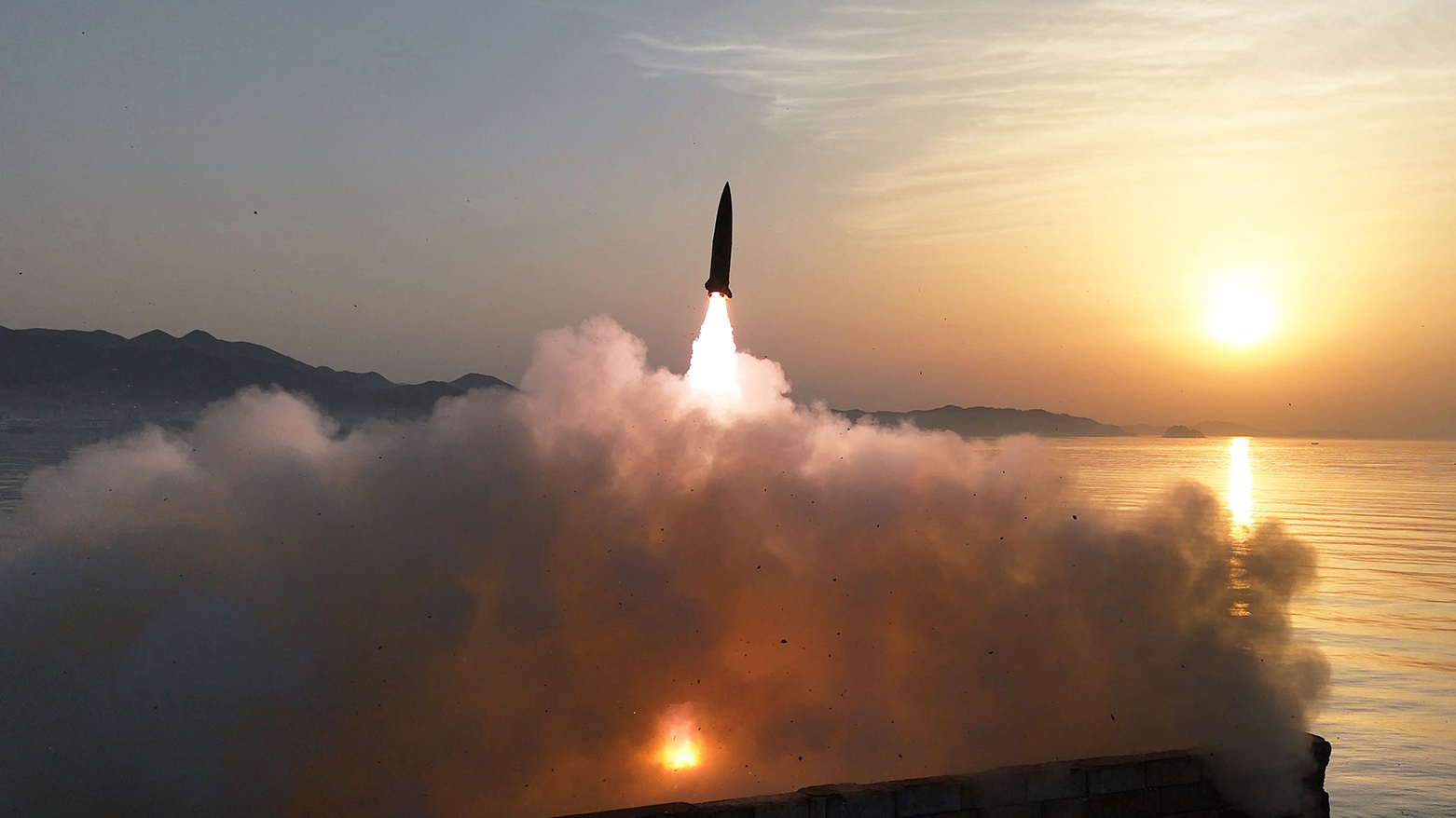
ERBIL (Kurdistan24) - North Korea fired multiple short-range ballistic missiles on Sunday to test the deployment of cluster munitions, state media reported on Monday. The launch, supervised by leader Kim Jong Un, marks a verifiable escalation in Pyongyang’s tactical strike capabilities aimed at regional targets.
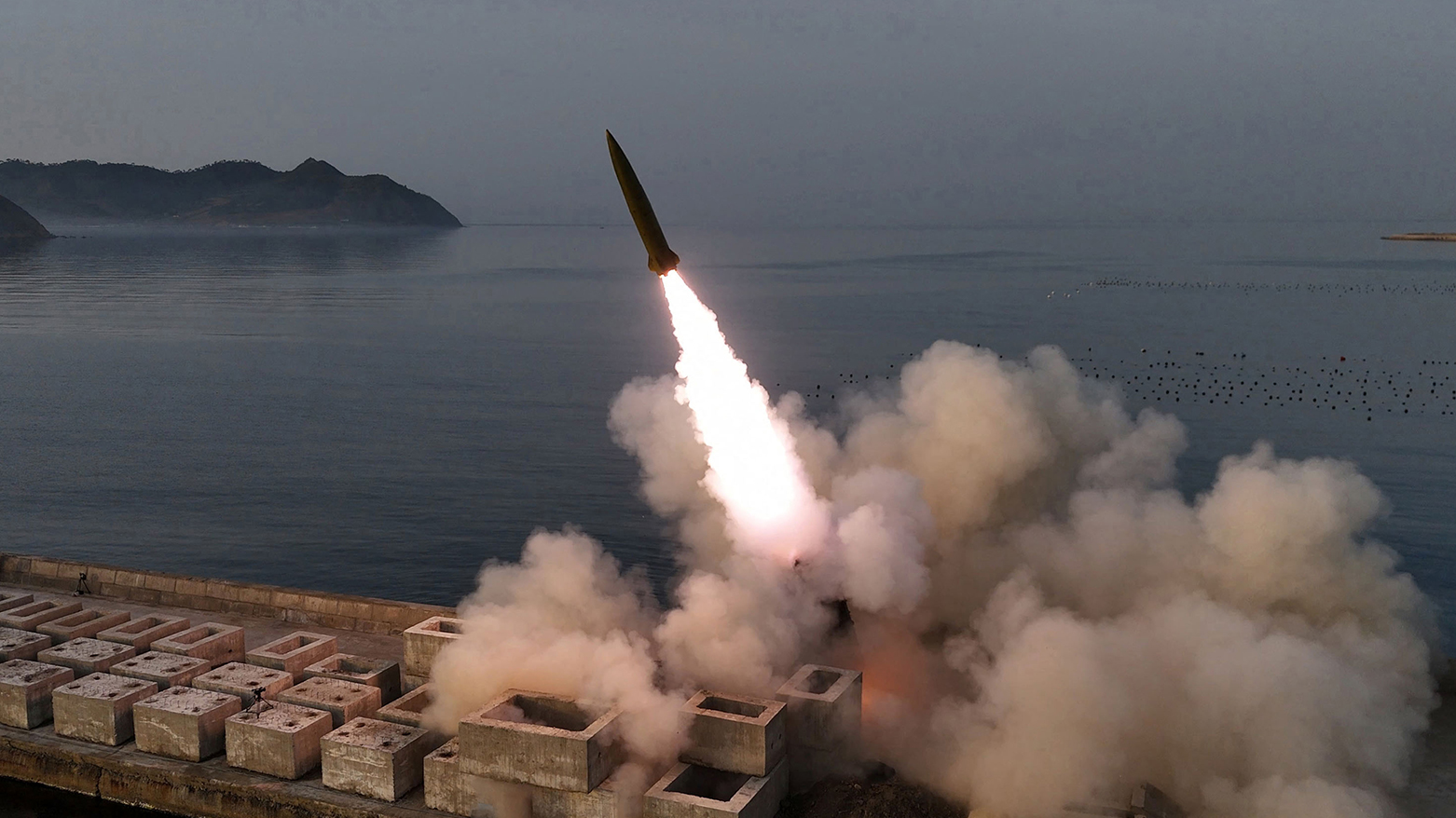
The Korean Central News Agency (KCNA) stated that the maneuver utilized the Hwasongpho-11 Ra surface-to-surface tactical ballistic missile.
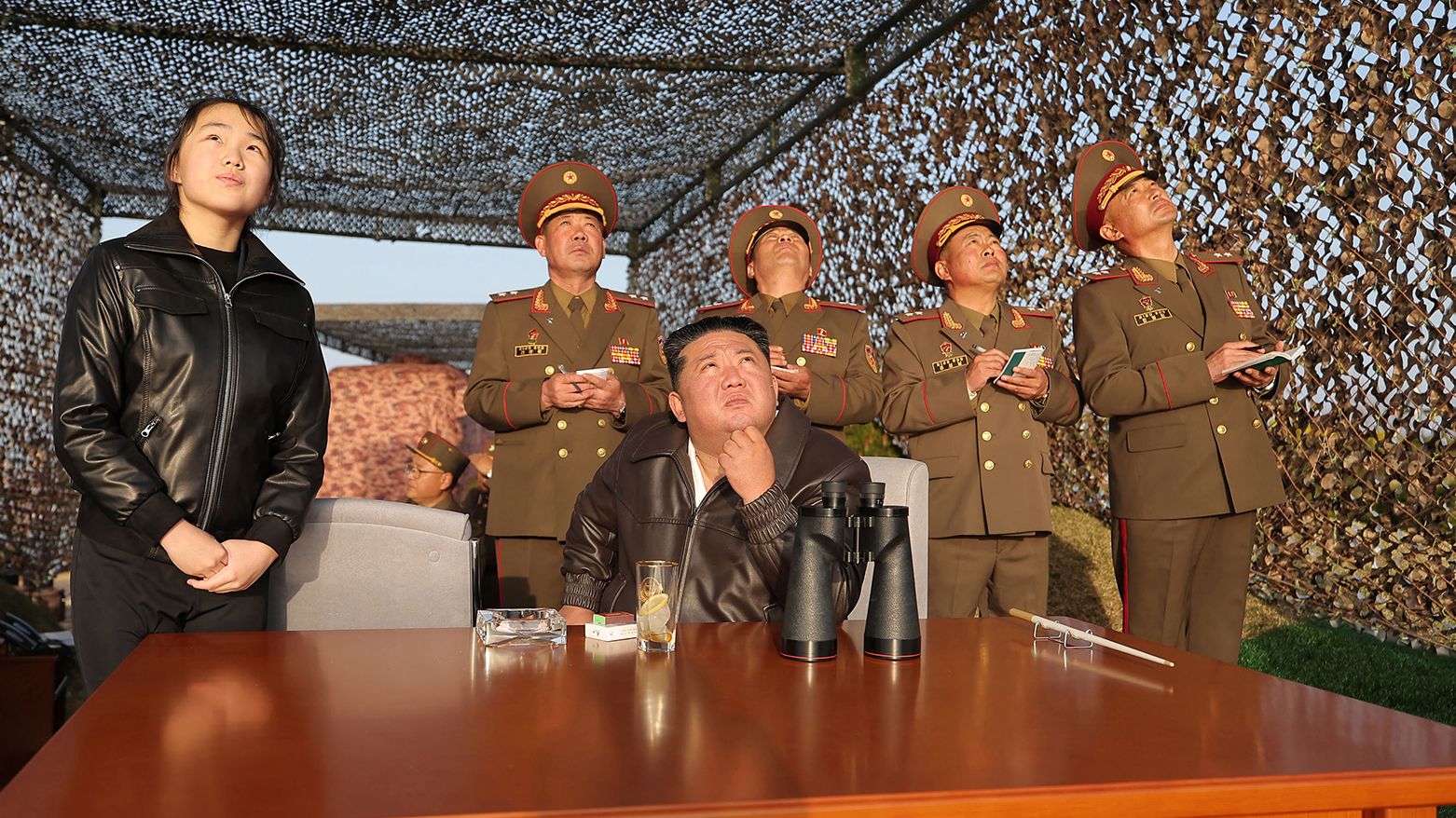
According to the state-run agency, the military fired five projectiles from the eastern Sinpo area toward an island target approximately 136 kilometers (85 miles) away.
The munitions reportedly struck a targeted zone of 12.5 to 13 hectares with "very high density," an operation designed to verify the fragmentation capabilities of the specialized warheads. South Korea's military confirmed the detection of the launches on Sunday.
The integration of cluster munitions into North Korea’s short-range ballistic missile arsenal signifies a structural shift in its military posture on the Korean Peninsula.
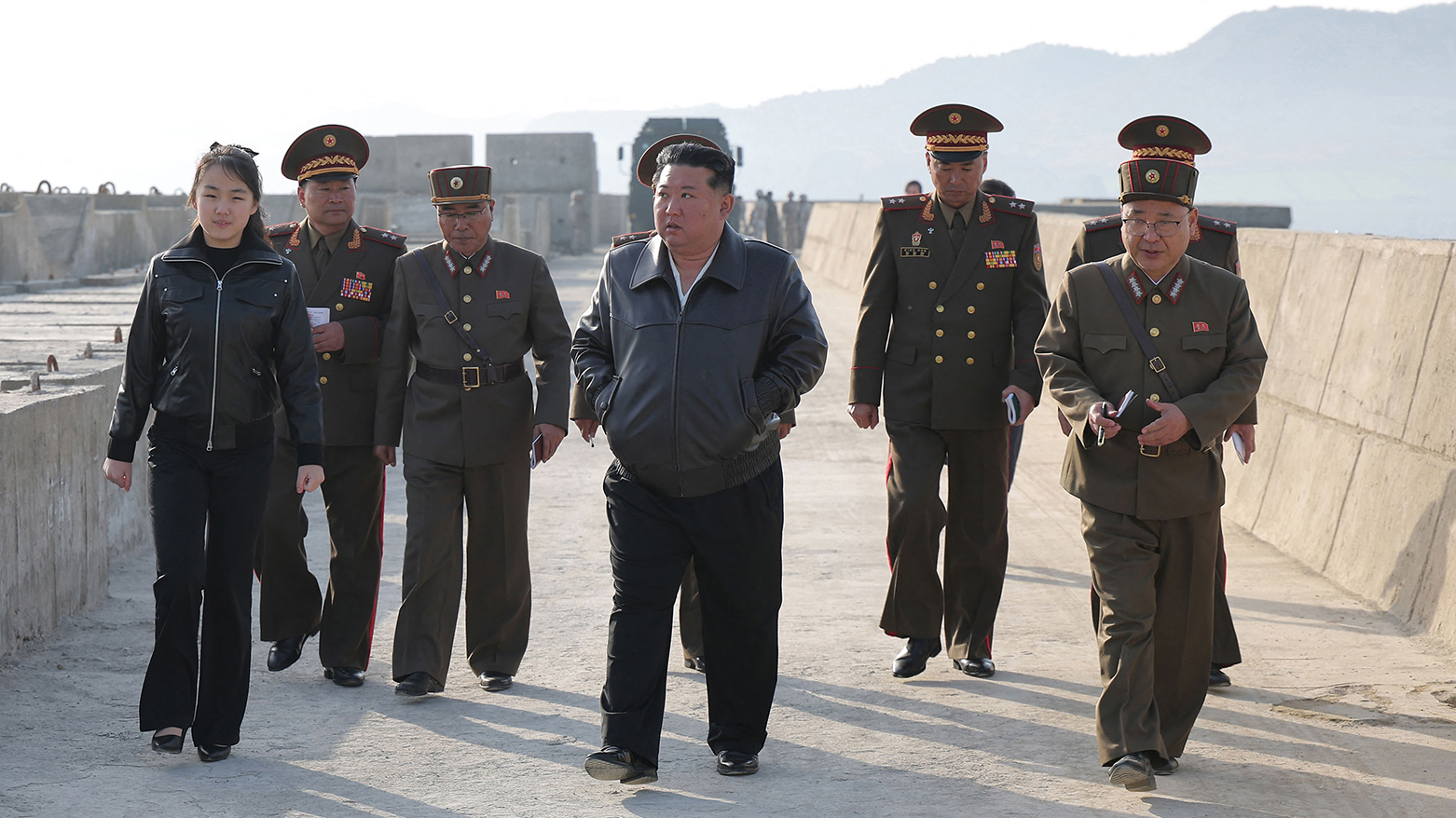
By developing weapon systems explicitly designed to saturate specific geographic zones rather than target singular points, Pyongyang is enhancing its ability to threaten dispersed South Korean military formations and forward-deployed infrastructure.
This development complicates the regional security architecture, demonstrating North Korea's ongoing circumvention of United Nations sanctions that prohibit its use of ballistic missile technology, and underscores the persistent volatility of inter-Korean security dynamics.
Cluster munitions function by opening in mid-air and dispersing dozens or hundreds of smaller explosive submunitions over a broad area.
While they are prohibited by the 2008 Convention on Cluster Munitions due to their wide-area impact, neither North Korea nor South Korea is a signatory to the international treaty.
Furthermore, North Korea’s missile programs operate in defiance of multiple UN Security Council resolutions aimed at curbing its weapons development.
South Korea's defense ministry swiftly condemned the Sunday launches, urging Pyongyang to cease its "provocations" and engage in regional peace-building efforts.
In a formal statement, Seoul reaffirmed its "firm combined defense posture" with the United States—which currently stations approximately 28,000 troops in South Korea—and warned of an overwhelming response to any military aggression.
Conversely, KCNA reported that Kim Jong Un expressed "great satisfaction" with the test results, asserting that the new warheads boost the military's high-density and high-precision striking capabilities.
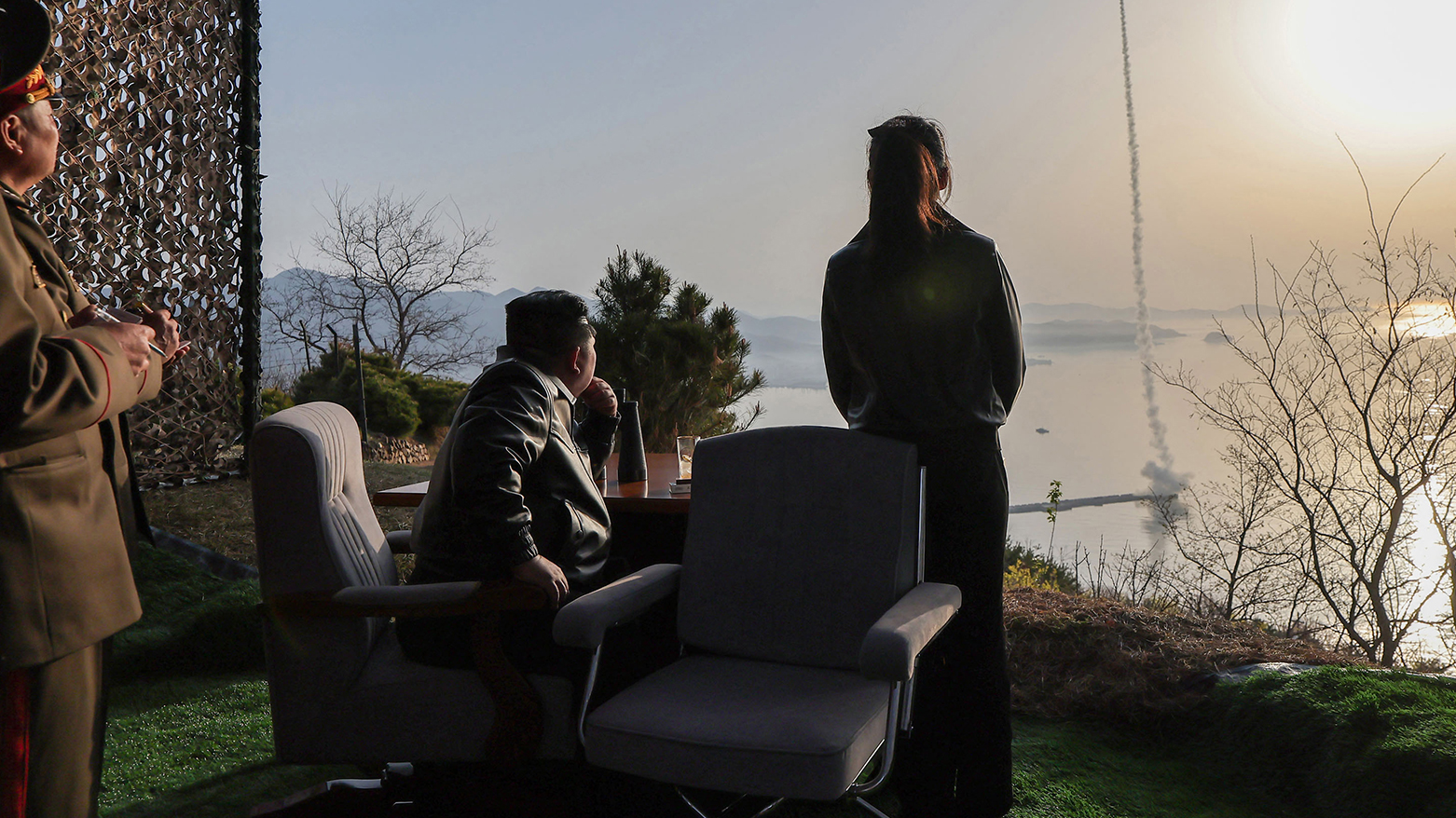
The technical parameters of the test provide specific indicators regarding North Korea's operational objectives.
Hong Min, a senior research fellow at the Korea Institute for National Unification, assessed that the 136-kilometer range demonstrated in the test would place the South Korean capital, Seoul, and key U.S. military installations within direct striking distance from positions near the heavily fortified Demilitarized Zone.
Furthermore, the attendance of frontline corps commanders at the launch—rather than solely weapons researchers, as seen in previous developmental tests—suggests the system is nearing operational deployment.
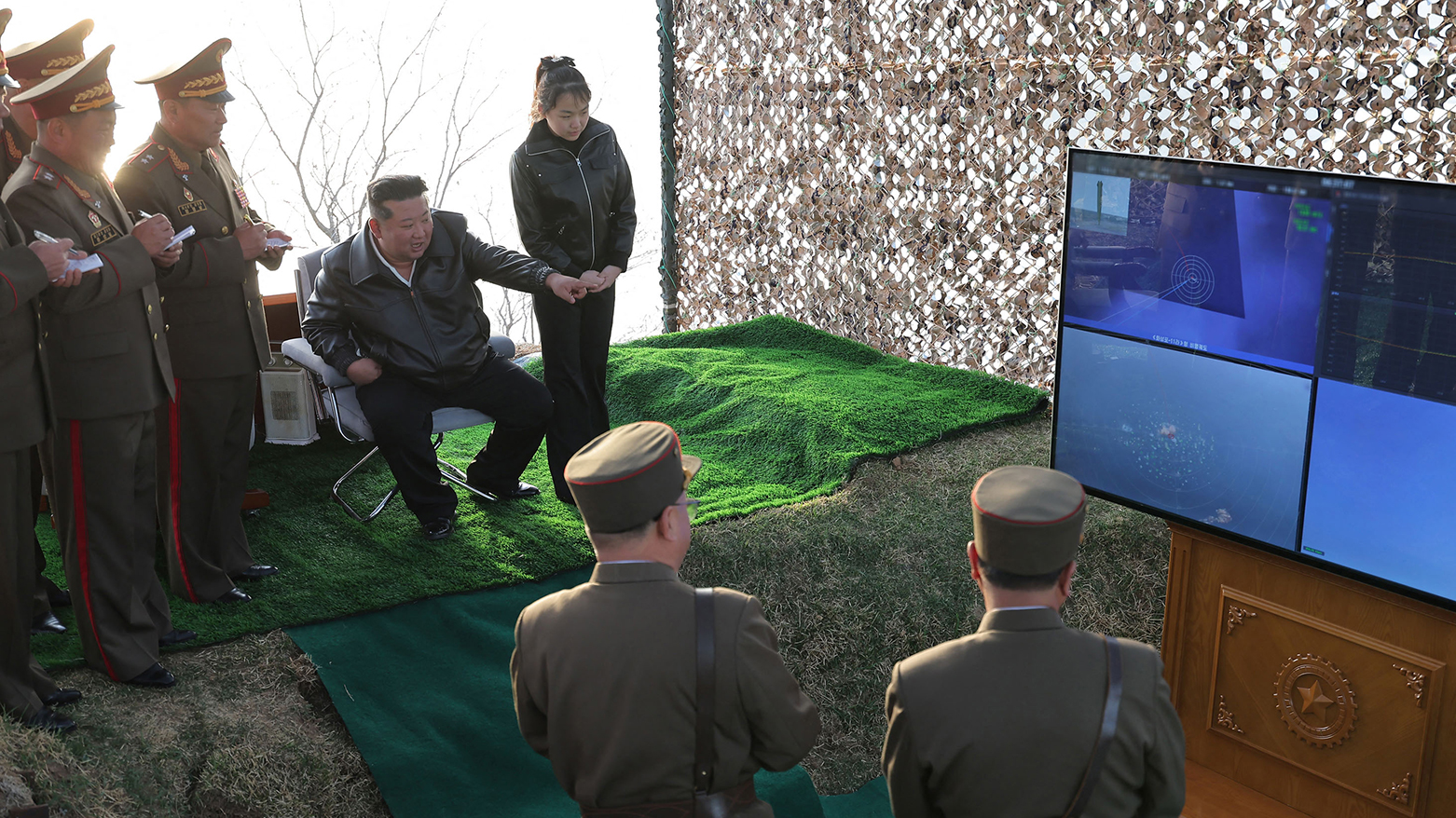
Yang Moo-jin, a professor at Seoul's University of North Korean Studies, noted this procedural shift indicates an intent to integrate the system into active combat readiness for forward-positioned units arrayed against South Korean and U.S. bases.
These missile tests occur against a backdrop of hardened diplomatic channels and expanding external military partnerships.
Inter-Korean relations remain severely strained following a series of incidents earlier this year, including an expression of regret from Seoul over South Korean civilian drone incursions into North Korea in January.
Despite initial diplomatic gestures from Seoul to de-escalate, Pyongyang has reverted to formally designating South Korea as its primary hostile state.
Simultaneously, North Korea is advancing its naval capabilities, recently launching strategic cruise missiles from the Choe Hyon, one of its two new 5,000-tonne destroyers.
South Korean intelligence assessments, citing satellite imagery, indicate Pyongyang is currently constructing two additional destroyers of the same class.
Regional analysts and intelligence officials assess that North Korea is accelerating its military modernization through technological assistance from Russia, reportedly in exchange for supplying ground troops and artillery to support Moscow's military operations in Ukraine.
The dual advancement of naval assets and tactical ballistic systems reflects a comprehensive institutional effort by Pyongyang to diversify its conventional and asymmetric strike options.
By developing mid-tier weapon systems—such as cluster-munition ballistic missiles that bridge the operational gap between multiple rocket launchers and longer-range missiles—North Korea is systematically complicating the missile defense calculus for the U.S.-South Korea alliance.
This diversification is designed to establish a credible tactical deterrent that operates beneath the threshold of strategic nuclear exchange.
As North Korea moves to deploy these newly tested systems to frontline units, the tactical balance along the border remains precarious. The international community faces ongoing structural challenges in enforcing existing sanctions frameworks amid shifting geopolitical alliances, particularly Pyongyang's deepening defense cooperation with Moscow.
With inter-Korean dialogue suspended and military modernization accelerating, the Korean Peninsula faces an extended period of institutional uncertainty and entrenched security dilemmas.