US Intercepts Suspected Oil Tanker in Indian Ocean
According to the US War Department, forces carried out a “right-of-visit, maritime interdiction and boarding” of the stateless, sanctioned tanker M/T Tifani without incident in the area overseen by United States Indo-Pacific Command (INDOPACOM).
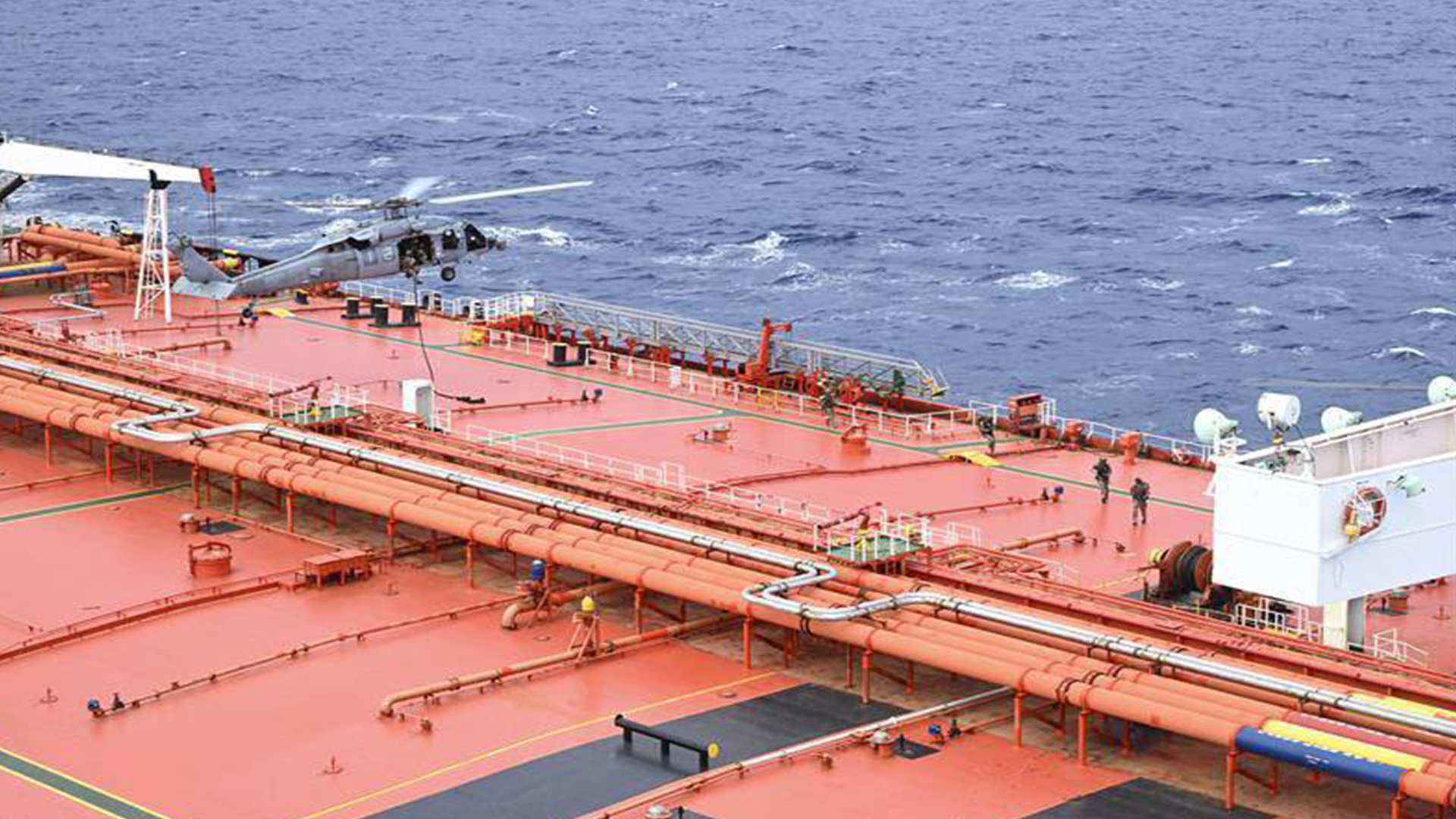
ERBIL (Kurdistan24) – The United States military has intercepted and boarded a vessel suspected of supporting Iranian oil networks, the Pentagon said on Tuesday, in a move underscoring Washington’s efforts to enforce sanctions amid heightened regional tensions.
According to the US War Department, forces carried out a “right-of-visit, maritime interdiction and boarding” of the stateless, sanctioned tanker M/T Tifani without incident in the area overseen by United States Indo-Pacific Command (INDOPACOM). The operation took place overnight, though officials did not disclose the precise location.
INDOPACOM’s jurisdiction spans vast maritime zones across the Pacific and Indian Oceans. Maritime intelligence firms indicate that the vessel was intercepted in the Indian Ocean, with tracking data placing it roughly midway between Sri Lanka and the Strait of Malacca at the time its signal was last recorded.
The tanker, identified as Botswana-flagged, is believed to be linked to Iranian oil shipments. According to energy intelligence firm Kpler, the vessel loaded approximately two million barrels of crude oil from Kharg Island earlier this month and transited through the Strait of Hormuz before heading toward Singapore.
US officials reiterated that “international waters are not a refuge for sanctioned vessels,” emphasizing Washington’s commitment to disrupting illicit networks tied to Iran. Footage released by the Pentagon showed helicopters hovering over a large tanker during the operation.
The Tifani has reportedly conducted multiple ship-to-ship oil transfers in waters near Singapore and Malaysia, a tactic commonly associated with efforts to obscure the origin of sanctioned oil shipments.
The interception comes as U.S. President Donald Trump has pledged to maintain a maritime blockade on Iran until a broader agreement is reached to end the ongoing conflict. However, enforcement challenges persist. Maritime analytics firm Lloyd’s List Intelligence reported that at least 26 vessels from Iran’s so-called “ghost fleet” have evaded the blockade since its implementation last week.
Uncertainty also remains over the future of diplomatic efforts, with doubts lingering about whether a second round of talks between Washington and Tehran will take place in Islamabad.
The latest interdiction highlights the growing maritime dimension of the standoff, as the United States intensifies efforts to curb Iran’s oil exports and restrict its economic lifelines.
Overnight, U.S. forces conducted a right-of-visit, maritime interdiction and boarding of the stateless sanctioned M/T Tifani without incident in the INDOPACOM area of responsibility.⁰⁰As we have made clear, we will pursue global maritime enforcement efforts to disrupt illicit… pic.twitter.com/EGwDe3dBI3
— Department of War 🇺🇸 (@DeptofWar) April 21, 2026