Iran Conditions Strait of Hormuz Reopening on End of U.S. Naval Blockade
Iranian parliament speaker Mohammad Bagher Ghalibaf said a ceasefire “only has meaning if it is not violated through a naval blockade,” adding that reopening the strategic waterway “is not possible amid a blatant violation of the ceasefire.”
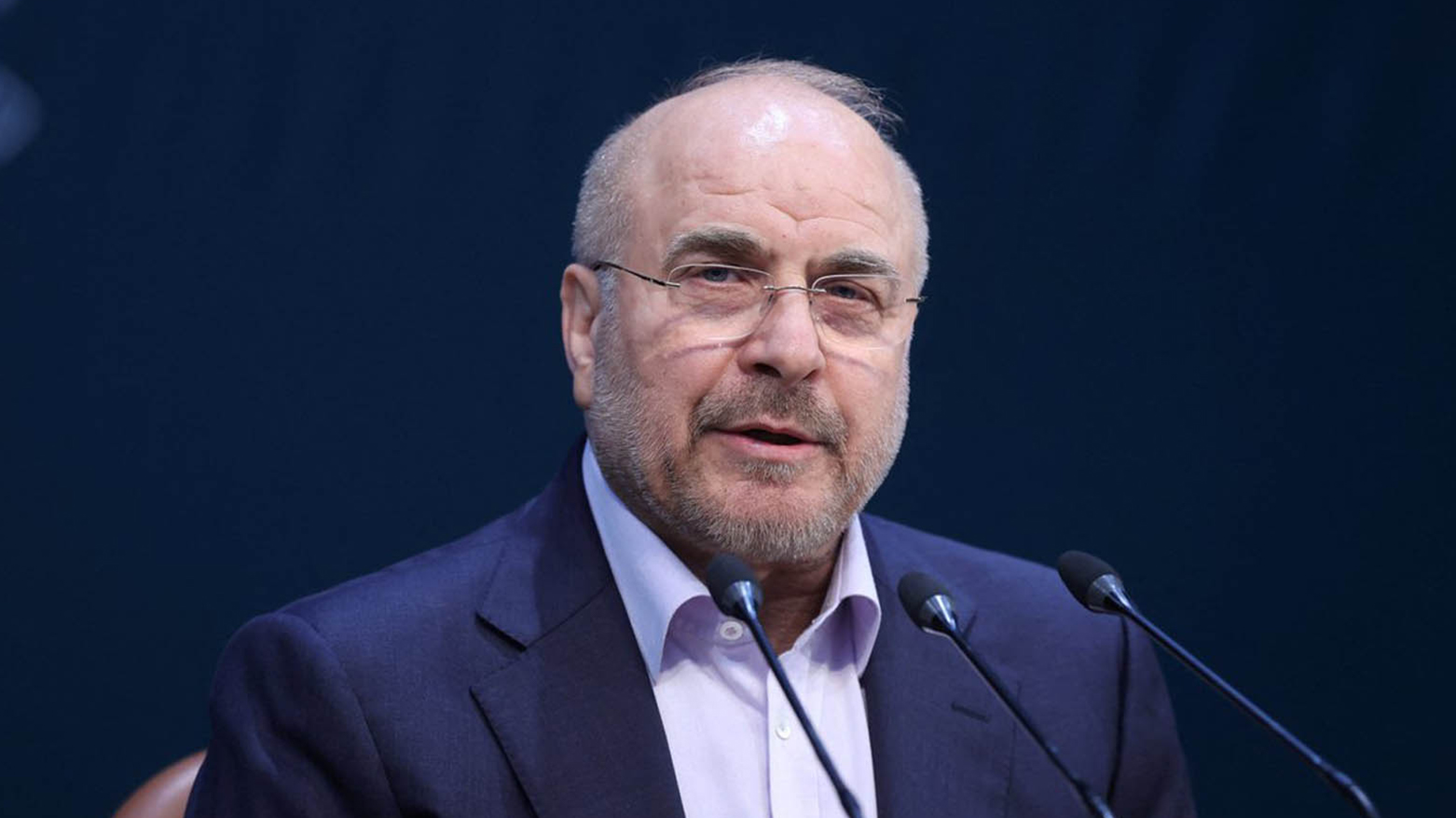
ERBIL (Kurdistan24) – Iran has said it will not consider reopening the Strait of Hormuz while a U.S. naval blockade remains in place, framing the situation as a violation of the current ceasefire agreement, as diplomatic activity continues around the wider conflict.
In remarks posted on X on Wednesday, Iranian parliament speaker Mohammad Bagher Ghalibaf said a ceasefire “only has meaning if it is not violated through a naval blockade,” adding that reopening the strategic waterway “is not possible amid a blatant violation of the ceasefire.”
His comments come as Tehran continues to respond cautiously to shifting diplomatic signals, including a U.S. decision to extend a fragile ceasefire following mediation efforts by Pakistan.
Iranian Foreign Ministry spokesperson Esmaeil Baqaei earlier expressed appreciation for Pakistan’s role in facilitating dialogue and attempting to reduce tensions in the region. He said Iran values Islamabad’s efforts to “end the imposed war and establish peace,” while stressing that Tehran is taking "the necessary measures to safeguard national interests and security,” according to state broadcaster IRIB.
The diplomatic exchanges follow U.S. President Donald Trump’s announcement that the ceasefire with Iran would be extended to allow for further negotiations, after a request from Pakistani mediators. Trump also said the pause in hostilities would continue until Tehran submits a proposal aimed at resolving the conflict, while confirming that U.S. naval forces would maintain a blockade on Iranian ports.
The ceasefire, which originally began on April 8 and was set to expire this week, has faced uncertainty amid differing accounts of its timeline from the involved parties. While the extension has provided temporary relief from direct escalation, ongoing military measures and the absence of a clear agreement continue to leave the situation delicate as diplomatic efforts proceed.