Kurdish Theater Troupe Dedicates New Play to Kirkuk Tragedy Victims
The Hawar Theater Group stages its new production outside the city's cultural center — the exact site of the accident — inviting the public to bring candles and flowers in a night of remembrance
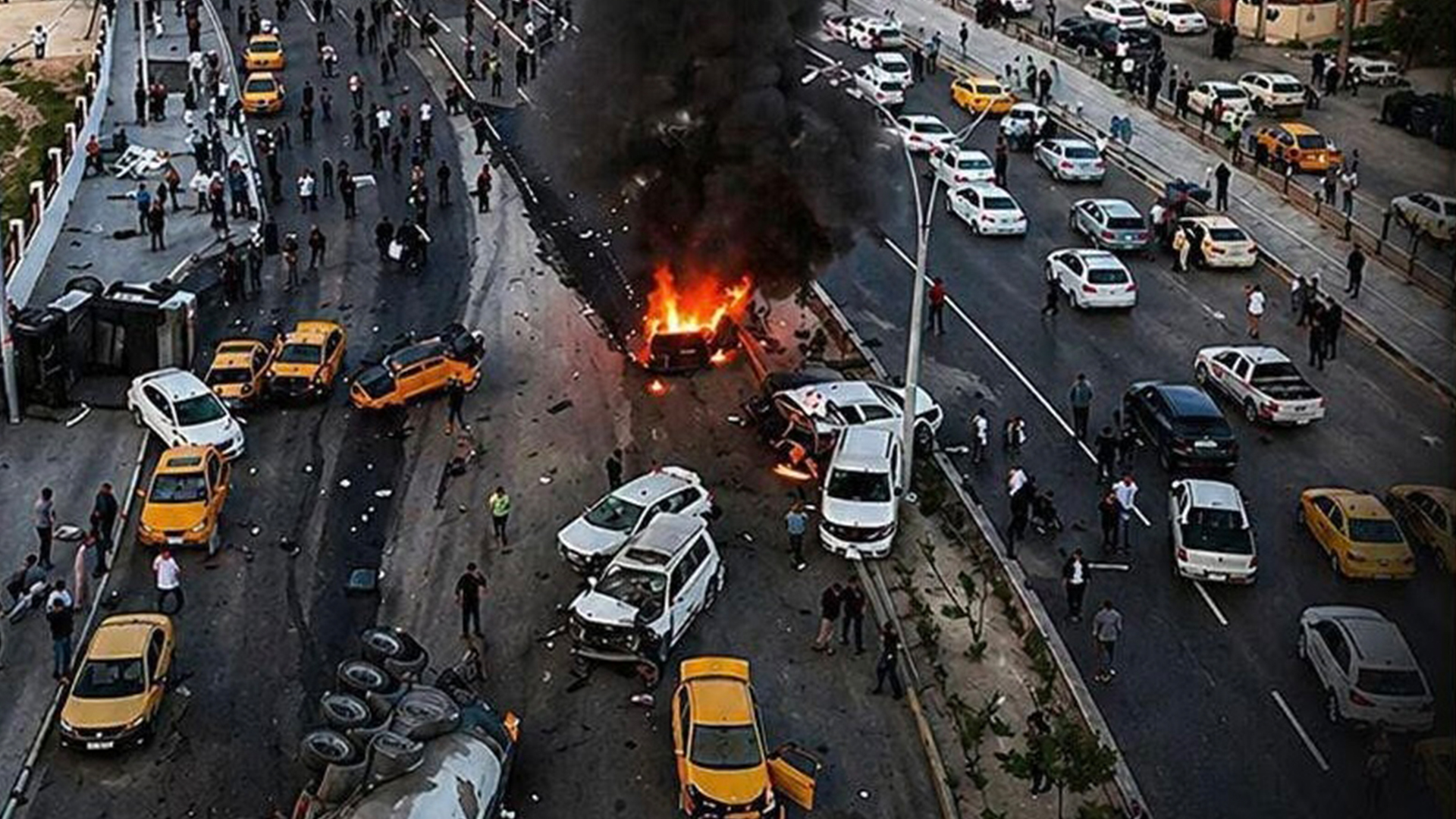
ERBIL (Kurdistan24) - There will be no conventional stage tonight. No curtain, no theater hall, no separation between the performers and the wound they have come to mark. When the Hawar Theater Group presents its new production, "Asphalt," in Kirkuk on Tuesday, it will do so at the precise location where a major traffic accident recently claimed the lives of a number of residents and left several others injured — in front of the gates of the city's cultural center.
The choice of venue is the point.
Nejad Najm, director of the production, told Kurdistan24 that the performance is not simply a theatrical presentation but an act of solidarity with the city's grief. "We as the Hawar Theater Group have always stood, from an artistic standpoint, alongside the real lives of people," he said. "This performance is not only a theatrical presentation — it is compassion for both the sorrows and the joys of society."
Najm was direct about the purpose the production is meant to serve. "Asphalt" has been specifically dedicated to the souls of the victims of Kirkuk's devastating tragedy. "This presentation is not for pleasure," he said. "It is for remembrance and for paying respect to the spirits of those who have been lost."
The production carries a symbolic invitation at its core. The audience is being asked to participate not as passive spectators but as mourners — to bring candles for light and remembrance, and to bring flowers as a gesture of respect and peace for the departed. The decision to perform at the site of the accident rather than inside a conventional theater space was made deliberately, Najm said, to keep the act of remembrance close to the tragedy itself.
"Art runs from the site of life and pain," he said, "not only from theater halls."
The accident in Kirkuk caused significant loss and left a visible mark on the city and its residents. The decision by the Hawar Theater Group to respond with a public performance — staged in the street, at the scene, on the same ground where lives were lost — reflects a tradition in Kurdish cultural life of turning grief into collective expression, and of insisting that art has a responsibility to stand where suffering has been.