KRG Highlights Labor Reforms Under PM Masrour Barzani's Cabinet
KRG says labor reforms under PM Masrour Barzani's cabinet have expanded jobs, strengthened protections, and modernized the labor market using data-driven initiatives
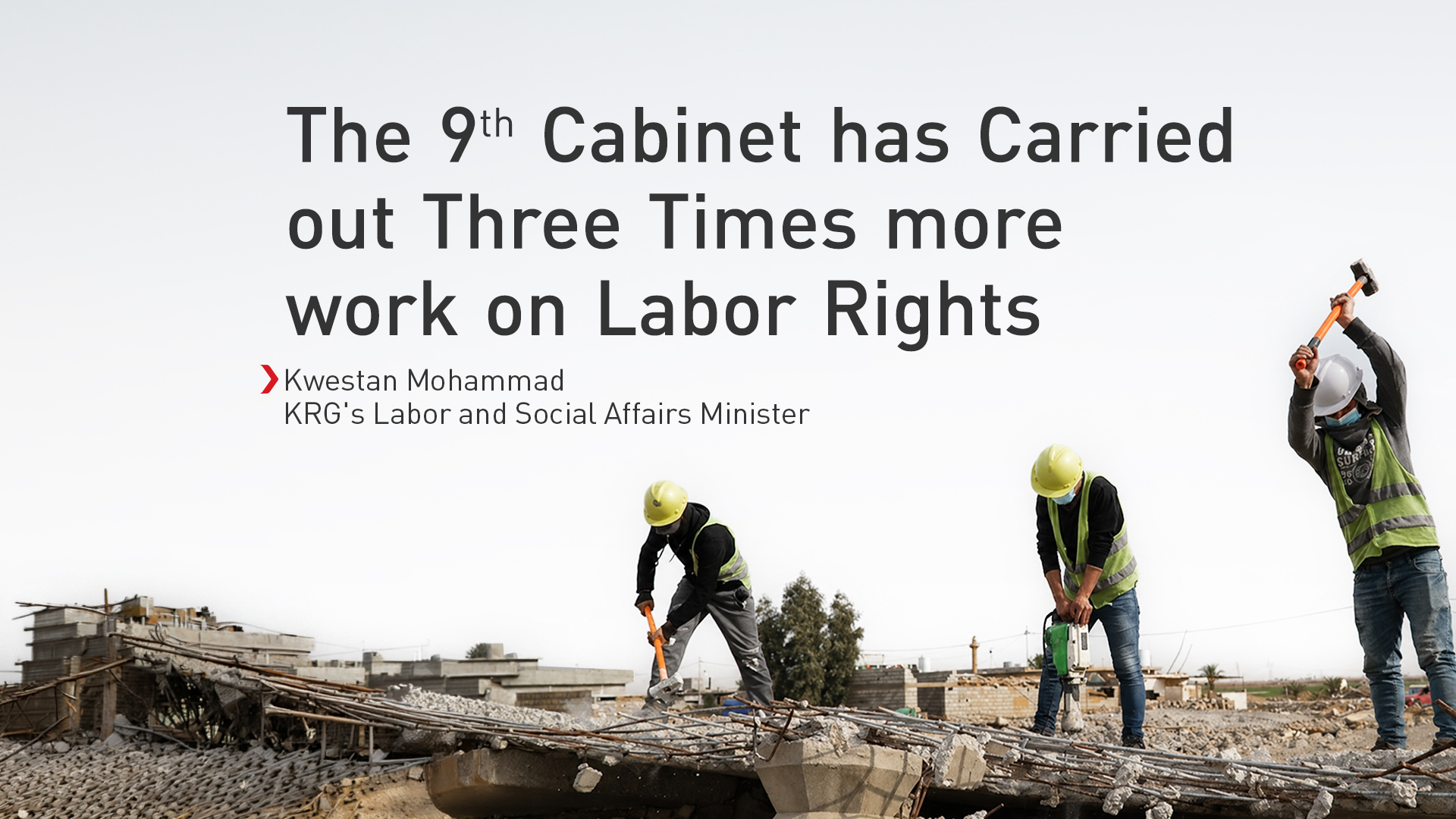
ERBIL (Kurdistan 24) - The Kurdistan Regional Government has emphasized that labor reforms under Prime Minister Masrour Barzani’s ninth cabinet have significantly strengthened worker protections, expanded employment opportunities, and modernized the labor sector through digital and institutional changes.
Speaking on Tuesday's Show of "Basi Roj", Labor and Social Affairs Minister Kwestan Mohammad said Ninth Cabinet has carried out three times more work on labor rights compared to previous cabinets, attributing the progress to a broader reform agenda led by the prime minister.
Government-led employment expansion
According to KRG data and ministry figures, the ninth cabinet has focused on creating structured pathways into employment. Through labor directorates across provinces and independent administrations, thousands of job opportunities have been facilitated for young people, supported by centralized coordination and digital systems.
A key initiative is the government-backed “Kar” employment platform, launched as part of the cabinet’s digital transformation strategy. The platform enables job seekers to register and apply for positions directly, improving transparency and access. Officials say it has helped connect thousands of young applicants to the labor market.
Investment in skills and entrepreneurship
Under Prime Minister Barzani’s economic reform agenda, workforce development has been a central pillar. The government has established four new vocational training centers, expanding access to technical and professional skills.
KRG data indicates that around 30% of trainees have transitioned into business ownership or self-employment, reflecting a growing emphasis on entrepreneurship alongside traditional job placement.
The cabinet has also expanded financial support through the “Gashanawa” (Development) initiative, which targets small and medium enterprises (SMEs). In its first phase:
- Nearly 150 million Iraqi dinars were distributed
- 20 SMEs received funding
The second phase, launched in coordination with the Prime Minister’s Office, is set to:
- Provide long-term loans to 100 additional SMEs
- Support job creation for a larger number of young people
These efforts align with broader KRG economic strategies aimed at diversifying the economy and strengthening the private sector.
Strengthening social protection systems
The ninth cabinet has also intensified enforcement of labor laws and social security regulations. According to the Ministry of Labor:
- More than 1 million workers are active in the Kurdistan Region
- Employers are required to contribute 12% of wages to the social security and pension system
The government has taken a stricter stance on compliance. Officials confirm that:
- Multiple businesses have been penalized or shut down for failing to register workers
- Ministries have been instructed to deny or suspend official services for non-compliant employers
This approach reflects a shift toward formalizing the labor market and ensuring long-term protection for workers.
Prime Minister’s reform framework
The labor reforms are part of a wider policy direction under the strategy of Barzani's cabinet, which prioritizes:
- Digitalization of public services
- Expansion of private sector employment
- Youth empowerment and entrepreneurship
- Institutional strengthening and regulatory enforcement
These measures have been repeatedly highlighted in KRG official platforms and government reporting as key achievements of the ninth cabinet.
The data presented by KRG officials points to a more structured and proactive labor policy under the ninth cabinet, combining job creation, skills development, and enforcement mechanisms.
Government officials say these reforms are laying the foundation for a more resilient labor market, with increased opportunities for youth and stronger protections for workers across the Kurdistan Region.