U.S. Pushes Maritime Coalition to Reopen Hormuz as Iran Talks Stall
Washington seeks allied backing for “freedom of navigation” effort amid prolonged oil disruption and rising geopolitical tensions
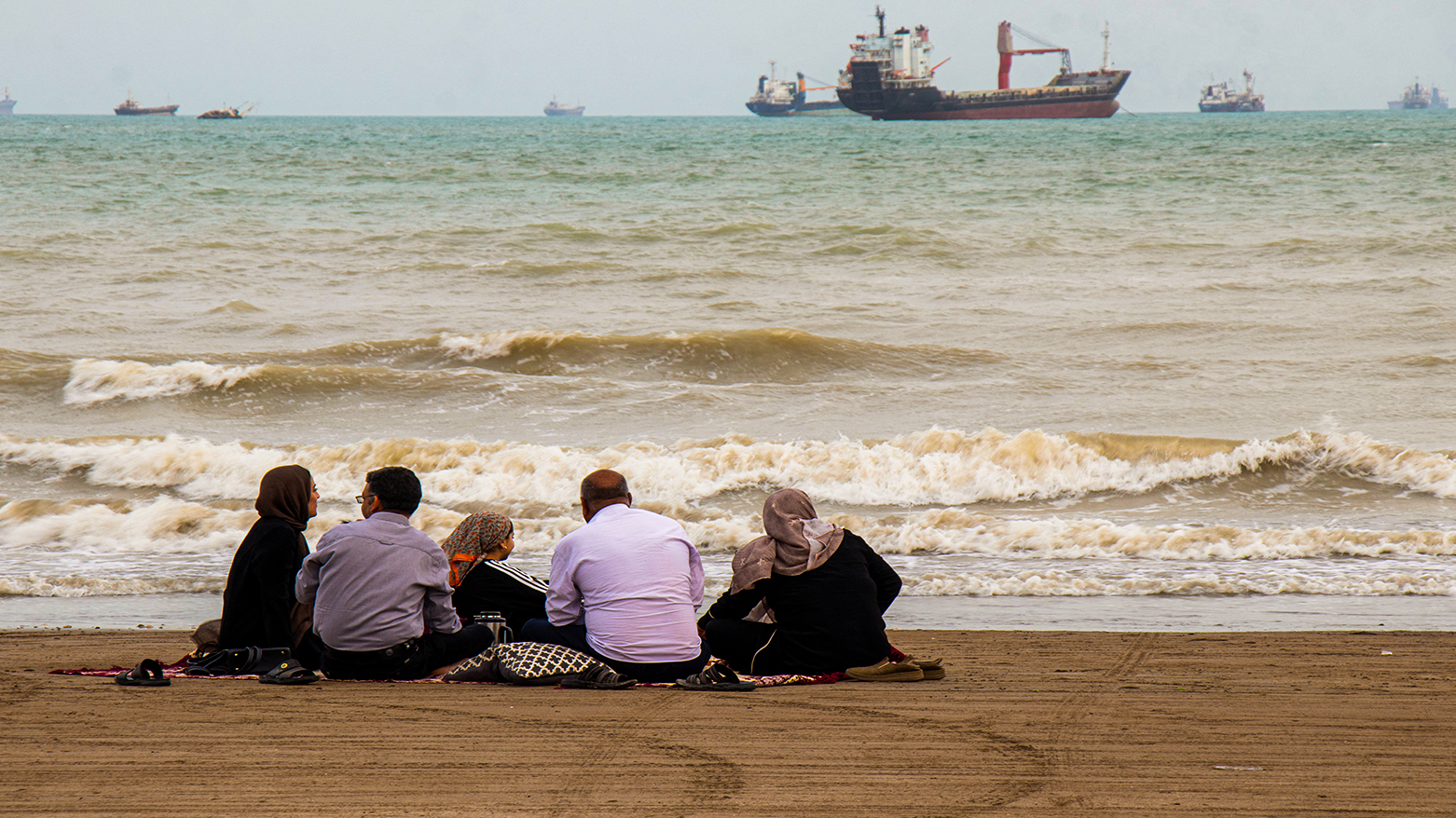
ERBIL (Kurdistan24) — The United States is spearheading a new international initiative to restore commercial shipping through the Strait of Hormuz, as diplomatic efforts with Iran remain deadlocked and global energy markets continue to feel the strain of disrupted oil flows.
According to a report by The Wall Street Journal, published on Thursday, the U.S. State Department circulated an internal cable to embassies worldwide, urging diplomats to rally support for a proposed coalition dubbed the “Maritime Freedom Construct.”
The initiative would bring together partner nations to coordinate diplomatically, share intelligence, and enforce sanctions aimed at countering Iranian interference in the vital shipping lane.
The Strait of Hormuz, a narrow passage connecting the Gulf to global markets, typically carries around one-fifth of the world’s oil supply. Iran has sought to leverage its strategic position following recent hostilities by tightening control over the waterway, contributing to weeks of elevated oil prices and heightened economic uncertainty.
The proposed coalition envisions the State Department acting as a “diplomatic operations hub,” while United States Central Command would provide real-time maritime domain awareness, according to details cited in the report.
The cable reportedly emphasized that “collective action is essential” to restore navigation and impose costs on Iran’s obstruction of transit.
A senior official in the administration of Donald Trump confirmed that the initiative is among several policy options under consideration as Washington seeks to break the impasse.
Trump has increasingly called on allies to take a more active role, stating last month that reopening the strait “should have always been a team effort.”
However, the push comes amid growing friction between Washington and its traditional partners, including the North Atlantic Treaty Organization (NATO), as Trump has publicly criticized allied responses to the conflict and raised the possibility of reevaluating U.S. commitments to the decades-old alliance.
Diplomatic efforts to de-escalate tensions with Tehran have so far failed to yield results. Iranian officials have reportedly floated a conditional offer to ease restrictions on shipping through Hormuz in exchange for Washington lifting its retaliatory blockade measures, though broader negotiations remain stalled.
The emerging U.S.-led initiative underscores the escalating stakes in the Gulf, where the intersection of military confrontation, economic pressure, and strategic waterways continues to shape the trajectory of the conflict and its global repercussions.