Türkiye Inflation Climbs to 32.37% as Regional Conflict Drives Energy and Fuel Price Surge
Türkiye's inflation rose to 32.37% in April, driven by fuel price increases and energy disruptions linked to regional conflict
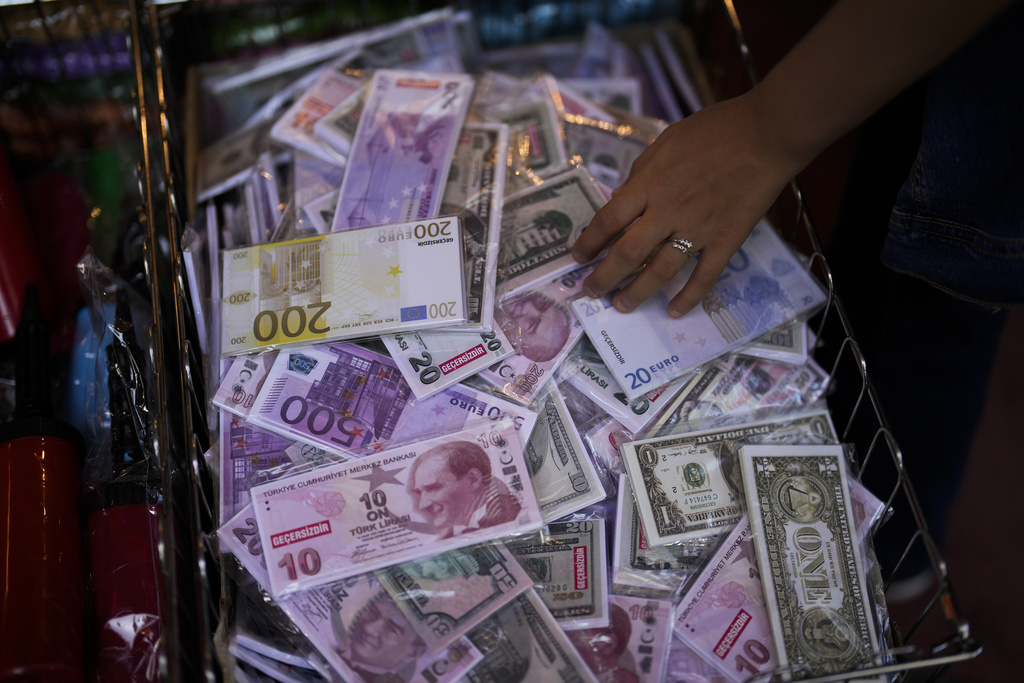
ERBIL (Kurdistan 24) - Türkiye’s annual inflation rate rose to 32.37% in April 2026, up from 30.87% in March, as regional conflict, rising fuel prices, and geopolitical tensions increasingly shape the country’s economic trajectory, according to data released by the Turkish Statistical Institute published in late April.
The latest increase reflects a sharp shift from the relative easing seen in previous months, with external pressures now playing a decisive role. The escalation between the United States and Iran, alongside instability in the Strait of Hormuz, has pushed global oil prices higher, directly impacting fuel costs.
For Türkiye, which relies heavily on imported energy, this has translated into higher gasoline and diesel prices, increasing transportation costs, and raising production expenses across multiple sectors. These rising fuel prices have rapidly fed into consumer inflation, contributing to the sharp monthly increase of 4.18% in April and accelerating price growth across key sectors such as transport and housing.
Beyond the economic data, the inflation surge reflects a deeper political reality. Türkiye is operating within a complex geopolitical environment where its economic stability is closely tied to regional dynamics. As a NATO member with economic and energy links to Iran and the broader region, Ankara faces a delicate balancing act. The ongoing conflict limits its ability to maneuver freely, as aligning too closely with Western pressure risks increasing energy costs, while maintaining deeper regional ties could complicate its relations with the United States and Europe. In this context, inflation becomes not only an economic issue but also a direct consequence of geopolitical positioning.
At the same time, domestic policy choices are amplifying the impact of external shocks. The central bank’s decision to gradually cut interest rates since mid-2025 has supported economic activity but has also weakened the currency, making imports more expensive and increasing vulnerability to global energy price fluctuations. As fuel costs rise, this combination of external pressure and internal policy creates a challenging environment for policymakers, who must now balance controlling inflation with maintaining economic growth.
The broader regional consequences are also becoming more visible. Countries dependent on energy imports are facing similar inflationary pressures, as disruptions in the Strait of Hormuz continue to affect global supply chains and increase costs. For Türkiye, this translates into rising living costs, growing public pressure, and heightened sensitivity around economic management. The situation underscores how regional instability can quickly evolve into domestic economic strain, particularly for economies closely integrated into global energy markets.
Türkiye’s current inflation trend highlights a critical shift, where economic outcomes are increasingly driven by geopolitical developments rather than purely domestic factors. As long as tensions persist in the Gulf and fuel prices remain elevated, inflationary pressures are likely to continue, leaving Turkey navigating a complex intersection of economic vulnerability and strategic decision-making.