Iran Urges UN to Reject U.S. Draft Resolution on Strait of Hormuz
In a statement posted on X, the Iranian mission said “the only viable solution” to the crisis in the strategic waterway is a lasting end to the conflict, the lifting of what it called a maritime blockade, and the restoration of normal shipping passage.
ERBIL (Kurdistan24) – Iran’s mission to the United Nations on Wednesday called for a permanent end to ongoing tensions in the Strait of Hormuz, urging UN member states to reject a U.S.-backed draft resolution it described as politically motivated and ineffective.
In a statement posted on X, the Iranian mission said “the only viable solution” to the crisis in the strategic waterway is a lasting end to the conflict, the lifting of what it called a maritime blockade, and the restoration of normal shipping passage.
The statement accused the United States of promoting a “flawed” draft resolution at the UN Security Council under the pretext of protecting freedom of navigation, arguing that the move seeks to advance Washington’s political agenda and legitimize what Tehran considers unlawful actions.
Iran further called on UN member states to act based on “logic, fairness, and principle,” urging them to reject or refrain from supporting the proposed resolution.
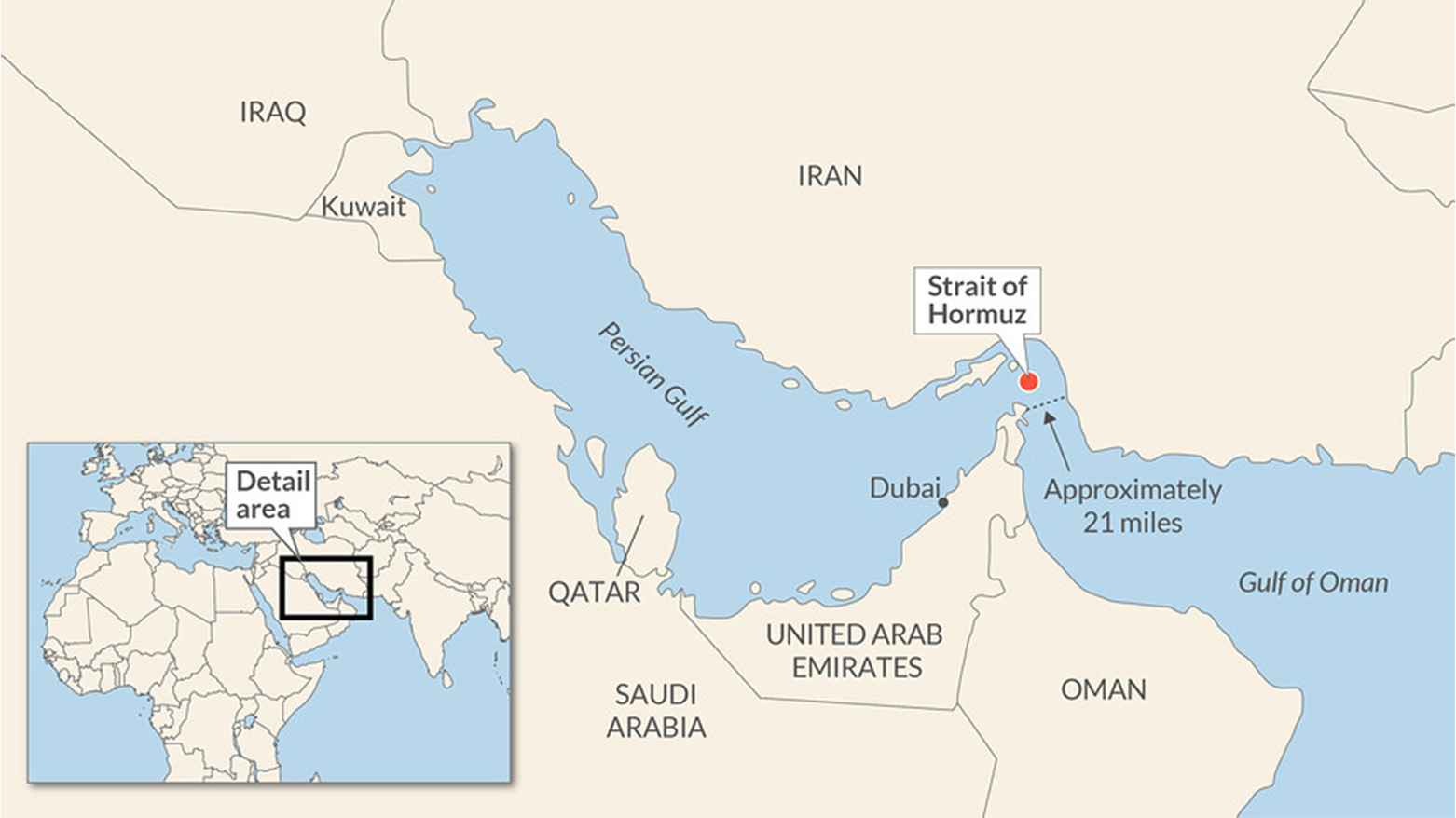
The Strait of Hormuz, a narrow but vital oil transit route between the Persian Gulf and the Gulf of Oman, has long been a flashpoint for regional and international tensions. A significant portion of the world’s oil supply passes through the strait, making security there a top priority for global powers.
Recent months have seen heightened friction involving Iran, the United States, and Israel, with incidents affecting commercial shipping and raising concerns over the safety of maritime navigation. Washington has repeatedly emphasized the need to safeguard shipping lanes, while Tehran has criticized foreign military presence in the region, arguing it escalates instability rather than resolving it.
The only viable solution in the Strait of Hormuz is clear: a permanent end to the war, the lifting of the maritime blockade, and the restoration of normal passage.
— I.R.IRAN Mission to UN, NY (@Iran_UN) May 6, 2026
Instead, the U.S. is pushing a flawed, politically motivated UN Security Council draft resolution under the pretext…