Rubio Says U.S. Awaits Iran Response to Diplomatic Proposal
Rubio says Washington awaits Tehran's response as Iran tensions strain U.S. ties with Italy and the Vatican.
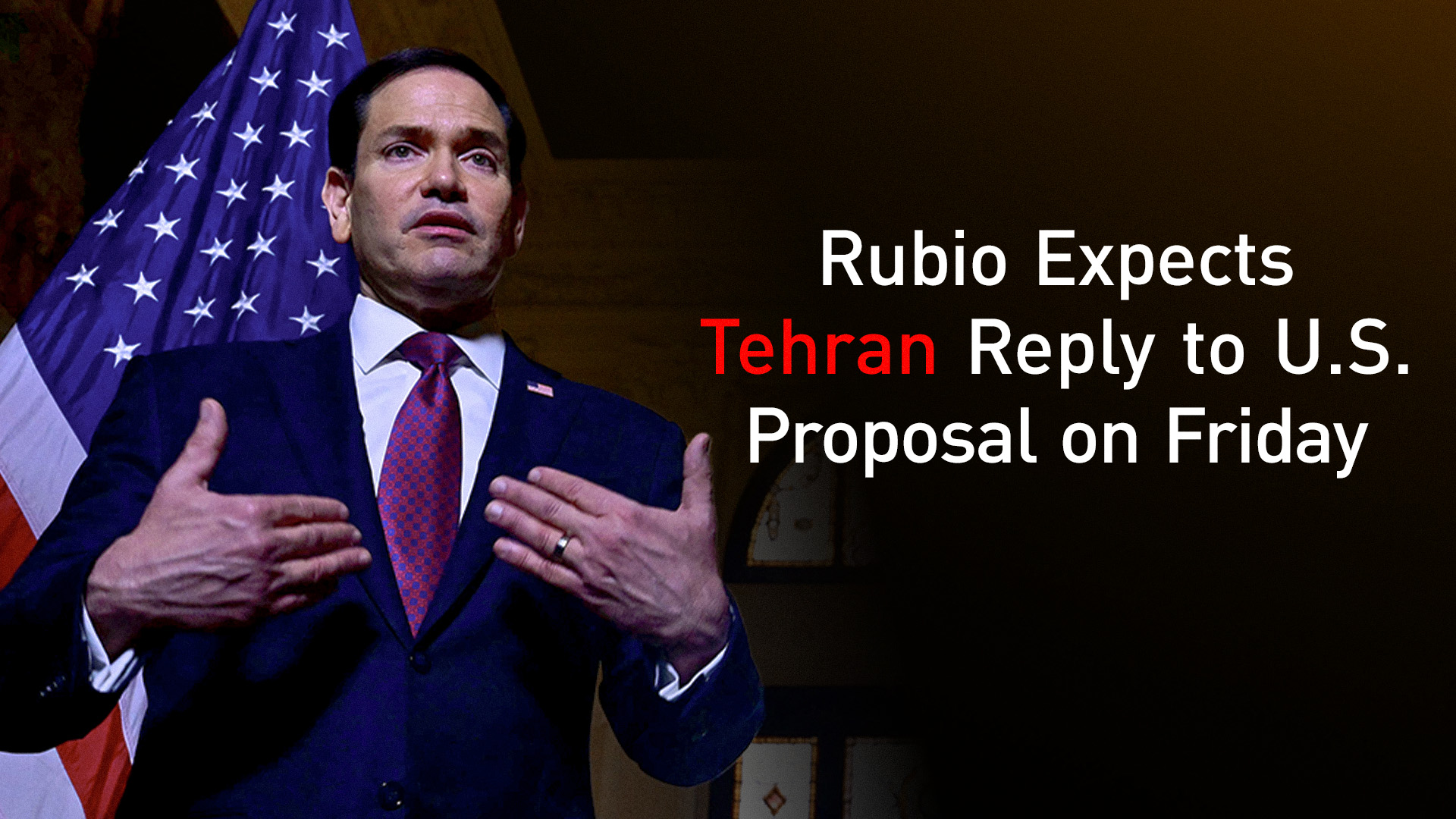
ERBIL (Kurdistan24) - United States Secretary of State Marco Rubio indicated that the administration is awaiting an official reply from Tehran regarding a diplomatic proposal designed to bring an end to the current conflict. Speaking to journalists during a diplomatic visit to Rome, Rubio confirmed the expectation of a communication from Iranian officials on Friday.
According to reporting by Agence France-Presse (AFP), the Secretary of State expressed a desire for a substantive diplomatic exchange, stating, "We're expecting a response from them today at some point... I hope it's a serious offer, I really do."
The anticipation of an Iranian response occurs amid complex and multi-layered international discussions intended to manage the fallout of the ongoing conflict involving the U.S., Israel, and Iran.
The U.S. Secretary of State Marco Rubio, as reported by AFP, also slammed Iranian efforts to control the Strait of Hormuz, following a report that Tehran has created an authority to approve transit through the vital waterway.
"Iran now claims that they own, that they have a right to control, an international waterway... That's an unacceptable thing that they're trying to normalise," Rubio told reporters during a visit to Rome.
While Rubio awaits formal communication from Tehran, his presence in the Italian capital highlights a broader effort to coordinate regional security policies with key European allies and manage the diplomatic intersection of geopolitical and moral considerations.
Secretary of State Marco Rubio also explained that the U.S. President Donald Trump has yet to decide how to respond to some allies denying the US military the use of their bases.
"If one of the main reasons why the US is in NATO is the ability to have forces deployed in Europe that we could project to other contingencies, and now that's no longer the case, at least when it comes to some NATO members, that's a problem, and it has to be examined," he told reporters during a visit to Rome, adding that Trump "hasn't made those decisions yet".
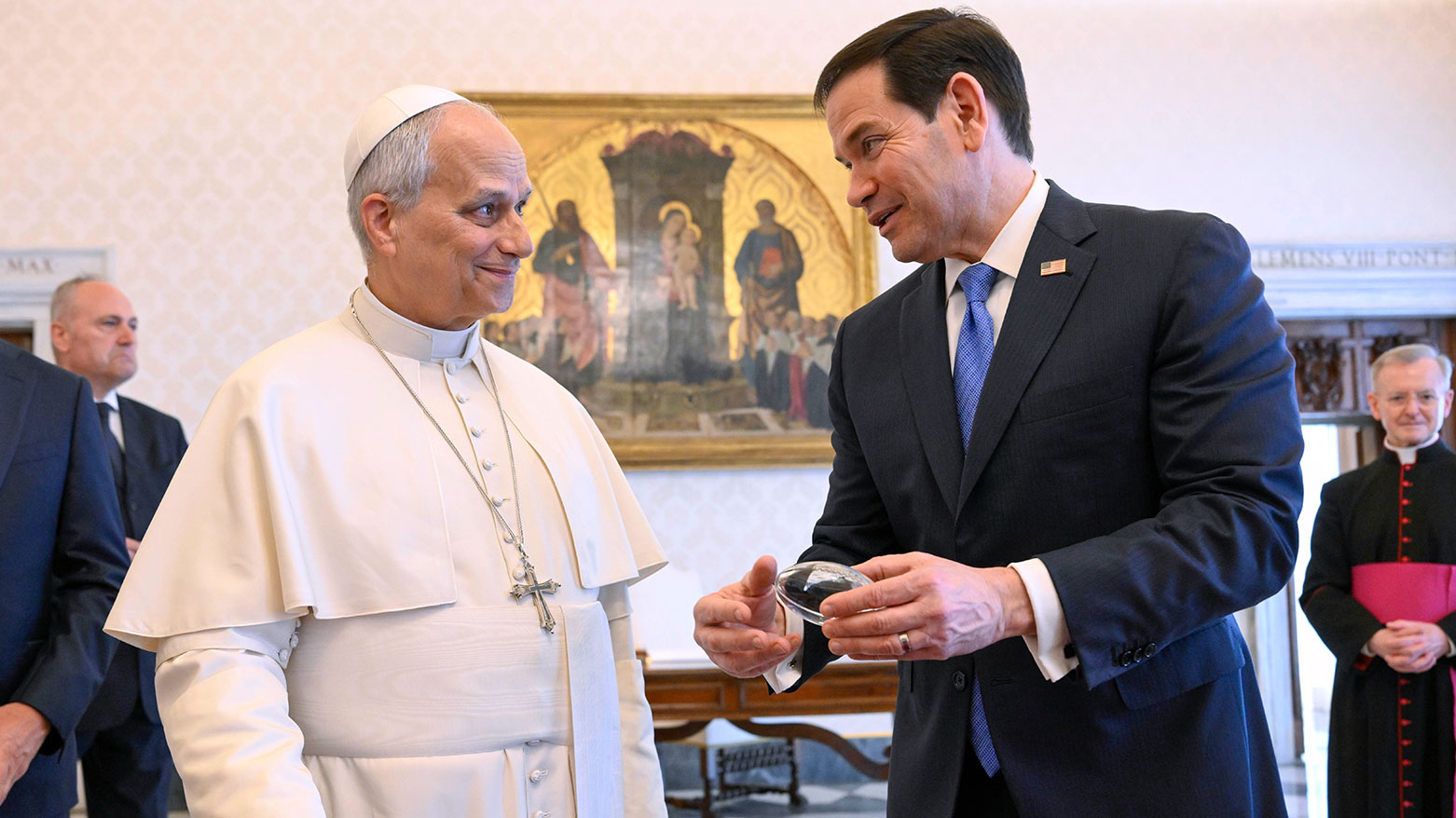
Rubio says he had a 'very good meeting' with Pope Leo.
In addition to addressing the status of the Iran negotiations, the Secretary of State prioritized managing institutional relationships within Rome.
According to Agence France-Presse, Rubio stated on Friday that he had concluded a "very good meeting" with Pope Leo XIV at the Vatican.
The AFP report noted that this high-level engagement followed recent criticism directed at the pontiff by U.S. President Donald Trump over the Pope's anti-war positioning.
According to AFP, Rubio told reporters that his discussions with the Pope covered shared concerns, highlighting both religious freedom and the strategic threat posed by Iran.
The AFP report noted that Rubio emphasized the utility of the meeting in clarifying Washington's policy stance to the Vatican.
"It's important to share our points of view and an explanation and an understanding of where we're coming from," Rubio said, according to AFP. He further characterized the diplomatic exchange at the Holy See as "very positive."
Italy Navigates Growing Pressure
The diplomatic maneuvering at the Vatican and the anticipation of an Iranian response are set against a backdrop of deteriorating bilateral relations between the United States and Italy.
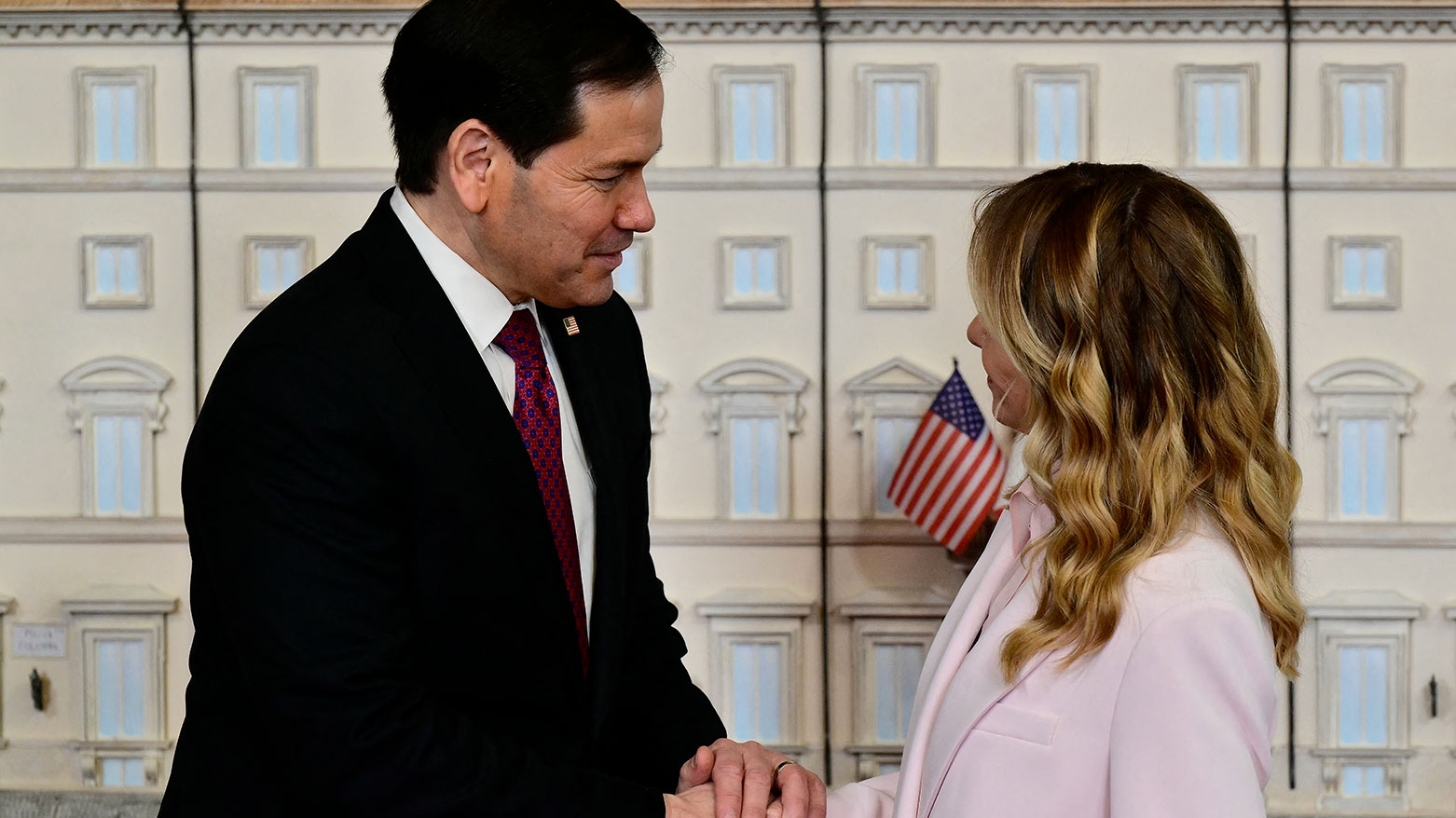
During his two-day trip to Rome, Rubio also held talks with Italian Prime Minister Giorgia Meloni.
According to the reporting by Reuters journalist Crispian Balmer, the Meloni-Rubio engagement took place during a period marked by unusual diplomatic strain, driven predominantly by differing approaches to the Iran war.
The report stated that Rubio's mission aimed to address Washington's frustration over the Italian government’s refusal to actively support the U.S.-led military campaign against Iran.
According to the article, Meloni had previously cultivated strong ties with President Trump, positioning herself as a crucial diplomatic link between the U.S. administration and other, more skeptical European Union member states.
However, the report noted that the ongoing conflict in the Middle East has profoundly complicated that alignment, forcing Italy to balance its alliance obligations against severe domestic opposition to the war and its mounting economic costs.
According to the Reuters report, these policy divergences have resulted in concrete operational disputes.
The article noted that Italy recently denied authorization for U.S. military aircraft to use the Sigonella air base in Sicily for combat missions linked to the Iran conflict.
Italian officials cited in the report stated that Washington had attempted to utilize the installation without seeking prior approval from Rome.
Furthermore, the report stated that Italian Defence Minister Guido Crosetto openly warned that the war risks destabilizing U.S. global leadership and expressed concern over the possibility of nuclear escalation.
Iran Conflict Shapes Transatlantic Relations
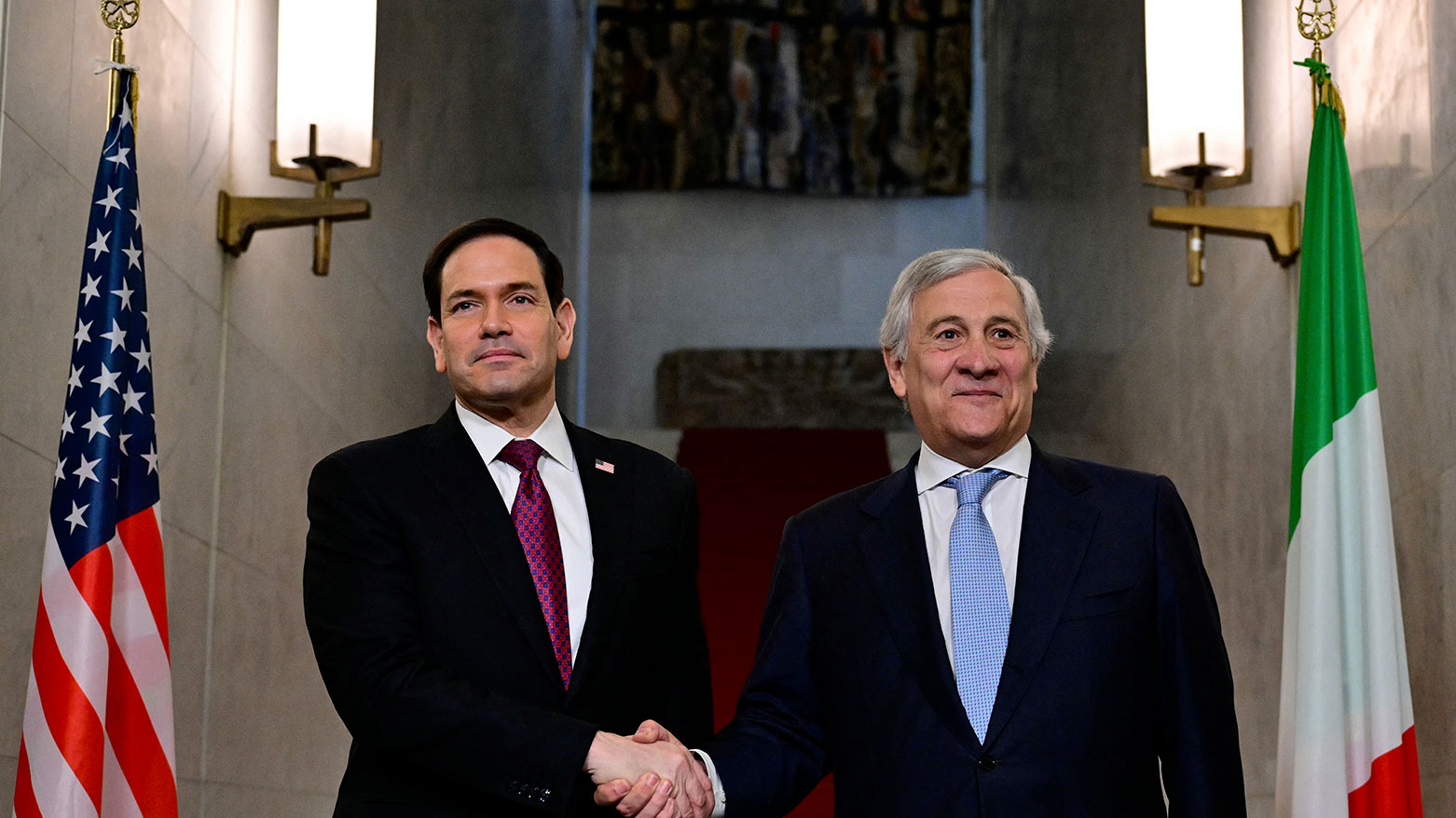
Before his meeting at Chigi Palace with Prime Minister Meloni, Secretary Rubio also met with Italian Foreign Minister Antonio Tajani.
According to the Reuters report, Tajani characterized the preliminary discussions as constructive, stressing the enduring necessity of the transatlantic partnership. Tajani told reporters that Europe and Italy need America, just as the United States requires the support of Europe and Italy, according to the report.
The diplomatic agenda in Rome extended beyond the Persian Gulf.
The report stated that the discussions were expected to cover the Russian war in Ukraine, U.S. tariffs on European goods, and diplomatic strategies regarding Cuba. However, the most acute friction point remained the intersection of the Iran conflict and Vatican politics.
According to the Reuters report, President Trump's recent verbal attacks on Pope Leo crossed a highly sensitive cultural line in predominantly Catholic Italy.
The article noted that Prime Minister Meloni publicly condemned Trump's remarks as "unacceptable," a defense of the pontiff that triggered immediate geopolitical retaliation from Washington.
According to the report, Trump rebuked Meloni, accusing her of lacking courage, and subsequently threatened to withdraw American military forces stationed in Italy.
The article stated that Meloni addressed this threat on Monday, indicating that while she opposed a U.S. troop withdrawal, she recognized the ultimate decision resided with Washington, while reaffirming her commitment to preventing national chaos.
Broader Diplomatic Environment
The intertwining of the Vatican dispute, military base access disagreements, and the broader Iran war illustrates the significant domestic political weight the conflict carries for the Italian government.
According to the Reuter's report, pollsters indicate that Meloni's previously close ties to the Trump administration could become an electoral liability ahead of upcoming national elections, as Italian voters react negatively to the U.S. administration's aggressive foreign policy and its treatment of the Vatican.
The meetings in Rome reflect the broader challenges currently facing the NATO alliance, as European leaders struggle to reconcile domestic constraints with unilateral U.S. military actions in the Middle East.
Meanwhile, the central objective of Rubio's diplomatic messaging remains focused on securing a resolution to the primary conflict.
As Secretary Rubio indicated to reporters in Rome, Washington is waiting to see if Tehran will present a serious diplomatic offer.
According to Agence France-Presse, the U.S. administration continues to monitor whether the ongoing diplomatic engagement will yield a viable path to de-escalation, even as international pressure and transatlantic political strains continue to mount.