Emirates Reports Higher Profits Despite Middle East War Disruptions
Airline group posts record earnings and cash reserves as regional conflict hits flights, cargo operations, and Gulf aviation routes
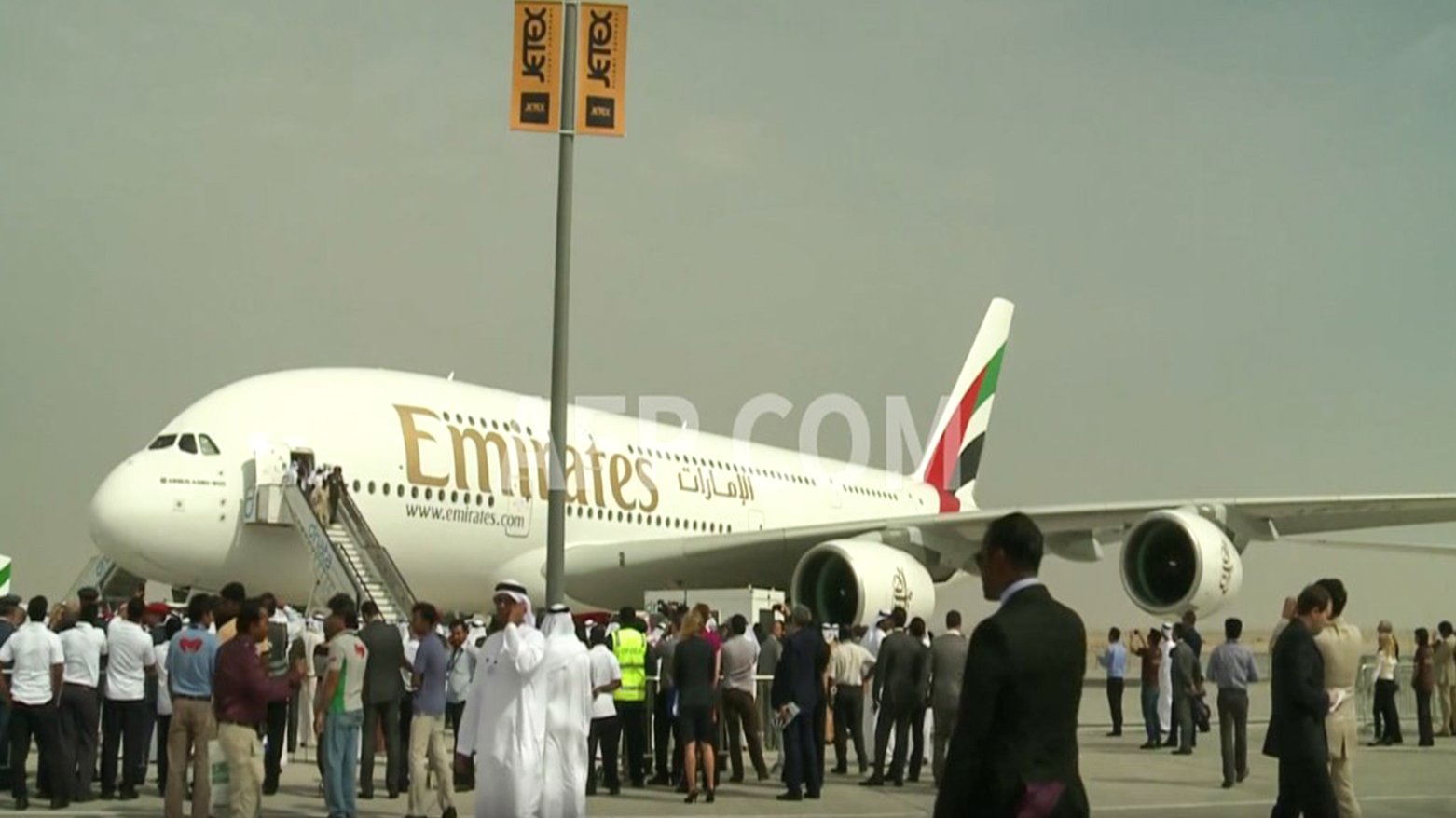
ERBIL (Kurdistan24) — The state-owned Emirates Group reported a 3% rise in annual profits to $5.7 billion on Thursday, defying major disruptions caused by the ongoing Middle East conflict that has repeatedly affected air traffic and regional security.
The group, which includes Emirates Airline — the world’s largest long-haul carrier — also announced record pre-tax profits of $6.6 billion and record cash holdings of $16.2 billion for the financial year.
Despite the strong results, the company said March was a particularly “disruptive and challenging” month, as intensified hostilities in the Gulf region led to widespread airspace disruptions and flight suspensions.
Chairman and CEO Sheikh Ahmed bin Saeed Al Maktoum said the first 11 months of the fiscal year were strong, but acknowledged the impact of escalating tensions.
“Although we are still operating at a lower passenger capacity than pre-disruption, cargo operations have ramped up to support the movement of essential goods into and through the UAE,” he said.
Flights to and from Dubai International Airport, the world’s busiest international hub, were significantly affected after Iran launched retaliatory attacks on Gulf states beginning in late February.
The UAE, which hosts U.S. military forces, has reported more than 2,800 drone and missile attacks, most of which were intercepted.
According to the company, global aviation in the Gulf was heavily disrupted on February 28 due to military escalation, forcing temporary reductions in air traffic. Operations resumed on March 2 using alternative corridors, with Emirates restoring about 58% of its passenger capacity across 122 destinations by the end of the month.
Annual passenger numbers declined slightly to 53.2 million, while Dubai Airports reported a sharp 66% drop in March traffic year-on-year amid the crisis.
Despite the challenges, Emirates distributed a $1 billion dividend to its owner, the Investment Corporation of Dubai.
Sheikh Ahmed said the airline remains confident in its financial resilience, noting it is “well-hedged” against fuel price volatility through 2028–2029.
“We hope for a clear resolution to the hostilities soon, and a return to market stability,” he said. “But in the meantime, we are not sitting on our hands.”
The war — which escalated in late February involving the United States and Israel against Iran — has severely impacted regional trade routes, particularly the Strait of Hormuz, a critical passage for global oil and LNG shipments. Iran’s retaliatory measures have included restrictions that disrupted maritime traffic and heightened global energy market volatility.
Markets reacted positively to recent diplomatic signals, with oil prices falling and Asian stock markets rallying after U.S. President Donald Trump suggested progress in negotiations with Tehran. Reports indicated that Iran is reviewing a U.S.-backed proposal aimed at ending the conflict, with Pakistan acting as a mediator.
Iranian Foreign Ministry spokesperson Esmaeil Baqaei said the proposal remains “under review,” while signaling that Tehran would respond after completing internal consultations.
Analysts say a potential agreement could ease pressure on global shipping routes and reduce tensions in Lebanon, where violence has also escalated.
On Wednesday, Israel struck Beirut’s southern suburbs, killing a senior Hezbollah commander, while continued strikes across Lebanon have caused further casualties and displacement.
As negotiations continue, global markets remain closely focused on whether diplomatic progress between Washington and Tehran can stabilize one of the world’s most volatile regions.