Israeli and Lebanese Envoys to Hold New Round of Talks in Washington
A U.S. State Department official confirmed on Thursday that the talks will take place on May 14 and 15. This will mark the third round of meetings in recent months between the two countries, which remain technically at war and have no formal diplomatic relations.
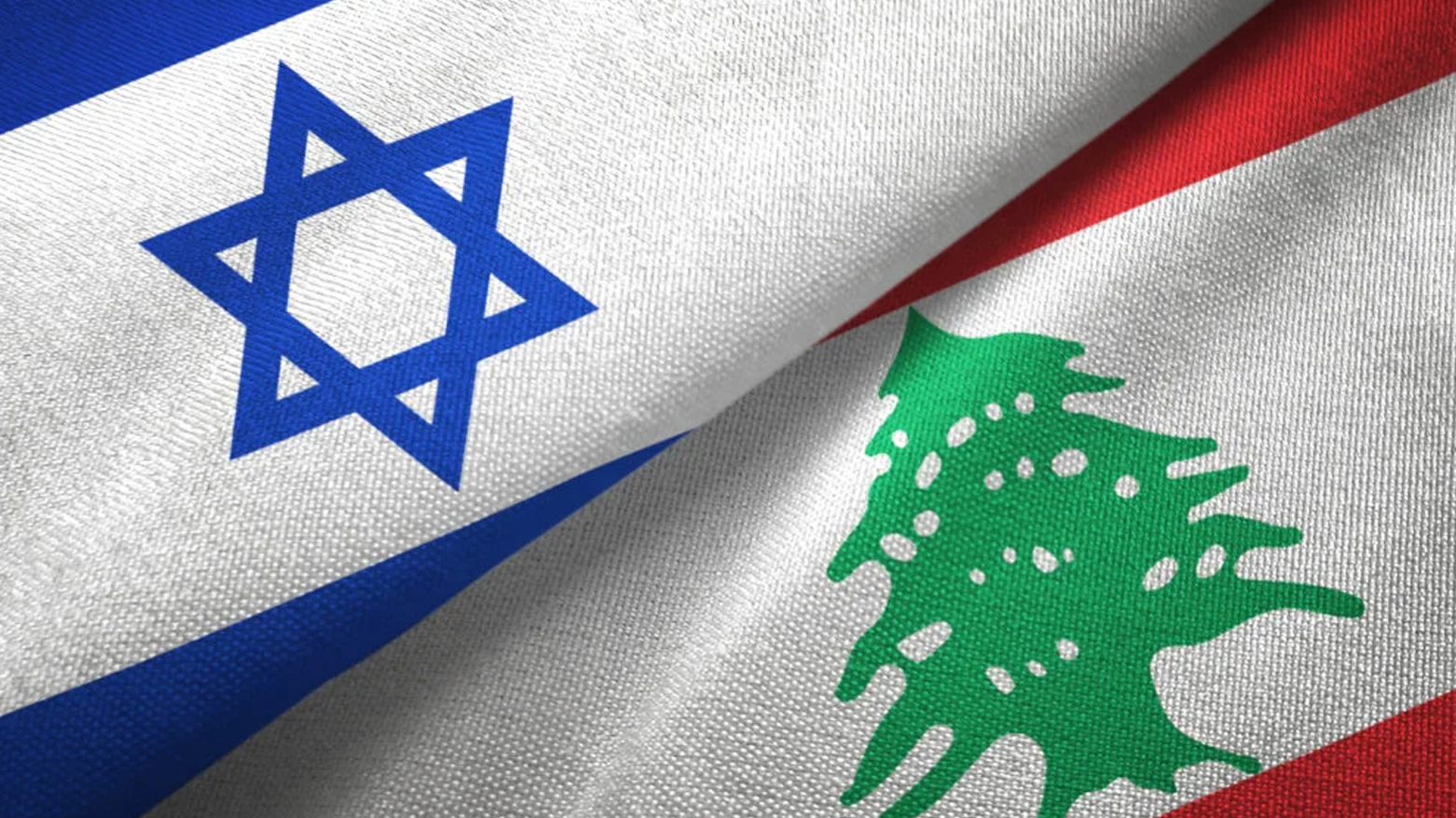
ERBIL (Kurdistan24) – Israeli and Lebanese envoys are set to meet in Washington next week for a fresh round of peace talks, even as Israel continues its military campaign against Hezbollah despite an existing ceasefire arrangement.
A U.S. State Department official confirmed on Thursday that the talks will take place on May 14 and 15. This will mark the third round of meetings in recent months between the two countries, which remain technically at war and have no formal diplomatic relations.
U.S. Secretary of State Marco Rubio said earlier this week that a peace agreement between the two sides was “eminently achievable,” arguing that Hezbollah remains the main obstacle rather than disputes between the governments of Israel and Lebanon.
The conflict in Lebanon escalated alongside the wider regional war involving the United States and Israel against Iran-aligned forces, including Hezbollah. The group entered the conflict after launching rockets toward Israel in response to the killing of Iranian Supreme Leader Ayatollah Ali Khamenei.
Although a ceasefire involving Israel, Lebanon, and Hezbollah was extended following previous talks in Washington, hostilities have continued. Israeli forces have carried out repeated strikes on Hezbollah positions, while the group has also claimed attacks on Israeli troops stationed in southern Lebanon.
Israeli airstrikes continued on Thursday, according to state media, a day after a strike in Beirut’s southern suburbs killed a senior Hezbollah commander. Israeli Prime Minister Benjamin Netanyahu said after the attack that “no terrorist is immune,” warning that anyone threatening Israel “will die because of his actions.”
Meanwhile, the broader regional conflict continues to disrupt global trade. Iran has imposed restrictions affecting the Strait of Hormuz, a key route for global oil and gas shipments. According to Arsenio Dominguez, secretary general of the UN’s International Maritime Organization, around 1,500 ships and 20,000 crew members are currently stranded in the Gulf due to the crisis.