Qatar Condemns Alleged IRGC ‘Infiltration’ Linked to Kuwait Attacks
Qatar's Ministry of Foreign Affairs described the reported incident and the subsequent clash with Kuwaiti forces as "a blatant aggression against Kuwait's sovereignty and a dangerous development that threatens the security and stability of the region."
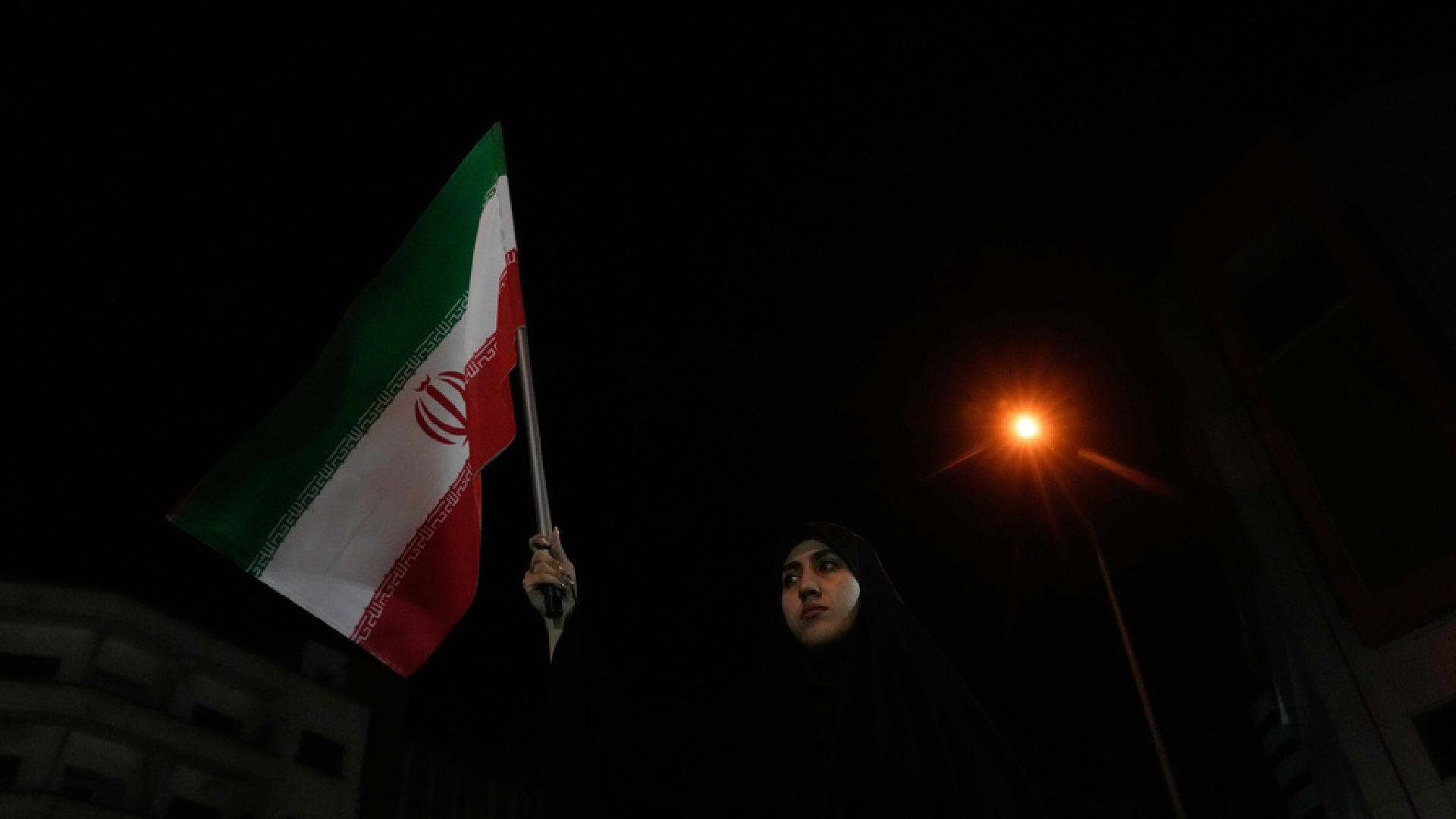
ERBIL (Kurdistan 24) - Qatar has strongly condemned what it described as an "infiltration" by an armed group linked to Iran's Revolutionary Guard Corps (IRGC) onto a nearby island to launch hostile operations against Kuwait. The incident has been characterized as a dangerous escalation that threatens regional stability.
In an official statement published Tuesday, Qatar's Ministry of Foreign Affairs described the reported incident and the subsequent clash with Kuwaiti forces as "a blatant aggression against Kuwait's sovereignty and a dangerous development that threatens the security and stability of the region."
The Qatari Foreign Ministry also emphasized "the necessity of stopping Iran's unjustified aggressions against brotherly countries," labeling them as violations of international law and a serious threat to Gulf security.
This statement followed Kuwait's announcement that its air defense systems intercepted several "hostile drones" that had entered Kuwaiti airspace early Sunday morning.
Kuwaiti military spokesman Brigadier Saud Abdulaziz Al-Atwan stated on Monday that the drones were intercepted according to approved military procedures, and that Kuwait's armed forces remain at full readiness to protect national security.
While Kuwaiti authorities have not officially confirmed the origin of the drones, Kuwait's Foreign Ministry recently accused Iran and Iran-backed armed groups of targeting strategic facilities within the country through drone attacks.
Türkiye says there is now "enough will" to stop the war
Meanwhile, Turkish Foreign Minister Hakan Fidan expressed his belief that both Washington and Tehran are increasingly willing to end the war and pursue a negotiated settlement.
"I think there is enough will now... on both sides to stop the war," Fidan told Al Jazeera in an interview published Tuesday.
Fidan cautioned that continued escalation could lead to broader instability affecting global economic conditions, energy markets, regional security, and international shipping routes.
"It is prone to escalation; it is prone to further tragedy and drama," Fidan remarked, adding that both sides still have an opportunity to achieve a permanent settlement.
Hormuz is becoming a central issue in diplomacy
The Turkish foreign minister also underscored Türkiye's support for restoring maritime conditions in the Strait of Hormuz to their pre-war status.
"We want to see a free passage for all ships, just as it was before the war," Fidan told Al Jazeera.
He warned that attempts to impose new arrangements in Hormuz without broad international acceptance could lead to "a new source of conflict."
The Strait of Hormuz remains one of the world's most vital energy corridors, carrying a significant share of global oil and LNG exports.
Recent military confrontations, naval restrictions, and attacks linked to the Iran conflict have heightened global concerns regarding shipping security and energy stability.
Coordinated Mediation by Türkiye, Qatar, and Pakistan
Fidan also confirmed that Türkiye is actively supporting ongoing mediation efforts involving Qatar, Pakistan, Saudi Arabia, Egypt, and other regional actors.
According to Fidan, regional countries are working to help mediators develop "creative ideas" capable of bridging gaps between Washington and Tehran.
"The regional countries are doing their best to provide support to the ongoing process," he stated.
These comments come just days after:
- Qatari Prime Minister Sheikh Mohammed bin Abdulrahman Al Thani met U.S. Vice President JD Vance in Washington
- U.S. Secretary of State Marco Rubio and envoy Steve Witkoff met with the Qatari premier in Miami
- Pakistan's Prime Minister Shahbaz Sharif publicly reaffirmed support for diplomacy and regional de-escalation
Recent negotiations remain fragile
Despite the increasing diplomatic activity, tensions remain high across the Gulf.
U.S. President Donald Trump recently accused Iran of deliberately delaying negotiations and criticized Tehran's latest proposal regarding nuclear restrictions and regional security arrangements.
At the same time, Iranian Supreme Leader Mojtaba Khamenei issued a new 10-point strategic message this week, emphasizing Iran's role in the Gulf and opposing a long-term U.S. military presence in the region.
Military alert levels also remain elevated throughout the Gulf amid fears that any collapse in negotiations could quickly reignite broader confrontations involving Iran, the United States, Israel, and Iran-backed armed groups.