Chinese Supertanker Carrying Iraqi Oil Crosses Hormuz Amid Growing Challenge to U.S. Naval Blockade
Tracking data show Iranian and Chinese-linked vessels moving through the Strait of Hormuz despite escalating maritime restrictions
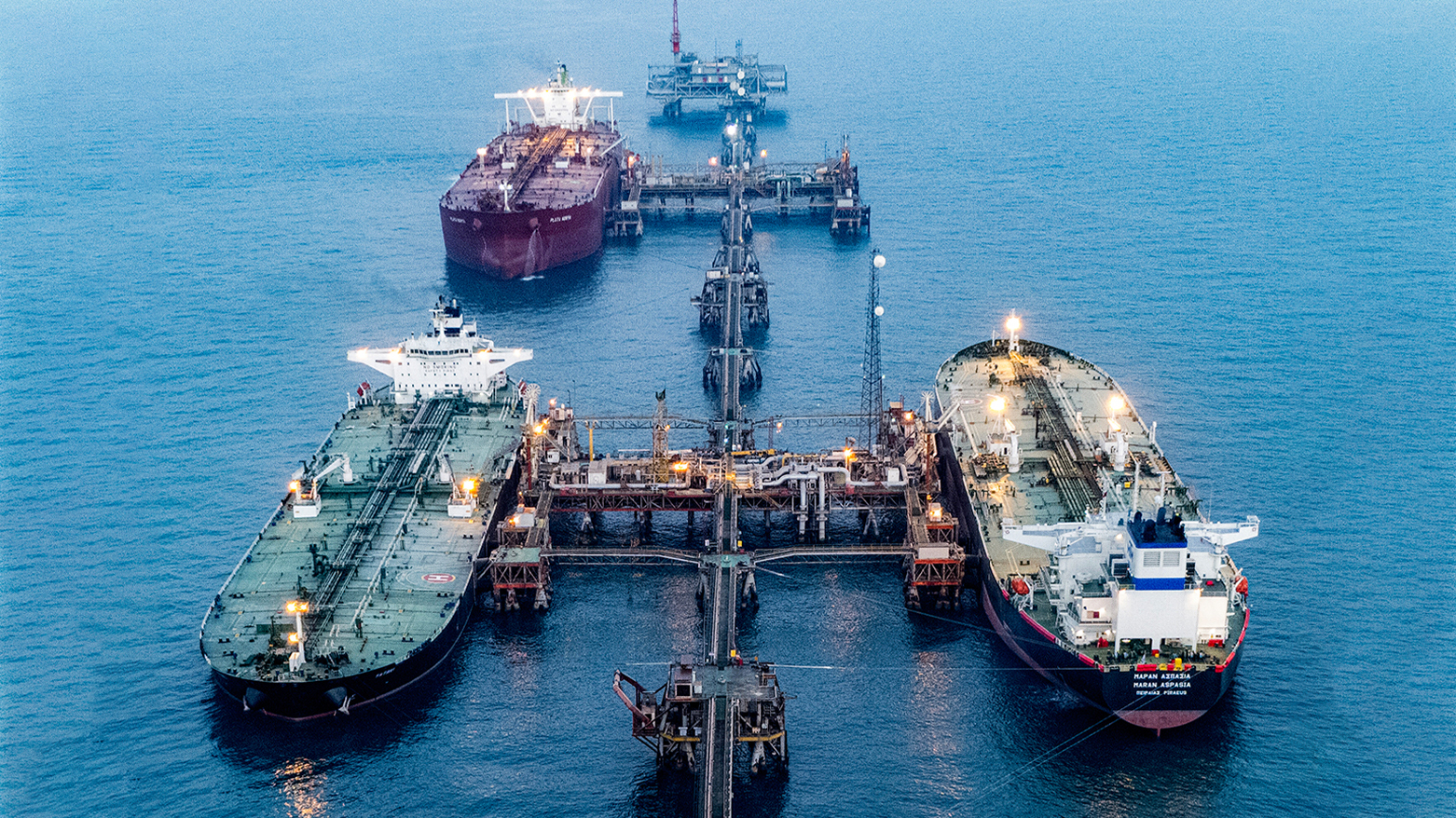
ERBIL (Kurdistan 24) - A Chinese supertanker carrying nearly two million barrels of Iraqi crude oil was reportedly navigating through the Strait of Hormuz this week despite ongoing U.S. maritime restrictions linked to the conflict with Iran, according to ship-tracking data cited by international media outlets.
The Very Large Crude Carrier (VLCC) Yuan Hua Hu was observed on Wednesday near Iran’s Larak Island on the eastern side of the Strait while heading south toward Asian markets, according to LSEG and Kpler tracking data.
The vessel is owned by China Ocean Shipping Company (COSCO) Shipping Energy Transportation and chartered by China Petroleum & Chemical Corporation (Sinopec) through its trading arm China International United Petroleum & Chemicals Co., Ltd (Unipec).
According to the reports, the tanker loaded approximately two million barrels of Basrah Medium crude oil at Iraq’s Basrah export terminal in early March before remaining stranded inside Gulf waters for weeks because of escalating maritime tensions.
If completed successfully, the voyage would reportedly become the third publicly known passage by a Chinese oil tanker through the Strait of Hormuz since the U.S.-Israeli war with Iran began on February 28.
The development comes amid increasing indications that Iran is tightening practical control over shipping activity through Hormuz despite ongoing U.S. naval pressure and sanctions.
Bloomberg and CNN also reported Thursday that two separate vessels, one Iranian-linked and one Chinese, recently crossed through Hormuz despite the U.S. maritime blockade.
According to the reports, the Iranian LPG vessel Tara Gas crossed the blockade line late Tuesday night and is currently moving southeast in the Arabian Sea after reportedly loading Iranian liquefied petroleum gas earlier this month.
At the same time, the Chinese tanker Yuan Hua Hu was observed continuing its movement through the Strait after previously anchoring near Iran’s Assaluyeh port on February 28 and later stopping at a UAE port on March 20.
No official statement has yet been issued regarding how the vessels managed to navigate through the increasingly militarized maritime corridor.
The latest developments follow another major shipping incident reported earlier on Monday by Bloomberg involving a Greek-operated tanker carrying nearly two million barrels of Iraqi crude oil destined for Vietnam.
According to Bloomberg, U.S. naval forces operating under the blockade against Iran prevented the tanker Agios Fanourios I from continuing its voyage despite the cargo reportedly originating from Iraq rather than Iran.
Vietnam later requested that Washington allow the shipment to proceed, warning that delays threatened operations at the country’s Nghi Son refinery and could negatively affect the Vietnamese economy.
In a letter cited by Bloomberg, Vietnam’s state-linked PetroVietnam Oil stressed that the Iraqi crude shipment was critically important for national energy stability.
The exact reason behind the U.S. interception remains unclear because Washington’s maritime restrictions officially target Iranian-linked exports rather than Iraqi oil shipments.
Following the outbreak of the war, Iran closed the Strait of Hormuz to most commercial shipping after U.S. and Israeli strikes targeted Iranian military and nuclear infrastructure.
Although the Strait was briefly reopened for approximately 24 hours during negotiations mediated in Pakistan, Iran’s Revolutionary Guard later restored major restrictions on maritime traffic.
In response, U.S. President Donald Trump imposed a broad naval blockade targeting Iranian commercial shipping and energy exports in an attempt to pressure Tehran economically and militarily.
The crisis has severely disrupted global energy markets because approximately 20% of the world’s oil and LNG trade normally passes through the Strait of Hormuz.
According to recent maritime and military estimates:
- More than 1,550 vessels from 87 countries remain stranded inside Gulf waters
- Approximately 22,500 mariners are still affected by the shipping disruptions
The maritime standoff has also contributed to:
- Rising global fuel prices
- Higher maritime insurance costs
- Supply-chain disruptions
- Increased geopolitical tensions across the Gulf
Iran maintains that the full reopening of Hormuz depends on:
- Ending the war
- Lifting the U.S. blockade
- Achieving broader political understandings with Washington
Meanwhile, the United States continues demanding wider concessions from Tehran regarding its nuclear program and regional activities.