Pakistan Interior Minister Visits Tehran to Support Stalled Iran-US Peace Talks
Islamabad intensifies mediation efforts as fragile ceasefire holds and Tehran urges Washington to accept its peace proposal
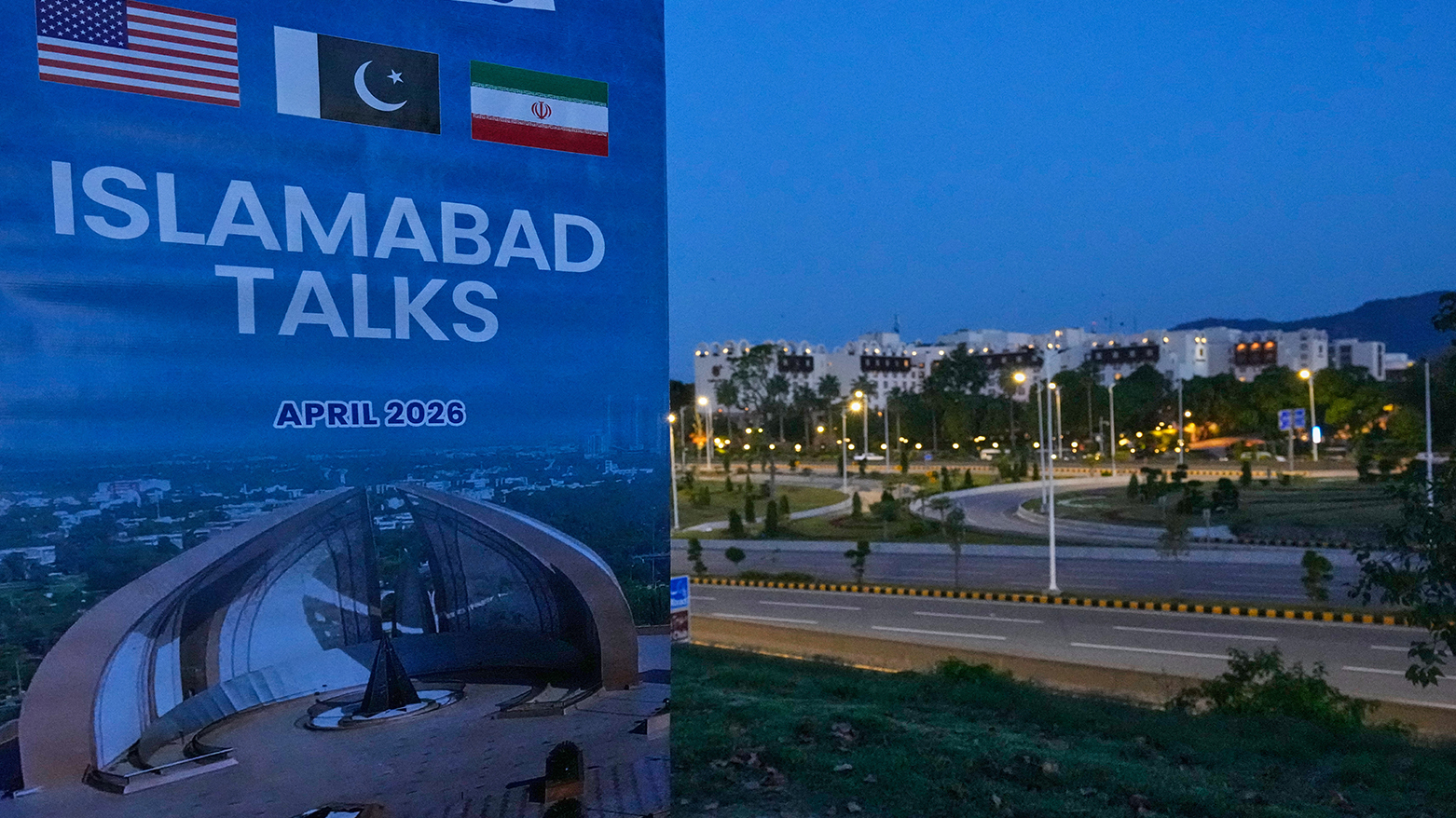
ERBIL (Kurdistan24) — Pakistan’s Interior Minister Mohsin Naqvi arrived in Tehran on Saturday for a two-day official visit aimed at facilitating stalled peace talks between Iran and the United States, according to Iranian media reports.
Iran’s semi-official Tasnim news agency reported that Naqvi’s trip is part of Islamabad’s ongoing diplomatic efforts “to facilitate talks and promote regional peace” amid continued tensions between Tehran and Washington despite a fragile ceasefire.
Naqvi was received in Tehran by Iranian Interior Minister Eskandar Momeni. His visit comes only days after a trip by Pakistan’s powerful army chief, Field Marshal Asim Munir, underscoring Islamabad’s increasing role in regional diplomacy.
Pakistan has emerged as an active mediator in the negotiations between Tehran and Washington. Last month, Islamabad hosted a high-level meeting involving delegations from both sides in an effort to revive diplomatic momentum and prevent further escalation.
The latest diplomatic push follows months of heightened conflict that erupted after US and Israeli forces launched attacks on Iran on Feb. 28. A ceasefire announced on April 9 has largely halted the fighting, though tensions remain high and negotiations have struggled to regain traction.
Iranian Foreign Minister Abbas Araghchi said on Friday that Tehran had received messages from Washington indicating that President Donald Trump’s administration was willing to continue negotiations.
However, Iranian officials have maintained a firm stance regarding Tehran’s conditions for any agreement.
Iranian parliament speaker and chief negotiator Mohammad Bagher Ghalibaf warned earlier this week that Washington must accept Iran’s proposed framework for peace or risk diplomatic failure.
“There is no alternative but to accept the rights of the Iranian people as laid out in the 14-point proposal,” Ghalibaf wrote in a social media post on Tuesday. “Any other approach will be completely inconclusive; nothing but one failure after another.”
His remarks came after Trump reportedly rejected an Iranian counterproposal and warned that the current ceasefire remained on “life support,” raising concerns over the durability of the truce and the future of negotiations.
The diplomatic efforts also come amid increased international involvement in the Iran crisis following President Donald Trump’s visit to China this week, where discussions with Chinese President Xi Jinping focused heavily on regional stability and the future of negotiations with Tehran.
According to the White House, Trump and Xi agreed that Iran “can never have a nuclear weapon” and stressed the importance of keeping the Strait of Hormuz open to global energy supplies.
Trump later said Beijing shared Washington’s position on preventing Tehran from obtaining nuclear weapons, while also expressing optimism that diplomacy could still succeed despite the fragile ceasefire and stalled negotiations.
China, which maintains close economic and energy ties with Iran, has called for an end to the conflict and urged all sides to return to dialogue. Beijing has also opposed further militarization in the Gulf region, warning that instability around the Strait of Hormuz could threaten global trade and energy markets.