Iran plans toll mechanism for Hormuz Strait transit, excludes vessels linked to US 'Freedom Project'
The announcement marks Tehran's latest move to assert control over one of the world's most critical maritime chokepoints, as a fragile ceasefire continues to hold with no lasting agreement in sight.
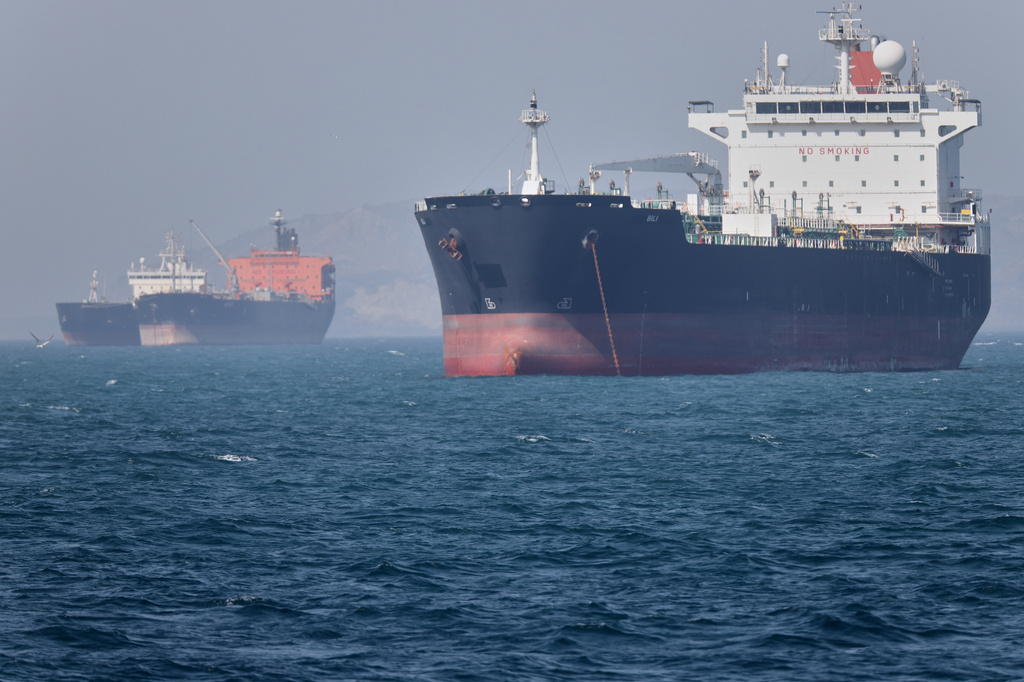
ERBIL (Kurdistan 24) - Iran announced plans on Saturday, to introduce a toll-based mechanism regulating maritime traffic through the Strait of Hormuz, as its foreign minister simultaneously disclosed that Washington had sent messages expressing a desire to resume diplomatic talks — even as the two sides continued to trade hostile signals over a ceasefire that remains deeply fragile.
Ebrahim Azizi, chairman of the Iranian parliament's National Security and Foreign Policy Committee, disclosed the transit fee plan in a post on X, stating that Tehran would unveil full details shortly. "In this process, only commercial vessels and parties cooperating with Iran will benefit from it," Azizi wrote, adding that the designated route "will remain closed to the operators of the so-called 'freedom project.'"
Washington reaches out, but the tone remains hostile
On the same day, Iranian Foreign Minister Abbas Araghchi confirmed that the US had delivered messages to Tehran expressing willingness to continue negotiations toward a comprehensive peace agreement in the region. Araghchi noted, however, that Washington's outreach came after US President Donald Trump had publicly described Iran's response to American proposals as unacceptable. "We hope reason and logic return to the White House," Araghchi said.
The foreign minister's remarks were a direct response to Trump's statement on May 10, in which the US president wrote on his Truth Social platform: "I have now read Iran's response. I don't like it. It is not acceptable in any way, shape, or form. Thank you for your attention to this matter."
A chokepoint at the center of a global standoff
The duelling announcements come amid one of the most volatile periods in the Strait of Hormuz's modern history. The US and Israel launched strikes against Iran on Feb. 28, triggering retaliatory action from Tehran against Israel and US allies in the Gulf, as well as the closure of the strait, through which roughly a fifth of the world's oil supply passes. A ceasefire brokered through Pakistani mediation took effect on April 8, but subsequent talks in Islamabad failed to produce a durable agreement.
Since April 13, the US has maintained a naval blockade targeting Iranian maritime traffic in the strait, significantly raising the stakes for both sides in a standoff that has rattled global energy markets and shipping lanes.
Trump's 'Project Freedom' and its pause
US President Trump announced "Project Freedom" in early May, vowing to escort commercial vessels through the Strait of Hormuz in direct defiance of Iran's position that any transit through the waterway requires its prior approval. The move was widely interpreted as a direct challenge to Tehran's claims of sovereign oversight over the strait. Trump later announced a pause on the initiative, though the underlying dispute over freedom of navigation remains unresolved.
Azizi's toll mechanism announcement appears to be Tehran's institutional answer, a framework that would formalise Iran's control over transit while offering a commercial pathway for vessels and operators willing to accept its terms.
Ceasefire in name only
Despite the April 8 ceasefire, both sides have continued to accuse each other of violations and have maintained an unrelenting exchange of threatening statements. Iran has repeatedly insisted it will not relinquish control of the Strait of Hormuz to any foreign power or military force, while Washington has pressed its demands for access to the waterway and for a halt to Tehran's enriched uranium programme. Observers say the combination of a toll mechanism, a naval blockade, a paused escort initiative, and unresolved nuclear talks places the strait, and the global energy system it underpins, in a state of sustained, unresolved tension.
Tehran has not yet specified the fee structure, the designated route, or the formal timeline for the plan's announcement.