American Airlines Extends Tel Aviv Flight Suspension Until 2027 Amid Fears of Renewed Iran War
Trump’s latest threats against Tehran fuel concerns over regional escalation and aviation security
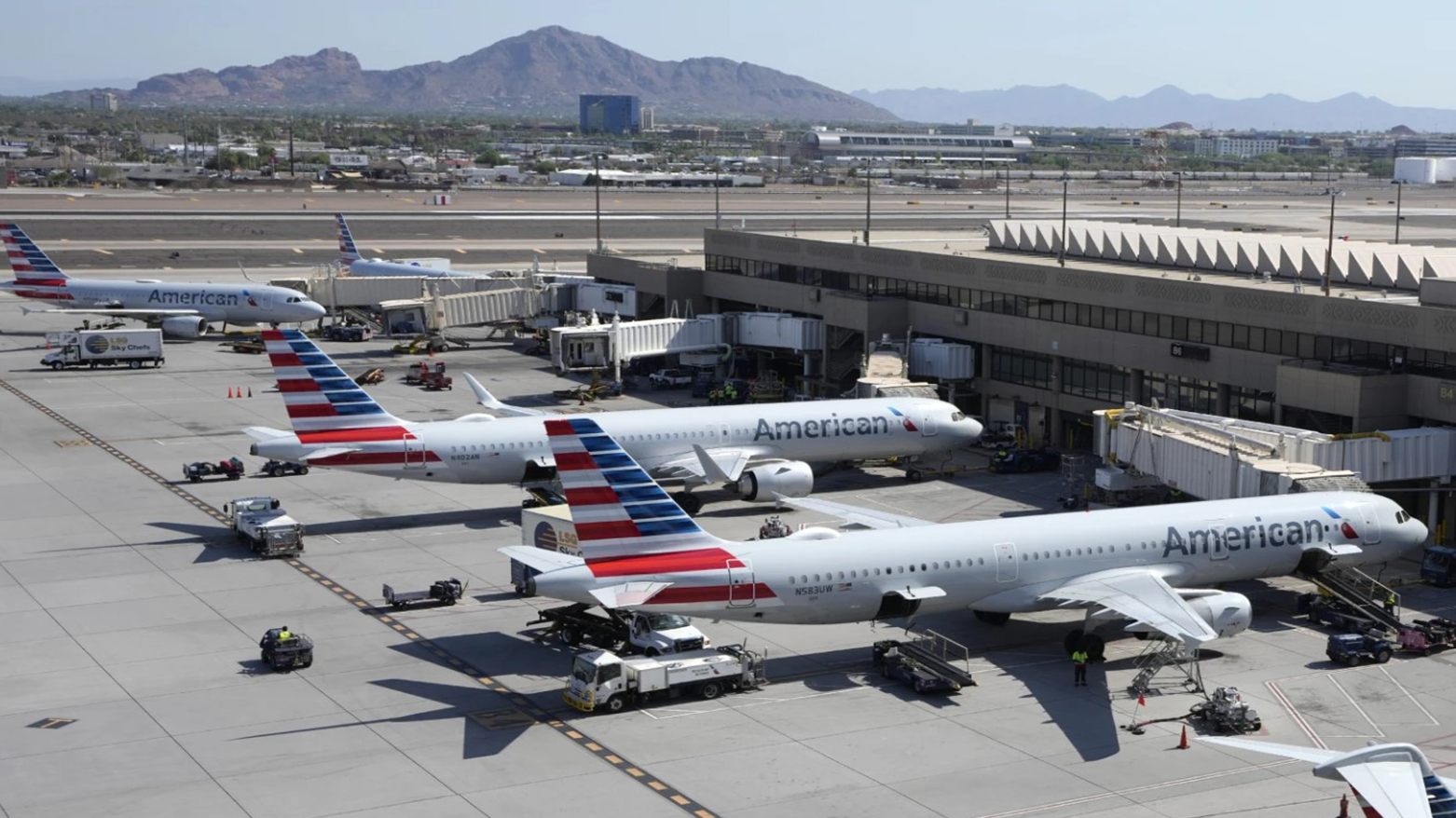
ERBIL (Kurdistan24) — American Airlines announced Sunday it is extending the suspension of its nonstop flights between New York and Tel Aviv’s Ben Gurion Airport through Jan. 6, 2027, underscoring growing concerns within the aviation industry over the possibility of renewed large-scale conflict involving the United States, Israel, and Iran.
The decision came just hours after U.S. President Donald Trump issued a sharp warning to Tehran, saying “the clock is ticking” and threatening severe consequences if Iran fails to move quickly toward a broader agreement with Washington.
The increasingly hostile rhetoric has intensified fears that the fragile regional standoff could again erupt into open conflict, particularly after recent weeks of military tensions in the Strait of Hormuz, drone attacks, and stalled diplomatic negotiations.
In a statement emailed to customers, American Airlines said it would “proactively reach out to impacted customers” and provide alternatives under its schedule adjustment policy.
The Dallas-based carrier had previously suspended flights to Israel through Sept. 7 due to the ongoing security situation linked to the Iran conflict. Sunday’s extension pushes the suspension for both Tel Aviv and Doha routes into early 2027.
The move makes American Airlines the only major U.S. legacy carrier that has not resumed flights to Israel at any point since the Oct. 7, 2023, Hamas-led attack on southern Israel, which triggered the prolonged Gaza war and later contributed to wider regional confrontation involving Iran and its allies.
Industry analysts say the latest suspension reflects mounting concerns among international airlines that the security environment around Israel could deteriorate again if tensions between Washington and Tehran escalate further.
United Airlines has also extended its suspension of flights from New York to Tel Aviv through at least Sept. 7, while Delta Air Lines has canceled its Tel Aviv operations through Sept. 5. The repeated postponements by major U.S. carriers have left Israeli airlines El Al and Arkia as the only operators currently offering direct flights between Israel and the United States.
The reduced competition has driven ticket prices sharply higher during the peak summer travel season as demand continues to outpace available seats.
Despite ongoing uncertainty, several international airlines have gradually resumed service to Tel Aviv in recent months, including two Emirati carriers, following signs of stabilization after the Iran war began on Feb. 28. However, aviation experts warn that Sunday’s remarks by Trump and Iran’s increasingly confrontational responses could reverse that trend.
Earlier Sunday, senior Iranian military adviser Mohsen Rezaei warned that continued U.S. pressure and maritime restrictions could turn the Gulf of Oman into a “graveyard” for American forces, while accusing Israel of attempting to expand the conflict across the region.
The exchange of threats has heightened market and security concerns that diplomatic efforts may be failing despite mediation attempts involving China and other regional actors.
Israeli travel industry officials reacted with frustration to American Airlines’ latest postponement, criticizing the company for repeatedly delaying its return to the Israeli market.
“This pattern of American Airlines oscillating between flying to Israel and then pulling out dates back to its merger with US Airways back in 2013,” Mark Feldman, CEO of Jerusalem-based Ziontours, told JNS. “It is time American Airlines removes Israel from all its future plans, or at least until its next big merger.”
Israeli carrier Israir has also been planning to launch flights to New York, though no official start date has yet been announced.
The airline industry remains highly sensitive to developments in the Middle East, particularly as investors, governments, and security agencies closely monitor whether the current standoff between the United States, Israel, and Iran will return to direct military confrontation in the coming weeks.