Water Levels in Iraq's Euphrates Rise Following Dam Release in Türkiye
Water levels in Iraq's Euphrates are set to rise after Türkiye released water from Atatürk Dam, its first controlled discharge in seven years, following heavy rains that filled the reservoir, easing drought conditions but raising warnings of downstream flooding in Iraq.
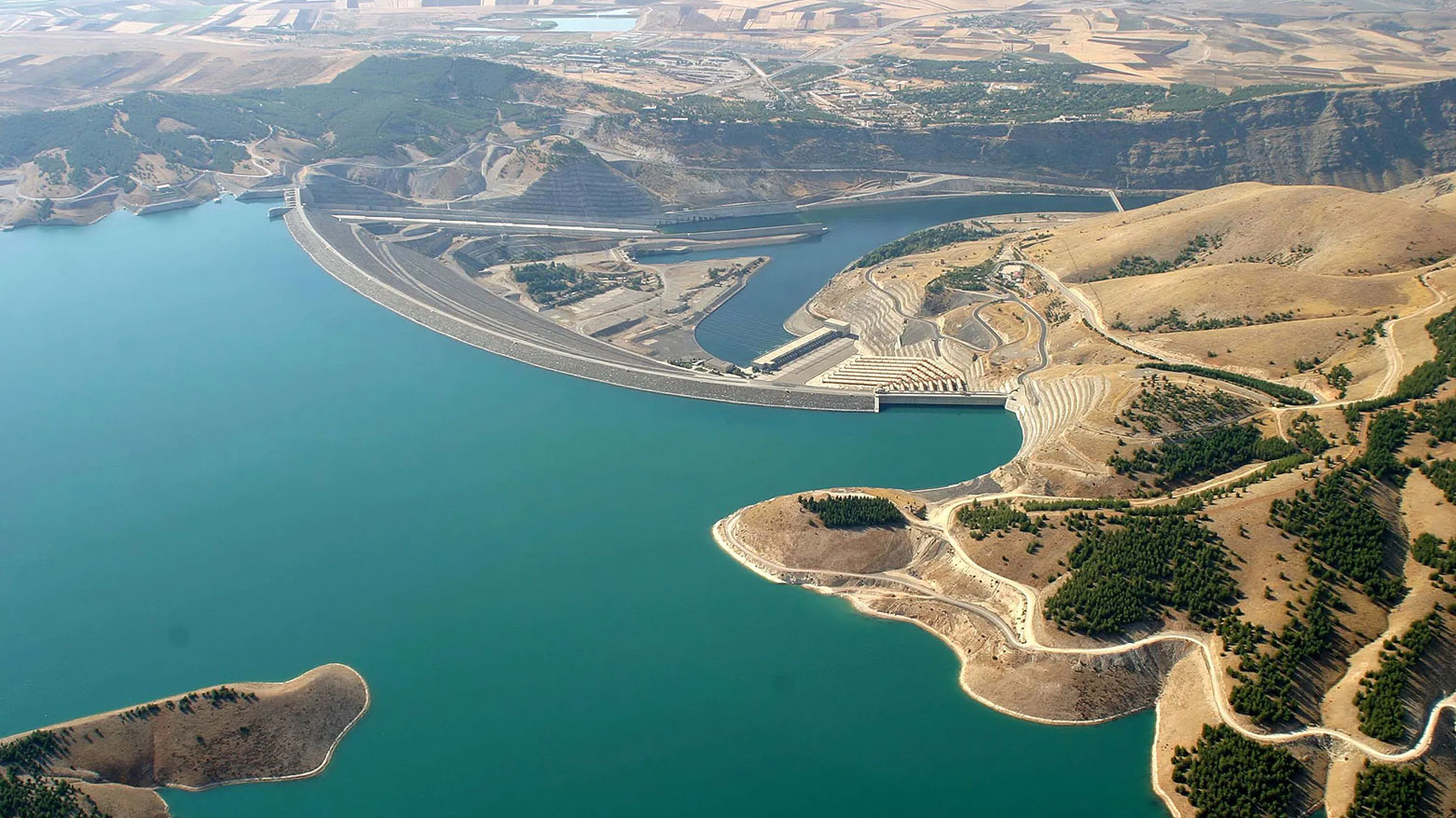
ERBIL (Kurdistan24) - The water level of the Euphrates River within Iraqi territory is set to rise significantly following a controlled release of water from Türkiye's Atatürk Dam on Friday. The opening of the gates, confirmed by Türkiye's General Directorate of State Hydraulic Works, marks the first such release from the country's largest dam in seven years.
The decision follows a season of heavy rain and snowfall that pushed the reservoir to maximum capacity, prompting authorities to discharge water to mitigate the risk of overflow.
The release carries substantial hydrological and environmental implications for downstream Iraq, a country that relies heavily on transboundary rivers for its national water supply.
The influx of water is expected to alleviate some of the acute drought conditions that have plagued the Iraqi stretch of the Euphrates in recent years.
However, hydrological experts warn that Iraqi authorities must rapidly coordinate preparations to manage the surge in volume and prevent sudden, localized flooding in communities situated along the river's course.
The development highlights the broader structural reality of Iraq's water security, which is inextricably linked to the dam operations and policies of its upstream neighbors. This dependency underscores the strategic priorities outlined by Iraq's new Minister of Water Resources, Muthanna al-Tamimi.
According to a recent report by the Iraqi News Agency (INA), al-Tamimi emphasized during his swearing-in ceremony that his administration will prioritize diplomacy to guarantee national water quotas.
In reporting by INA journalist Hassan al-Fawwaz, the minister stated that Iraq must develop robust relations with source countries, specifically citing Türkiye and Iran, to ensure stable water storage and safeguard the nation's environmental and food security.
Controlled Release from Atatürk Dam
The discharge from the Atatürk Dam is a rare operational event.
According to reports, this marks only the third time in the past 22 years that the facility's gates have been opened for controlled release, with the most recent occurrence taking place in 2019.
The sheer volume of the dam means that its operational status directly dictates the flow rate of the Euphrates as it crosses the border into Syria and subsequently into Iraq.
The influx of water arrives at a critical juncture for Iraq.
Over the past several years, the country has suffered from severe drought and consistently low river levels, which have severely impacted agricultural output, degraded marshland ecosystems, and threatened municipal water supplies.
While the current release provides an opportunity to replenish depleted reservoirs and revitalize agricultural zones, it requires precise infrastructural management by Iraqi authorities to safely channel the increased flow.
Water Security Policy Emphasized
The management of this incoming water will fall under the purview of the Ministry of Water Resources, which is currently undergoing a leadership transition.
During his inaugural press conference, Minister al-Tamimi outlined a comprehensive approach to the country's water challenges.
"Work in the Ministry of Water Resources entails a doubled responsibility, given that the country suffers from problems related to water that directly touch the life of the citizen," al-Tamimi said, according to INA.
The minister characterized the institution as "sovereign and vital," explicitly linking its mandate to the provision of national water, environmental, and food security.
Al-Tamimi indicated that his approach will build upon the foundational work established by his predecessor, Aoun Diab.
The new minister stressed that future strategy will focus heavily on international engagement.
According to the INA report, al-Tamimi plans to strengthen direct relations with water administrations in neighboring states, operating in tandem with the Ministry of Foreign Affairs, to secure firm water quotas.
Institutional Continuity
The transition at the Ministry of Water Resources has been framed as one of institutional continuity. Former Minister Aoun Diab, who attended the handover ceremony, pledged ongoing communication and cooperation with the new administration.
"The new minister will be a worthy successor in following the file of managing water resources in Iraq, which is considered one of the most prominent challenges facing the country in the current phase," Diab stated, according to INA.
Both officials emphasized that the successful management of Iraq's water resources is a critical issue that directly impacts the daily lives of citizens across urban and rural environments.
As the increased volume from the Atatürk Dam progresses downstream, the immediate focus for Iraqi authorities will remain on managing the flow to prevent flood damage while maximizing storage.
The event underscores the continuing challenge of cross-border water governance in the region, where seasonal variability and upstream infrastructure require constant diplomatic and technical coordination.