Iran’s Supreme Leader Accuses US and Israel of Seeking to Destabilize Islamic Republic
Mojtaba Khamenei calls for national unity amid ongoing regional tensions following the war with Israel and the United States
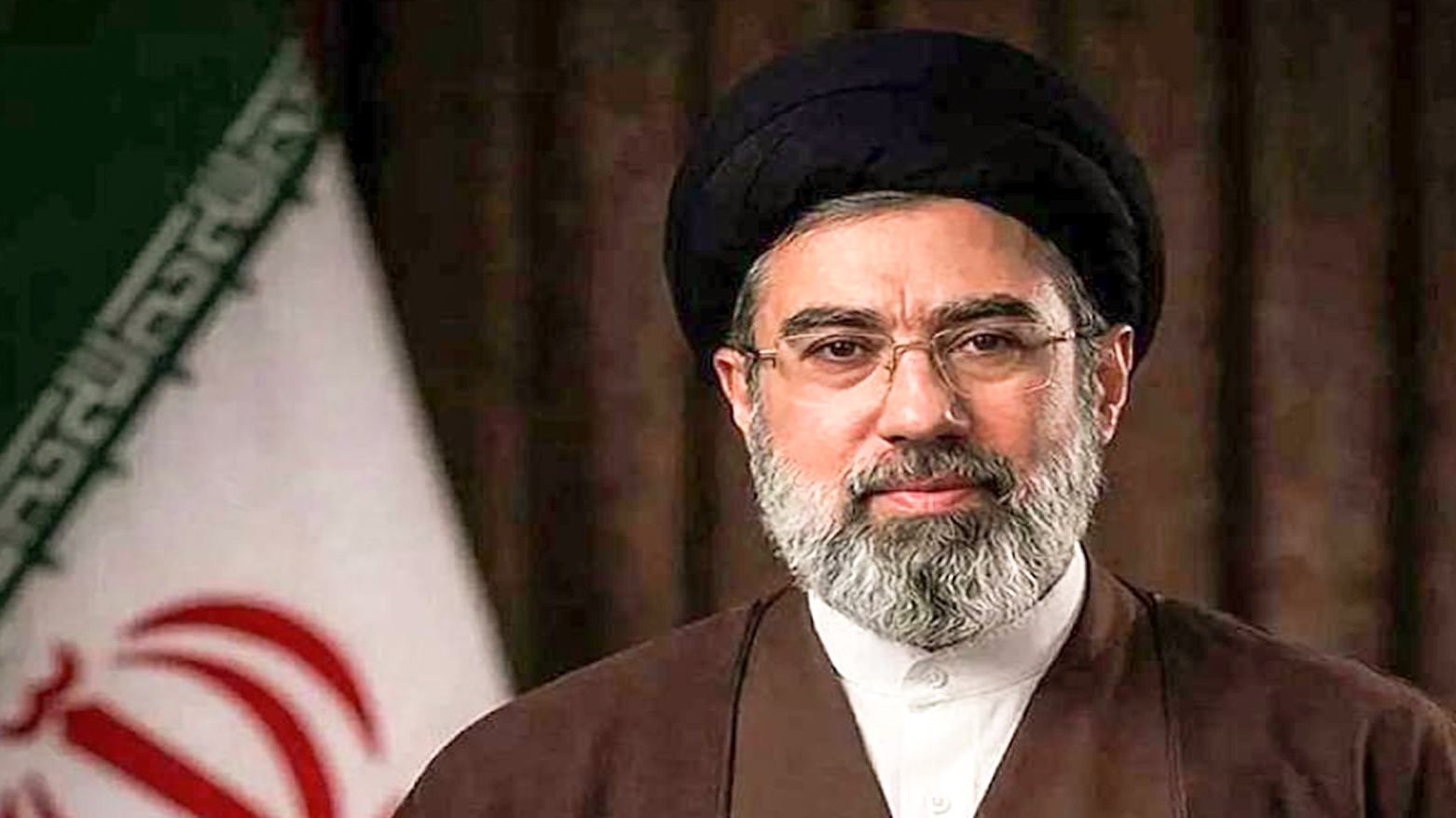
ERBIL (Kurdistan24) — Iran’s Supreme Leader Ayatollah Mojtaba Khamenei on Thursday accused the United States and Israel of attempting to destabilize the Islamic republic and weaken national unity following months of war and escalating regional tensions.
In a written message read on Iranian state television marking the anniversary of the founding of Iran’s parliament, Khamenei said Washington and Tel Aviv were pursuing a broader strategy aimed at creating internal divisions after failing to achieve their objectives militarily.
“The enemy's blind plan, after the imposed war, the economic pressure, and the political and propaganda siege, is to create divisions and disintegration in order to compensate for military defeats and bring the nation to its knees,” Khamenei said in the statement.
He called on Iranians to preserve “cohesion” and national solidarity in the face of external pressure and what he described as coordinated political, economic, and media campaigns against the country.
The message marked one of Khamenei’s most significant public remarks since assuming office in March. The 56-year-old cleric succeeded his father, former Supreme Leader Ayatollah Ali Khamenei, who was killed on February 28 during the opening phase of coordinated US-Israeli strikes on Iran.
Those strikes triggered a broader regional conflict involving Iran, Israel, and allied armed groups across the Middle East, leading to months of military escalation, attacks on strategic infrastructure, and heightened tensions in the Gulf region.
Mojtaba Khamenei has largely remained out of public view since taking office, with his written statement on Thursday offering a rare direct message amid continuing diplomatic and security uncertainty.
His comments come as reports continue to circulate regarding indirect diplomatic contacts between Tehran and Washington aimed at preventing further escalation and potentially negotiating broader regional arrangements following the war.
Iranian officials have repeatedly accused the United States and Israel of seeking regime destabilization through sanctions, military pressure, and support for internal dissent, allegations both countries have denied.
The latest statement reflects Tehran’s continued effort to frame recent regional conflicts as part of a wider struggle against foreign interference while emphasizing domestic unity during a period of economic strain and geopolitical uncertainty.