Iran Suspends Indirect Talks with U.S. as Middle East Conflict Escalates
Tasnim reported that Tehran's decision was linked to what it described as Israel's continued military actions in Lebanon and the collapse of conditions that had been considered essential for a ceasefire.
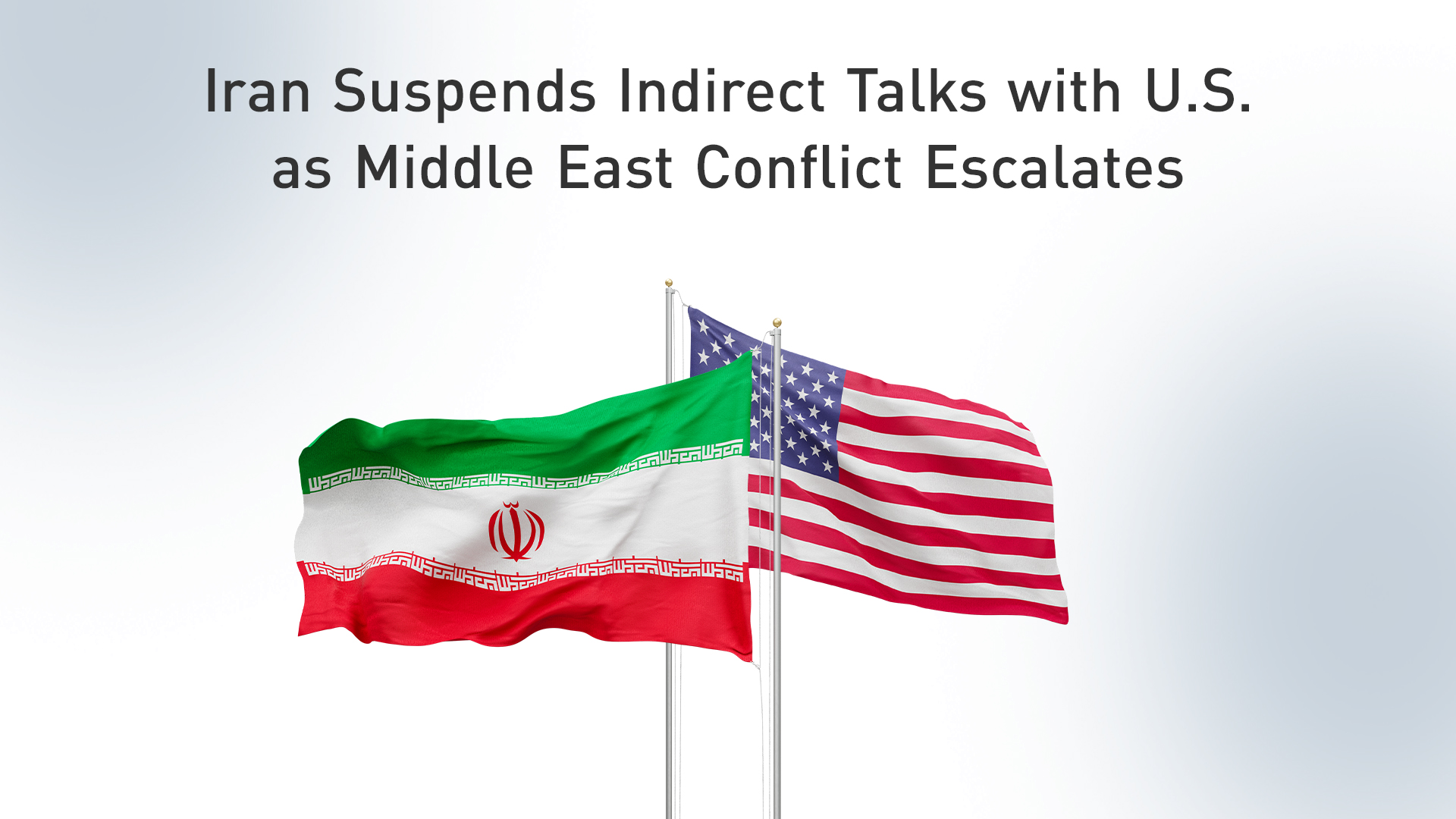
ERBIL (Kurdistan24) – Iran has suspended all exchanges with the United States conducted through mediators, according to the Iranian news agency Tasnim on Monday, signaling a further setback to diplomatic efforts aimed at ending the ongoing conflict in the Middle East.
Tasnim reported that Tehran's decision was linked to what it described as Israel's continued military actions in Lebanon and the collapse of conditions that had been considered essential for a ceasefire.
"Given the continuing crimes of the Zionist regime in Lebanon and considering that Lebanon was one of the preconditions for the ceasefire and that this ceasefire has now been violated on all fronts, including Lebanon, the Iranian negotiating team is suspending dialogues and the exchange of texts through mediators," the agency quoted Iranian officials as saying.
The announcement comes after several rounds of indirect negotiations between Tehran and Washington failed to produce a breakthrough toward ending the regional conflict. The two sides remain divided on key issues, while military confrontations continue across multiple fronts.
The suspension of communications raised fresh concerns about the prospects for de-escalation, as Iran and the United States have relied on intermediaries to exchange messages and proposals throughout the crisis.
Financial markets reacted swiftly to the development, with global oil prices climbing sharply amid fears that the conflict could further disrupt energy supplies from the region.
At around 1:30 p.m. GMT, Brent crude for August delivery rose 4.9 percent to $95.60 per barrel after briefly gaining more than 5 percent. U.S. benchmark West Texas Intermediate crude for July delivery jumped 5.9 percent to $92.55 per barrel.
Tensions in the Middle East have intensified in recent months as hostilities have expanded beyond Gaza to include Lebanon and other regional fronts. International efforts led by regional and global powers have sought to secure a ceasefire and prevent a broader conflict, with indirect U.S.-Iran contacts playing a key role in diplomatic efforts.
However, continued fighting and mutual accusations of ceasefire violations have complicated negotiations. The latest suspension of exchanges between Tehran and Washington underscores the growing challenges facing diplomatic initiatives as the conflict continues to fuel instability across the region and unsettle global energy markets.