Iraq's Healthcare System Paralyzed as Over 5,000 Medical Graduates Launch Nationwide Strike
More than 5,000 young doctors have shut down hospitals across Iraq in a coordinated strike, exposing a collapsing system. Kurdistan24 correspondent Dilan Barzan reports it is now spilling into an urgent nationwide healthcare crisis.
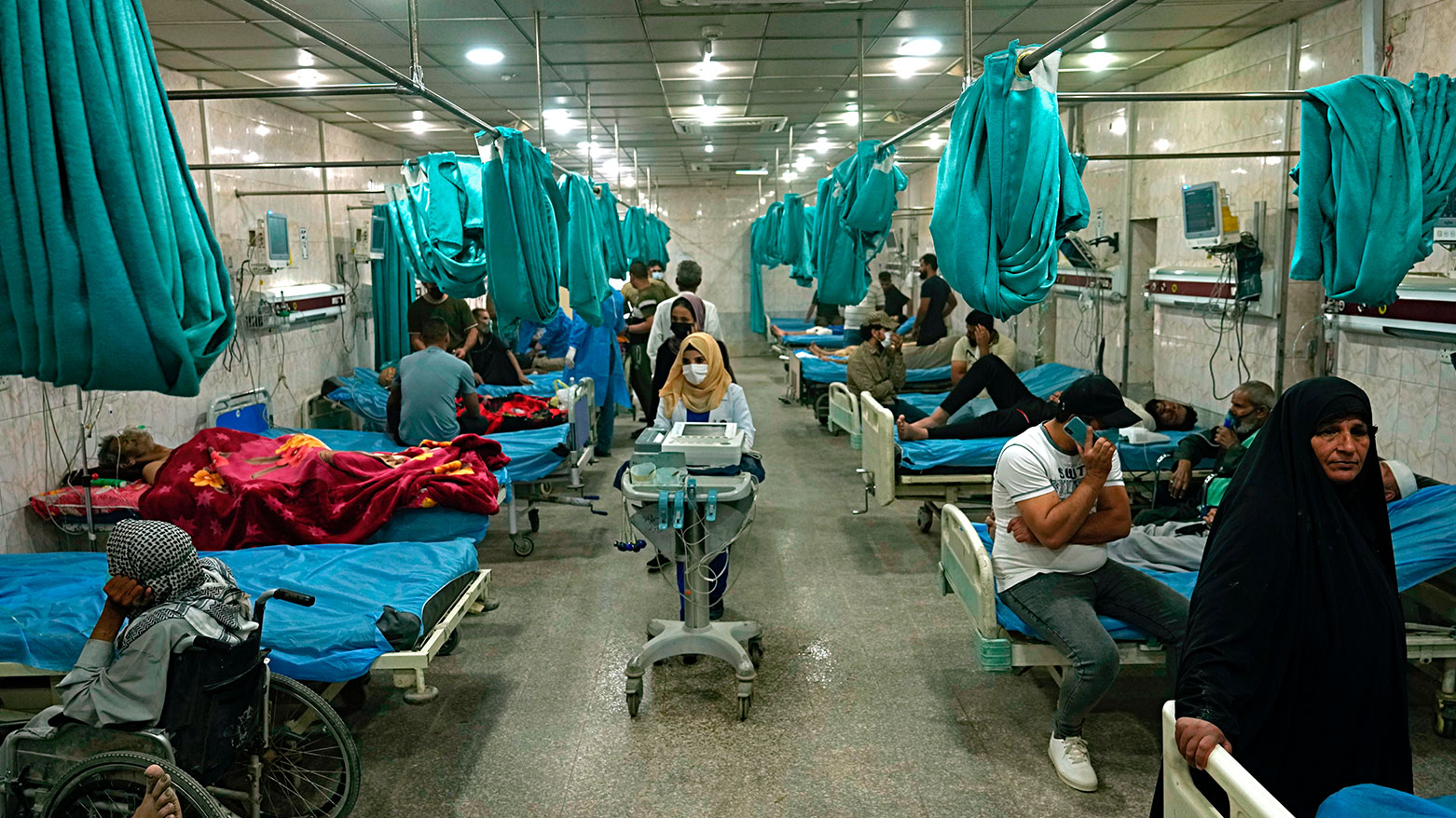
ERBIL (Kurdistan24) - More than 5,000 newly graduated doctors have initiated a coordinated, nationwide strike across Iraq, effectively crippling public hospitals and exposing deep-seated administrative failures within the country's public health apparatus.
As reported on Tuesday by Kurdistan24 correspondent Dilan Barzan, the mass walkout stretches from the northern city of Mosul to the southern port of Basra, creating an urgent medical crisis that threatens to overwhelm an already strained healthcare system.
The unprecedented mobilization underscores growing frustration among young professionals over Iraq's public sector management.
Core Grievances of Medical Graduates
The striking physicians, all hailing from the medical class of 2024, have abandoned their posts over severe employment disputes and a mounting financial crisis.
According to Dilan Barzan's on-the-ground reporting, these medical professionals are legally entitled to permanent positions within the centralized state employment system. Instead of receiving secure placements, authorities have only issued them precarious four-month contracts as rotating resident doctors.
Exacerbating this job insecurity is a severe financial shortfall.
The young doctors are expected to survive on a meager monthly stipend of approximately 420,000 Iraqi dinars, roughly $320.
However, even this nominal compensation has been withheld for four consecutive months.
Entering their fifth month of uncompensated labor, the doctors argue that the government has fundamentally breached its institutional obligations.
Impact on Iraq's Healthcare System
The abrupt withdrawal of thousands of frontline medical workers has triggered widespread disruptions across Iraq's public hospitals, emergency rooms, and local health centers.
The sudden vacuum has sparked public alarm, with citizens circulating videos across social media platforms that depict hospital wards and emergency wings entirely devoid of medical staff.
This walkout compounds the systemic pressures already weighing heavily on Iraq's fragile healthcare infrastructure, highlighting the state's dangerous reliance on underpaid and overworked junior staff to maintain daily, lifesaving operations.
Voices from the Strikes
For the striking physicians, the work stoppage represents a desperate last resort following months of unheeded pleas and bureaucratic indifference.
"As members of the class of 2024, we work far more hours than other civil servants, yet we are denied the most basic rights of pay and permanent employment," one participating doctor stated, according to Dilan Barzan's dispatches.
The core demands of the protest movement remain resolute and uncompromising: the immediate disbursement of all withheld back pay and the formal reinstatement of their legal right to permanent state employment, ensuring long-term job security.
Government and Ministry Response
Facing mounting public pressure and the sudden paralysis of critical care wards, the Iraqi Ministry of Health has scrambled to address the escalating crisis.
According to reports gathered by Barzan, the Minister of Health has publicly promised to swiftly resolve the outstanding grievances and release the withheld funds.
However, these assurances have failed to mollify the disillusioned medical staff.
The doctors remain deeply unconvinced by verbal commitments and are maintaining their strike action on the grounds that continuing to work under such financially unsustainable and legally ambiguous conditions is no longer viable.
Escalation and Future Risks
The standoff carries profound risks for the nation's overall health security.
Representatives of the striking doctors, as detailed by Barzan, have issued stark warnings to the Iraqi Prime Minister and federal health authorities, cautioning that a prolonged walkout will directly endanger public health across the provinces.
Furthermore, the protesting graduates warned that if concrete actions are not taken to resolve their demands, they are prepared to aggressively escalate their protest actions beyond the current hospital walkouts.
This nationwide strike reflects broader, systemic challenges regarding public sector employment and the chronic mismanagement of human resources within Iraq's healthcare framework.
The government's inability to absorb and adequately compensate highly trained medical graduates underscores the bureaucratic friction that continually stalls the nation's institutional development.
As negotiations between the striking physicians and government authorities remain unresolved, Iraq's healthcare delivery continues to face severe paralysis.
Resolving this employment and salary dispute has now become an urgent national imperative, necessary not only to satisfy the rightful demands of the doctors but to stabilize a medical system teetering on the edge of dysfunction.
|
Summary Over 5,000 medical graduates from the class of 2024 have launched a nationwide strike across Iraq over four months of unpaid salaries and contract disputes. Kurdistan24 correspondent Dilan Barzan reports the walkout has severely disrupted public hospitals and healthcare services nationwide. |