KRG Allocates Billions of Dinars to Strengthen Cancer Care, Health Minister Says
Hewa Hospital receives 25 billion dinars for medicines and over 3 billion for medical equipment as government expands oncology services
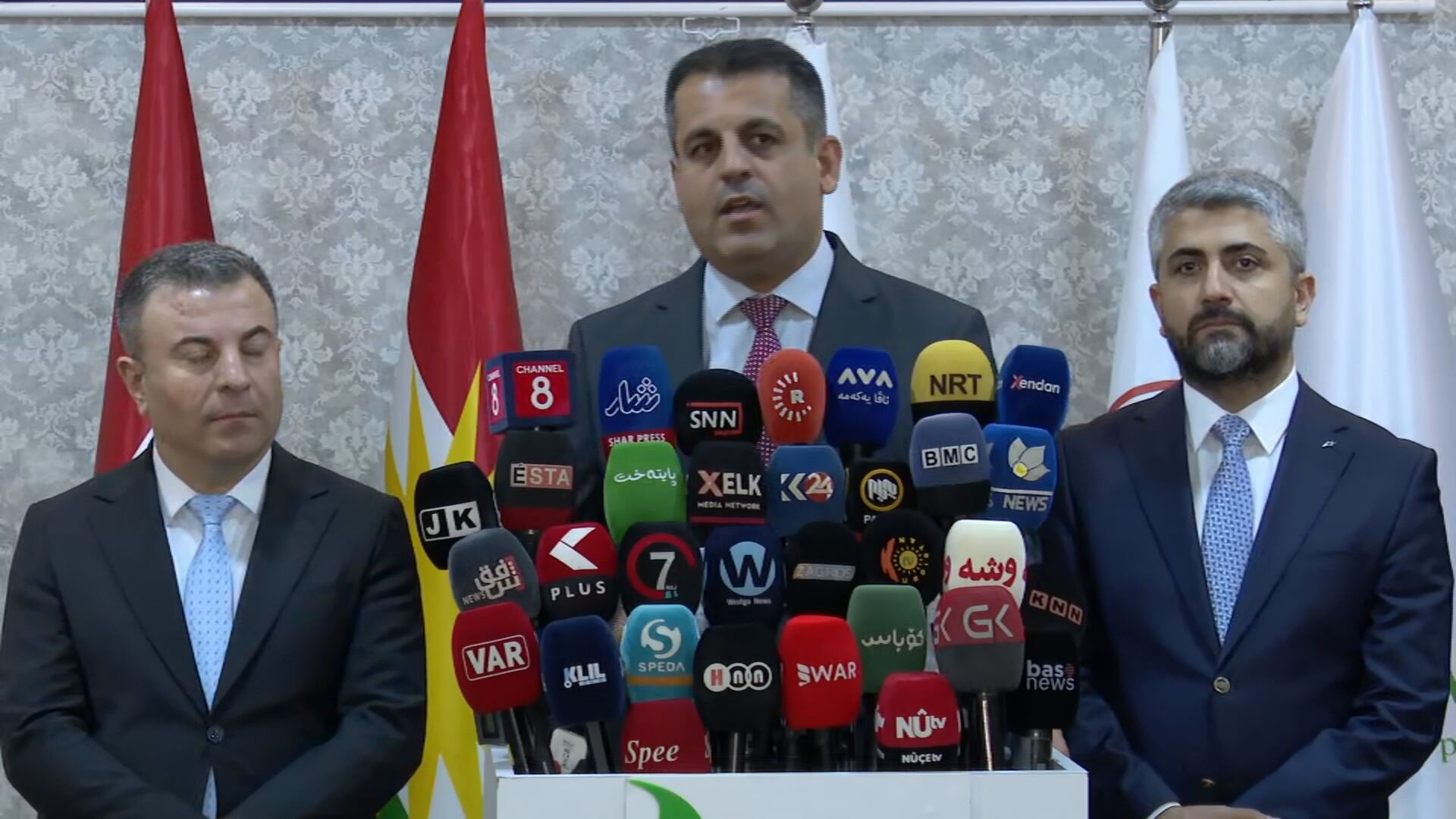
ERBIL (Kurdistan24) — The Kurdistan Regional Government (KRG) has allocated 25 billion Iraqi dinars for cancer medicines and more than 3 billion dinars for medical equipment at Hewa Hospital in Sulaimani for 2025, as part of broader efforts to strengthen oncology services across the Kurdistan Region, Health Minister Saman Barzinji announced on Tuesday.
Speaking during a press conference at Hewa Hospital, Barzinji said the visit was aimed at reviewing the availability of medicines, medical equipment, and other daily requirements at one of the region's leading cancer treatment centers.
"We are here today to assess the status of medicines, equipment, and daily medical needs," Barzinji said, expressing appreciation for the Kurdistan Region's Aid Fund, the Sulaimani Directorate of Health, and healthcare administrators for their continued efforts to improve services.
The minister outlined the government's financial commitments to cancer care, stating that 25 billion Iraqi dinars had been allocated in 2025 to procure medicines for Hewa Hospital, while more than 3 billion dinars had been dedicated to purchasing medical equipment.
He added that during the first six months of 2026 alone, the KRG had spent nearly 12 billion Iraqi dinars on medicines and other medical supplies for the hospital.
Barzinji said the Ministry of Health plans to further expand cancer treatment centers across the Kurdistan Region to improve healthcare services and reduce the burden on patients.
He also highlighted a strategic project to modernize wastewater treatment systems in hospitals, noting that hospital wastewater requires specialized treatment different from domestic sewage.
"This is a vital project, and we are implementing it in cooperation with UNICEF as one of our priority initiatives," he said.
The minister also acknowledged the support of international organizations and donors, announcing that the King Salman Humanitarian Aid and Relief Center (KSrelief) had supplied approximately $5 million worth of medical equipment to hospitals across the Kurdistan Region.
He emphasized that cancer patients require both medical treatment and sustained psychological and financial support from society.
At the conclusion of the press conference, Barzinji thanked Kurdistan Region Prime Minister Masrour Barzani for prioritizing healthcare funding since the formation of the ninth KRG cabinet.
According to the minister, the government has allocated dedicated budgets to cancer hospitals and treatment centers while ensuring the continuous supply of essential medicines.
He also said Prime Minister Barzani has approved plans to build new hospitals in districts, sub-districts, and independent administrations to expand access to healthcare services.
Cancer care has become a strategic priority for the Kurdistan Regional Government as the number of patients requiring specialized treatment continues to rise.
Hewa Hospital in Sulaimani is the Kurdistan Region's principal oncology center, receiving patients from across Iraq for chemotherapy, radiotherapy, and specialized cancer treatment.
In recent years, the KRG has increased investment in oncology services, expanded access to advanced medical equipment, and strengthened partnerships with international organizations to improve treatment capacity and reduce the financial burden on cancer patients.