Iranian Lawmaker Says Tehran Preparing for Possible New Conflict with US, Rejects Nuclear Concessions
Parliamentary security committee spokesperson tells Kurdistan24 that indirect contacts with Washington continue through mediators, while Iran remains firm on its nuclear program
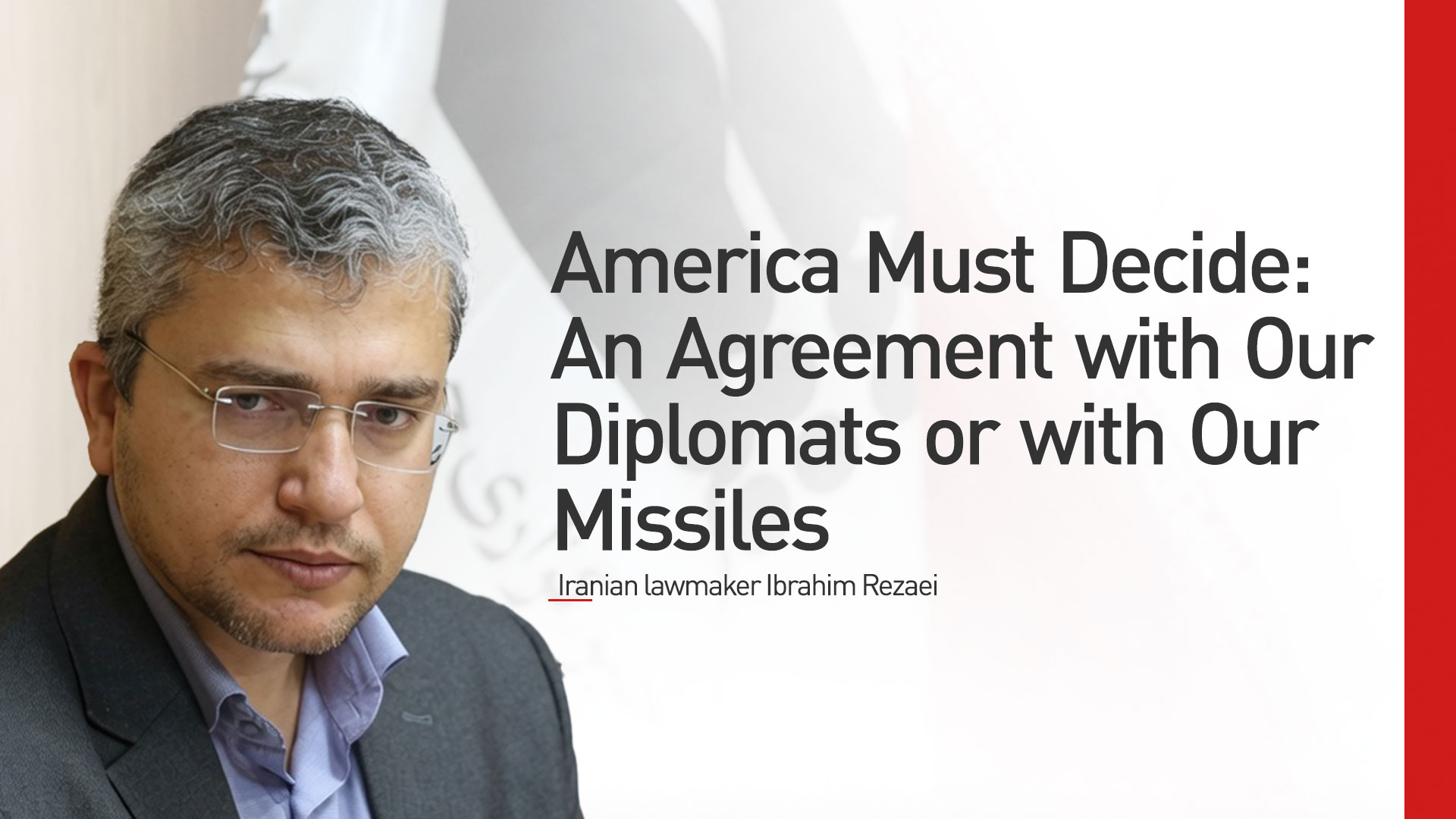
ERBIL (Kurdistan24) — Iran is preparing for the possibility of renewed military confrontation with the United States while maintaining indirect channels of communication with Washington, a senior Iranian lawmaker told Kurdistan24 on Thursday.
In an exclusive interview with Kurdistan24, Ibrahim Rezaei, spokesperson for the National Security and Foreign Policy Committee of Iran's parliament, said there are currently no direct contacts between Tehran and Washington, with messages instead being exchanged through regional mediators.
According to Rezaei, Pakistan has emerged as one of the principal intermediaries facilitating communication between the two sides, alongside several other countries in the region.
Despite ongoing indirect contacts, the Iranian official expressed deep skepticism about the prospects for a breakthrough with the United States, citing what he described as a history of mistrust.
"Our experience shows that the Americans are not trustworthy," Rezaei said. "They attacked us during previous rounds of negotiations. Therefore, we are preparing ourselves for another war with the Americans, and our primary focus is on strengthening defensive readiness against any hostile action."
He also issued a stern warning to Washington, saying the future course of relations depends on decisions made by the United States.
"Our framework and red lines are clear," he said. "America must decide whether it wants an agreement with our diplomats or with our missiles."
Rezaei added that Tehran views recent U.S. positions as contradictory and said Iran remains uncertain about Washington's intentions.
Gulf Relations Under Strain
Discussing Iran's relations with neighboring Gulf states, Rezaei described ties with countries such as Oman and Qatar as being at their highest levels, highlighting recent diplomatic exchanges between senior officials.
At the same time, he criticized several Gulf countries that he said had aligned themselves too closely with Washington during recent regional conflicts.
"We had no disputes with these countries," he said. "However, during the recent war imposed on us, they placed their territory and capabilities at the service of our enemies."
Rezaei specifically referenced attacks launched against Iran from facilities in Kuwait, arguing that Tehran could not ignore such actions and was compelled to respond.
He called on Gulf governments to pursue independent policies rather than act under what he described as American and Israeli influence.
"We expect Gulf countries to make sovereign decisions based on the interests of their Muslim populations, not according to American interests," he said.
Despite his criticism of some regional governments, Rezaei emphasized that Iran maintains close and friendly relations with the peoples of neighboring countries.
Blames Conflict on Support for Palestinians
Addressing the causes of recent military tensions involving Iran, the parliamentarian argued that Tehran's support for the Palestinian cause was a key factor behind attacks by the United States and Israel.
"The only crime of the Islamic Republic of Iran was supporting the oppressed children of Gaza," he said. "Unfortunately, some countries in the region stood alongside the Zionist perpetrators instead of supporting them."
Rezaei claimed that Iran's position on Palestine remains one of the principal reasons behind the military pressure exerted by Israel and the United States.
Tehran Rules Out Nuclear Compromise
Rezaei also reaffirmed Iran's commitment to its nuclear program, rejecting any suggestion that Tehran would relinquish what it considers its nuclear rights under military pressure.
"We will not abandon our nuclear rights under any circumstances," he said.
The Iranian lawmaker described the country's nuclear industry as a strategic national asset for which Iran has paid a significant price, arguing that efforts to destroy the program through military means had failed.
"Today, after our enemies have used all their capabilities, including military force, and still failed to eliminate our nuclear industry, we see no reason to make concessions in the nuclear field," he said.
Rezaei reiterated Iran's longstanding position that its nuclear activities are exclusively peaceful, noting that the International Atomic Energy Agency has conducted thousands of inspections over the years.
He said Tehran sees no justification for granting concessions on its nuclear program amid continued regional tensions and external pressure.
The remarks come as tensions remain high between Iran and the United States, with diplomatic efforts struggling to produce a breakthrough and both sides continuing to exchange sharp rhetoric over security and nuclear issues.