IAEA Raises Concerns Over Limited Access to Iran's Nuclear Sites
The UN nuclear watchdog called on Tehran to engage “constructively” and allow the agency to resume its verification activities without delay.
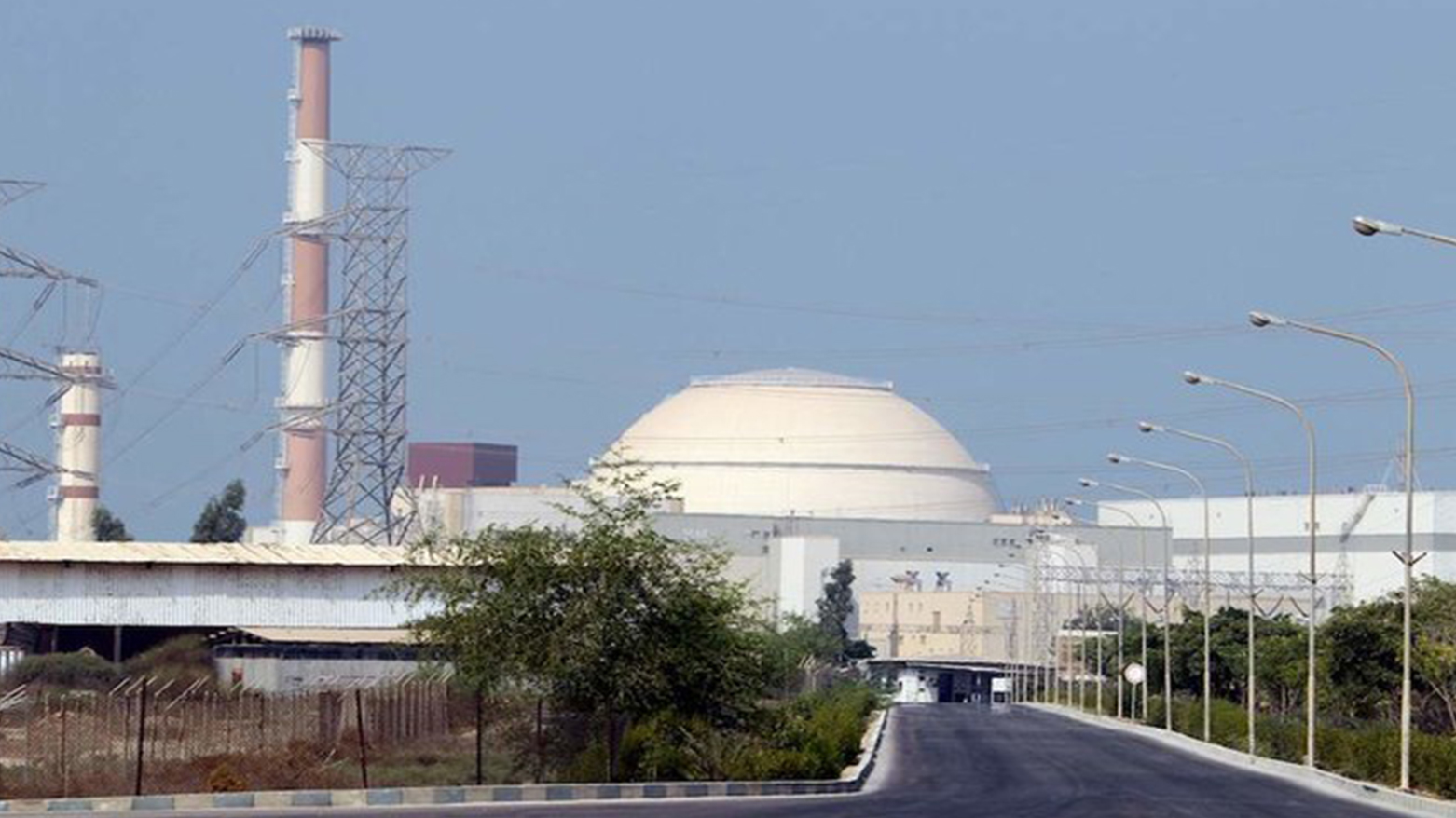
ERBIL (Kurdistan24) – The International Atomic Energy Agency (IAEA) has reiterated concerns over its limited access to Iran’s nuclear materials and facilities, warning that the situation poses a potential proliferation risk, according to a confidential report reviewed by AFP on Thursday.
The UN nuclear watchdog called on Tehran to engage “constructively” and allow the agency to resume its verification activities without delay.
The IAEA has been unable to access several key nuclear facilities since Israel, backed by the United States, launched a 12-day military campaign against Iran in June 2025 that included strikes on nuclear sites. Additional nuclear facilities have also been affected by the conflict that erupted on February 28 this year.
Despite the restrictions, a diplomatic source said the agency has observed no recent activity at major nuclear sites, including Isfahan and Natanz, based on satellite imagery. The source noted that the IAEA had detected “no more movement” at those facilities since the outbreak of the current war.
The report said IAEA inspectors conducted a visit this week to the Bushehr nuclear power plant, which was built and operated with Russian assistance for civilian purposes. The facility was among the sites targeted during the conflict.
The agency acknowledged that military attacks on Iran’s nuclear infrastructure had created an “unprecedented situation,” but stressed the importance of restoring monitoring efforts.
“While the agency acknowledged that the military attacks on Iran’s nuclear facilities and sites have created an unprecedented situation, it is critical for the agency to conduct verification activities in Iran without delay,” the report stated.
Meanwhile, CNN reported on Sunday that satellite images indicate Iran has reopened 50 of the 69 tunnel entrances that were struck by U.S. and Israeli attacks at 18 underground missile facilities.
The IAEA’s findings are expected to be discussed during a meeting of the agency’s Board of Governors next week.