Iran Faces World Cup Visa Uncertainty as U.S. Restrictions Complicate Tournament Plans
Iranian team relocates to Mexico amid visa delays, while Washington moves to block Revolutionary Guards-linked individuals from entering the United States
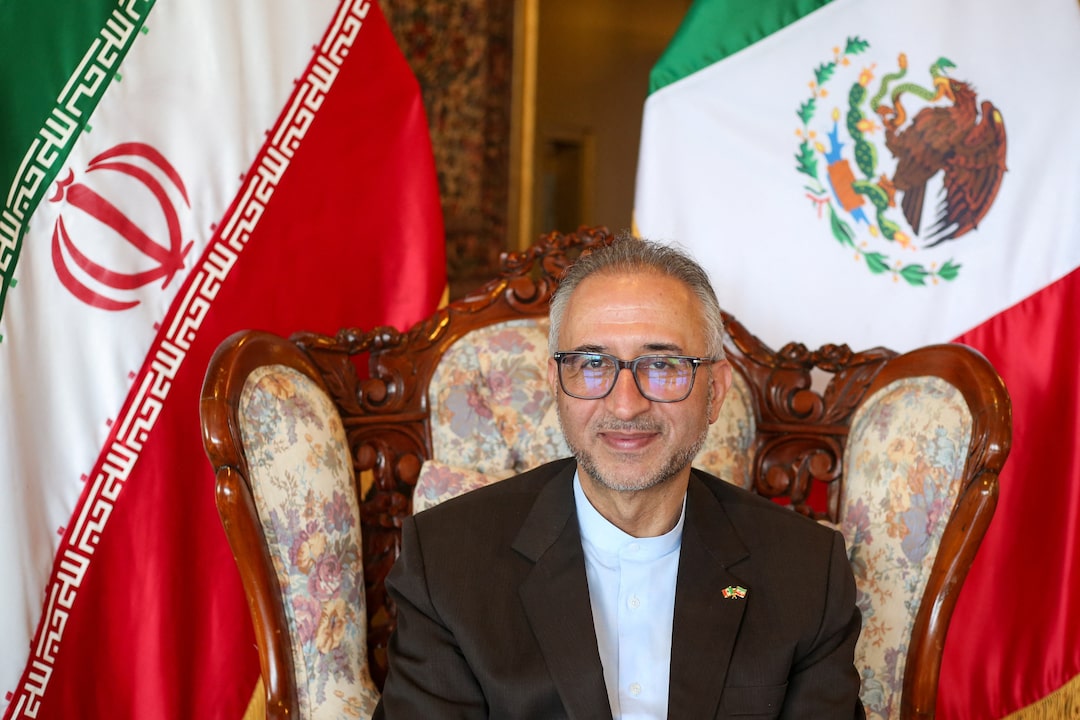
ERBIL (Kurdistan 24) – Iran’s national football team is facing growing uncertainty ahead of the 2026 FIFA World Cup after visa delays forced the squad to relocate its training base to Mexico, raising concerns about its ability to fully participate in matches hosted in the United States.
Speaking to Reuters in Mexico City on Friday, Iranian Ambassador to Mexico Abolfazl Pasandideh said the team had still not received U.S. visas just ten days before its opening World Cup match against New Zealand in Los Angeles on June 15.
“We will keep trying until the final moment to enter and play,” Pasandideh said, describing weeks of uncertainty and last-minute logistical changes.
According to the ambassador, Iran was forced to move its World Cup base from Arizona to Tijuana, Mexico, as visa complications persisted amid ongoing tensions between Tehran and Washington. The team is expected to stay in Tijuana and travel to the United States only for match days, returning to Mexico immediately afterward.
The situation comes as the United States and Iran remain engaged in indirect negotiations aimed at ending a conflict that began on Feb. 28, 2026. Despite ongoing diplomatic contacts, progress has been slow. Iranian Foreign Minister Abbas Araghchi said on June 3 that no “tangible progress” had been achieved in efforts to end the war.
Adding to the uncertainty, U.S. Secretary of State Marco Rubio told lawmakers on June 2 that Washington would not permit individuals linked to Iran’s Islamic Revolutionary Guard Corps (IRGC) to be part of the country's World Cup delegation. The policy could affect some Iranian players who completed mandatory military service associated with the organization.
Pasandideh criticized the restrictions, arguing that sports should serve as a bridge between nations rather than become entangled in geopolitical disputes.
“Sport and the World Cup were created to bring nations closer together,” he said. “But we are not witnessing that right now.”
The ambassador nevertheless described Iran’s participation in the tournament as a sign that Tehran seeks a peaceful resolution to the conflict despite continuing hostilities.
The 2026 tournament marks the first World Cup in history in which a host nation is set to welcome a country with which it is simultaneously engaged in an active conflict. The situation has transformed what is normally a sporting event into another arena for diplomatic and political tensions between the two countries.
Iran is scheduled to face New Zealand and Belgium in Los Angeles before taking on Egypt in Seattle. However, uncertainty surrounding visas, transportation, and security arrangements has left the team operating under significant logistical constraints.
Pasandideh said Tehran hopes relations between the two countries can eventually improve, emphasizing that Iran’s dispute is with U.S. policies rather than the American people.