Baghdad Confirms September End To Coalition Presence, Reaffirms State Authority Over Arms
The Iraqi government says the international coalition's presence will formally end in September 2026, while emphasizing national sovereignty, weapons control, and economic stability
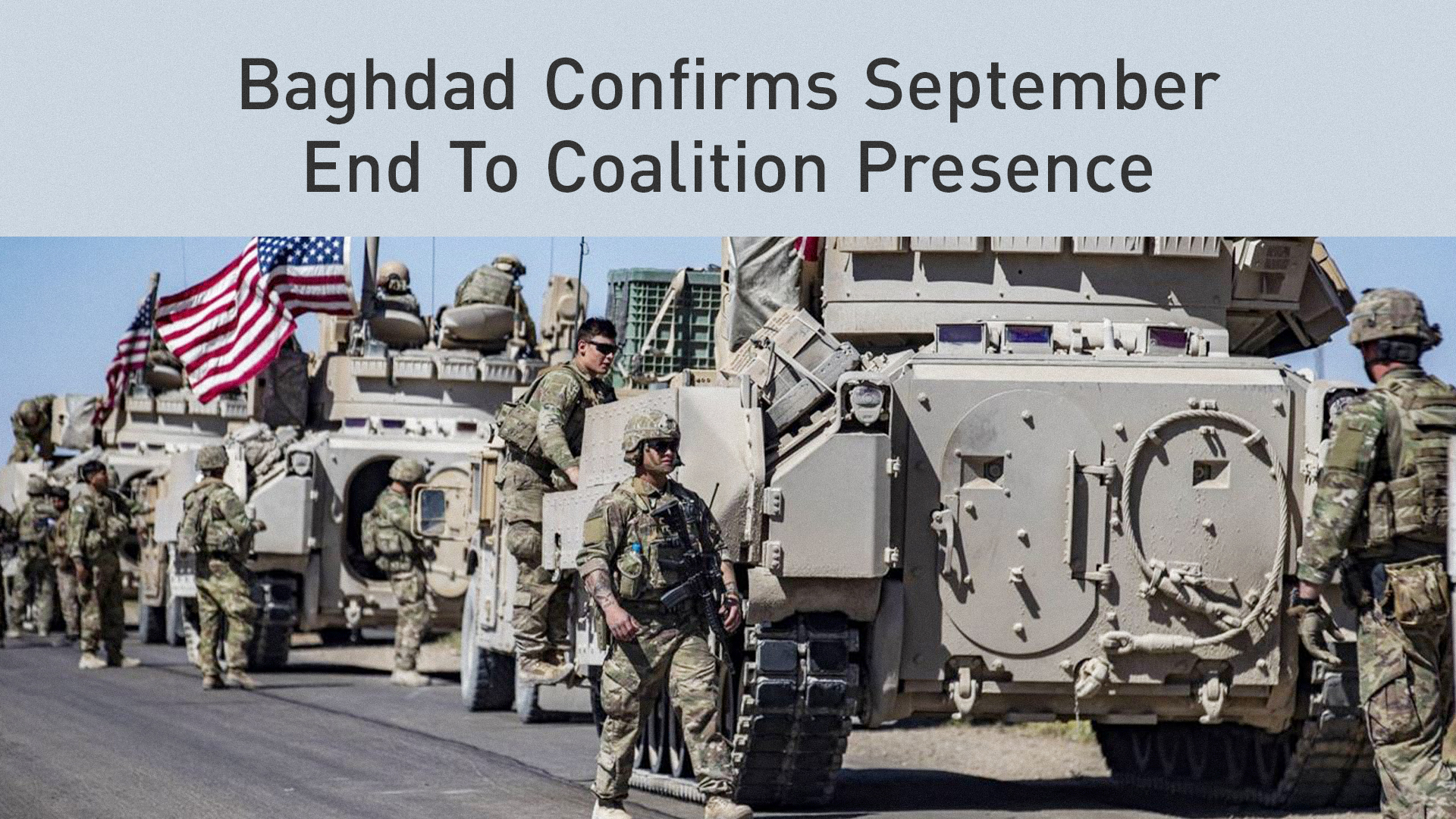
ERBIL (Kurdistan24) - Iraq's government announced that September 2026 will mark the official end of the international coalition's military presence in the country, describing the move as a reflection of Iraq's full sovereignty and its ability to make independent strategic decisions.
Government spokesperson Haider al-Aboudi said Iraqi sovereignty remains a "red line" that is not subject to either internal or external pressures, as Baghdad prepares for the conclusion of the coalition mission later this year.
Speaking to the media, al-Aboudi praised what he described as the national response of Popular Mobilization Forces (PMF) factions regarding the issue of handing over weapons.
He stressed that efforts to place all arms under state control are aimed at preventing weapons from becoming subject to political disputes or directives.
According to al-Aboudi, the measures undertaken by national forces within the PMF were guided by full consideration of Iraq's higher national interests.
He added that placing weapons under the authority of the law helps guarantee the stability of the state and its institutions, noting that Iraq now possesses full sovereignty that enables its leadership to make major decisions without external dictates.
On domestic and service-related issues, al-Aboudi sought to reassure the Iraqi public over economic concerns, stating that government employee salaries are fully secured and protected under official financial plans.
He also said the prime minister is personally overseeing the fuel sector, particularly the operation of fuel stations, to ensure a steady supply of gasoline and prevent disruptions.
Al-Aboudi noted that the current chief executive's economic and commercial background provides him with extensive knowledge of market dynamics and economic crisis management, distinguishing the current administration from previous experiences.
Concluding his remarks, the government spokesperson highlighted the administration's approach to governance, saying that activating oversight mechanisms and continuous performance evaluations represents a fundamental pillar of efforts to improve state institutions and enhance public services.
He said ongoing monitoring and assessment remain key requirements for developing government performance and delivering better services to citizens.