Israel to Keep Forces in Gaza, Lebanon and Syria, Netanyahu Says
"We established deep security zones around the State of Israel. We did this in Gaza, in Lebanon, and in Syria," Netanyahu said during a televised press conference.
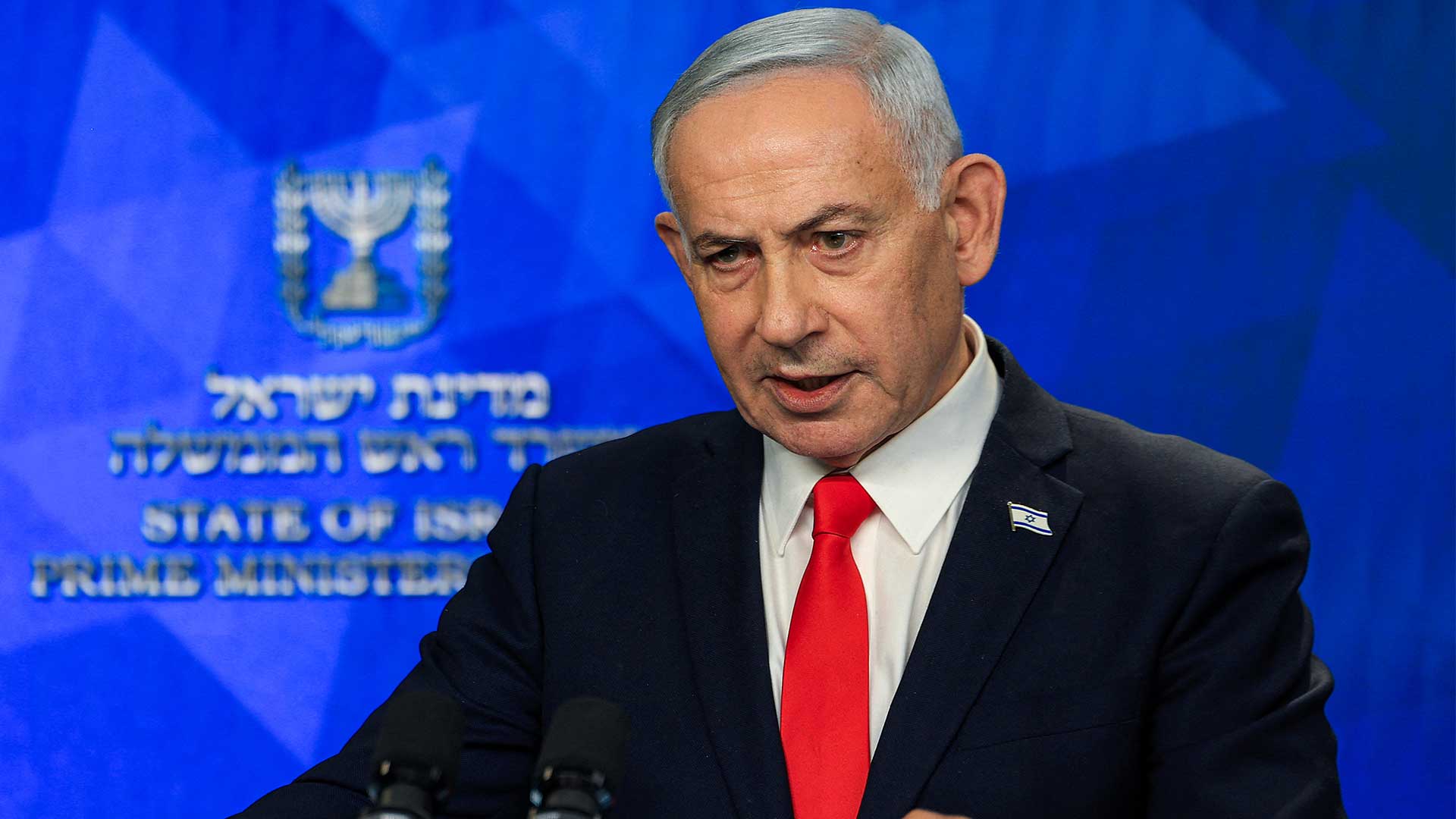
ERBIL (Kurdistan24) – Israeli Prime Minister Benjamin Netanyahu said on Monday that Israeli forces would remain deployed in Gaza, Lebanon, and Syria "for as long as necessary," stressing that the presence of the military in what he described as "security zones" was essential for protecting Israel.
"We established deep security zones around the State of Israel. We did this in Gaza, in Lebanon, and in Syria," Netanyahu said during a televised press conference. "And I want to make it clear: we will remain in these security zones for as long as necessary to protect our country."
Netanyahu's remarks came just hours after a breakthrough agreement was announced between the United States and Iran to end months of military confrontation in the Middle East, raising hopes of a broader regional de-escalation.
Under the agreement, mediated by Pakistan, Washington and Tehran have agreed to an "immediate and permanent termination" of military operations. However, the full text of the deal has not yet been made public, and further technical negotiations are expected ahead of a formal signing ceremony in Switzerland on Friday.
Earlier on Monday, US President Donald Trump said oil tankers had resumed transiting the Strait of Hormuz, signaling a gradual return to normal maritime traffic after the agreement. He also indicated that the deal would lead to the reopening of the strategic waterway and the lifting of a US naval blockade imposed on Iran.
The Strait of Hormuz, which carries roughly one-fifth of global oil and gas exports, had been effectively closed after US-Israeli strikes on Iran triggered a regional escalation. The disruption caused a sharp rise in global energy prices and prompted Tehran to introduce transit fees for commercial shipping, although it remains unclear whether those charges will continue under the new accord.
Despite the apparent easing of tensions between Washington and Tehran, Netanyahu's comments suggest that Israel intends to maintain its military posture across several fronts, underscoring ongoing security concerns even as diplomatic efforts gain momentum.