Pezeshkian Ties Iran-U.S. Talks to Compliance as Swiss Negotiations Shift to Implementation Phase
Iranian president stresses that commitments, not rhetoric, will determine the fate of a fragile diplomatic process, as negotiators establish working groups on sanctions, nuclear issues, economic recovery, and regional security following talks in Switzerland.
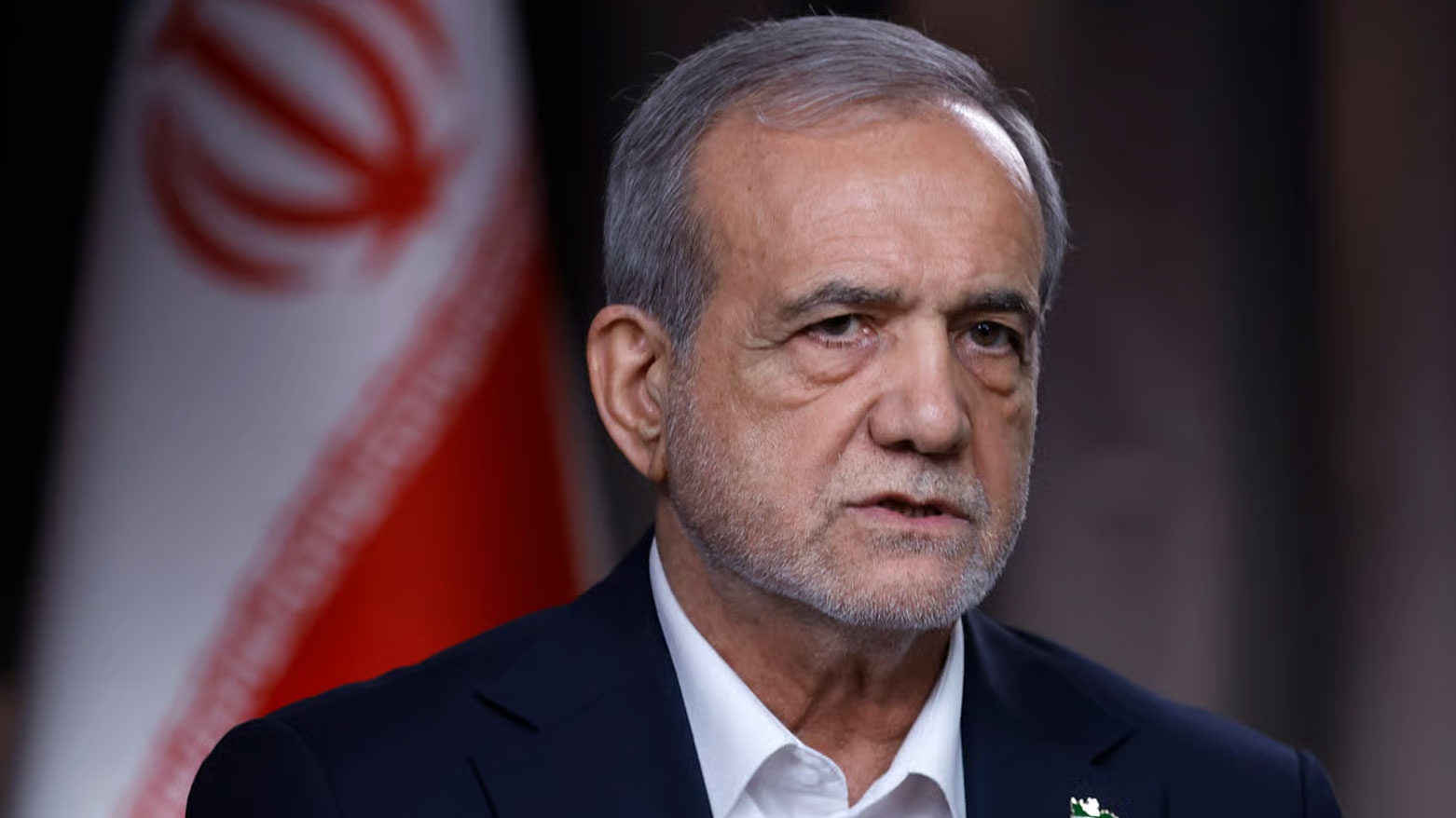
ERBIL (Kurdistan24) - Iranian President Masoud Pezeshkian on Tuesday underscored that the future of the diplomatic process between Tehran and Washington will hinge not on public statements but on the practical fulfillment of agreed obligations, as negotiations enter a new phase centered on implementation and technical follow-up.
Writing on social media platform X, Pezeshkian said the progress achieved in recent rounds of talks can only be sustained if all parties adhere fully to the frameworks already established. While acknowledging that negotiations have advanced, he stressed that the ultimate measure of success will be whether commitments are translated into concrete actions.
The Iranian president also cautioned against political rhetoric that falls outside the agreed texts, arguing that such statements do little to advance the negotiating process and risk undermining fragile momentum at a critical stage.
His remarks come as Tehran and Washington seek to transform the preliminary understandings reached during high-level negotiations in Switzerland into a broader and more durable settlement following months of regional conflict and diplomatic tensions.
According to Iranian Deputy Foreign Minister Kazem Gharibabadi, four specialized working groups have now been established to manage the most sensitive aspects of the negotiations.
The teams will focus on sanctions relief, nuclear affairs, economic reconstruction and development, and the monitoring and implementation of agreements.
The creation of these technical mechanisms signals a shift from broad political discussions toward the detailed negotiations required to sustain any long-term arrangement.
Iranian officials have also highlighted several economic measures linked to the diplomatic process.
According to Iran's Press TV, the United States has issued a general license permitting the sale of Iranian oil and petrochemical products, a move reportedly published through the U.S. Treasury Department's Office of Foreign Assets Control (OFAC).
Read More: US Temporarily Eases Iran Oil Sanctions to Support Ongoing Nuclear, Regional Talks
At the same time, Iranian officials say implementation has begun on an arrangement involving the release of $12 billion in frozen Iranian assets, with the funds expected to be transferred in two separate installments.
The developments reflect a broader effort to build confidence between the two sides as negotiations continue under a roadmap designed to produce a final agreement within a 60-day timeframe.
Swiss Talks Move Into Technical Phase
Additional details about the post-summit phase emerged through reporting by Agence France-Presse (AFP), whose coverage from Bürgenstock, Switzerland, was led by Robin Millard with contributions from AFP teams in Tehran, Washington, Beirut, and Jerusalem.
According to AFP, the technical discussions that followed the high-level diplomatic meetings have now concluded, with negotiators agreeing to establish working groups focused on sanctions and nuclear issues while continuing efforts toward a comprehensive settlement.
AFP reported that Pakistan and Qatar, which have served as mediators throughout the process, remain central to the diplomatic framework and are helping facilitate further dialogue.
The negotiations stem from a preliminary agreement reached last week between Tehran and Washington, which opened a renewable 60-day window to pursue a more comprehensive accord.
One of the most contentious issues remains the future administration of the Strait of Hormuz, one of the world's most strategically important maritime corridors.
AFP reported that Iran's chief negotiator, Mohammad Baqer Qalibaf, reiterated Tehran's position that the strait would continue to be administered by Iran in accordance with international law.
The comments came amid ongoing discussions over maritime security and commercial navigation through the waterway, which serves as a vital artery for global energy markets.
Despite disagreements, mediators announced the establishment of a communication channel intended to reduce misunderstandings and facilitate the safe passage of commercial vessels through the strait.
AFP further reported that diplomacy is continuing beyond Switzerland, with Pezeshkian expected to travel to Pakistan as part of broader regional consultations linked to the negotiations.
Washington Sees Foundation for Broader Deal
Further insight into the talks came through reporting by The Associated Press (AP) journalists Aamer Madhani, Jamey Keaten, Seung Min Kim, and Josh Boak, who detailed Washington's assessment of the negotiations.
According to AP, U.S. Vice President JD Vance described the Swiss discussions as having created a "good foundation" for a final agreement aimed at permanently ending the conflict that erupted earlier this year.
Read More: US, Iran Lay 'Very Good Foundation' for Final Agreement, Vance Says
Vance said negotiators had made progress on several key fronts, including arrangements intended to keep the Strait of Hormuz open and mechanisms designed to address instability in southern Lebanon.
The AP reported that the interim agreement signed by Tehran and Washington established a 60-day negotiation period to tackle major unresolved issues, including Iran's nuclear program and broader regional security concerns.
Speaking after the talks, Vance characterized the process as the beginning of a longer effort rather than a completed achievement.
The report noted that the United States has temporarily waived certain sanctions on Iranian oil exports as part of the interim framework. According to AP, discussions have also included proposals involving the future use of unfrozen Iranian assets, though details remain under negotiation.
Meanwhile, the negotiations have coincided with signs of stabilization in energy markets.
AP reported that commercial traffic through the Strait of Hormuz has gradually increased since the preliminary agreement, helping ease concerns that had driven sharp fluctuations in global oil prices earlier in the conflict.
Lebanon and Regional Security Remain Central
Beyond economic and nuclear issues, regional security remains a major component of the negotiations.
Gharibabadi confirmed that a mechanism has been approved to help ensure safe maritime transit through the Strait of Hormuz, while a separate conflict-prevention structure focused on Lebanon is also being developed with the participation of Pakistan and Qatar.
AFP reported that the planned Lebanon mechanism is intended to help manage tensions between Israel and Hezbollah and reduce the risk of renewed escalation that could threaten broader diplomatic efforts.
The Lebanese front has become a central issue in the negotiations, reflecting Tehran's insistence that regional security concerns cannot be separated from wider discussions with Washington.
For now, Pezeshkian's message appears aimed at reinforcing a central Iranian position: that diplomatic progress will be judged not by optimistic declarations or political messaging, but by whether all parties follow through on the commitments they have made.
As the negotiations transition from summit diplomacy to technical implementation, the coming weeks are expected to test whether the framework established in Switzerland can evolve into a durable agreement capable of addressing longstanding disputes over sanctions, nuclear policy, regional security, and economic normalization.
|
Summary Iranian President Masoud Pezeshkian said the success of ongoing negotiations with the United States depends on all parties honoring their commitments, as diplomatic efforts move from political agreements to implementation. The remarks come after Swiss talks produced new working groups, economic measures, and security mechanisms focused on the Strait of Hormuz and Lebanon. |