Kurdistan Honey Harvest Hits Record Yield After Years of Drought
The most compelling part of this story isn't the honey itself, but how the return of rainfall revived an entire ecosystem, revealing why beekeepers see a healthy hive as a measure of the land's recovery after years of drought.
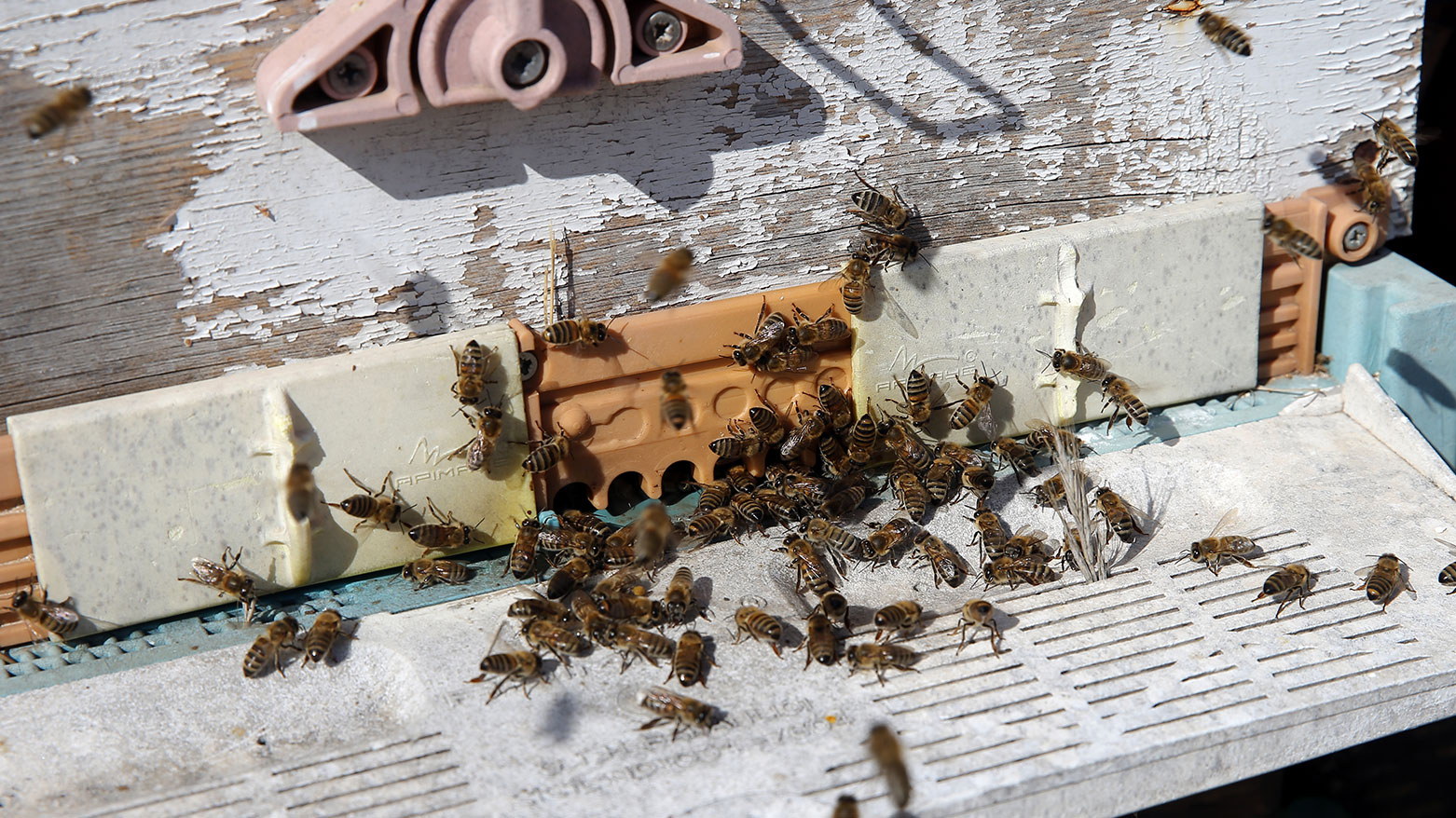
ERBIL (Kurdistan24) - On a hillside washed green by an unusually generous spring, the air hums with a sound that had grown faint in recent years. Bees drift between wild thyme, clover, and flowering shrubs, moving with an urgency that seems almost celebratory. Below them, rows of wooden hives stand beneath the morning sun, their entrances crowded with workers returning heavy with nectar.
For beekeeper Bestun Tayfur, the scene feels familiar and extraordinary at once.
Only a year ago, many of these slopes bore the marks of prolonged drought.
Streams had narrowed, flowering seasons had shortened, and beekeepers across the Kurdistan Region watched their colonies struggle through increasingly difficult summers.
This year, however, the landscape tells a different story. Rainfall arrived in abundance, filling valleys, nourishing vegetation, and transforming the conditions upon which bees, and the people who care for them, depend.
The result has been a honey harvest unlike any seen in the previous four years.
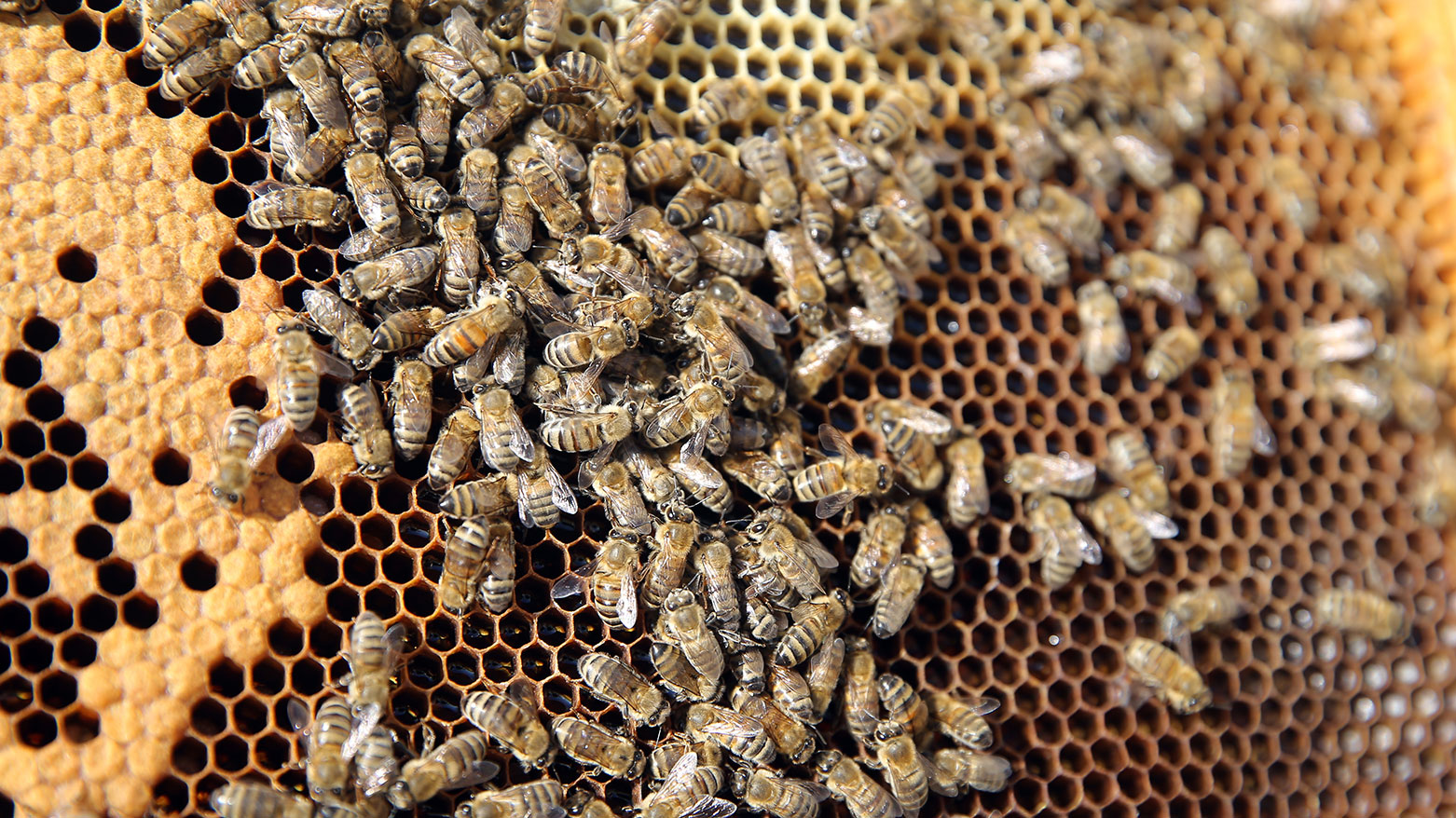
Speaking to Kurdistan24, Tayfur said the difference became evident long before the first honey was collected. Colonies expanded rapidly, flowers bloomed in unusual profusion, and bees found themselves surrounded by an exceptional variety of nectar sources.
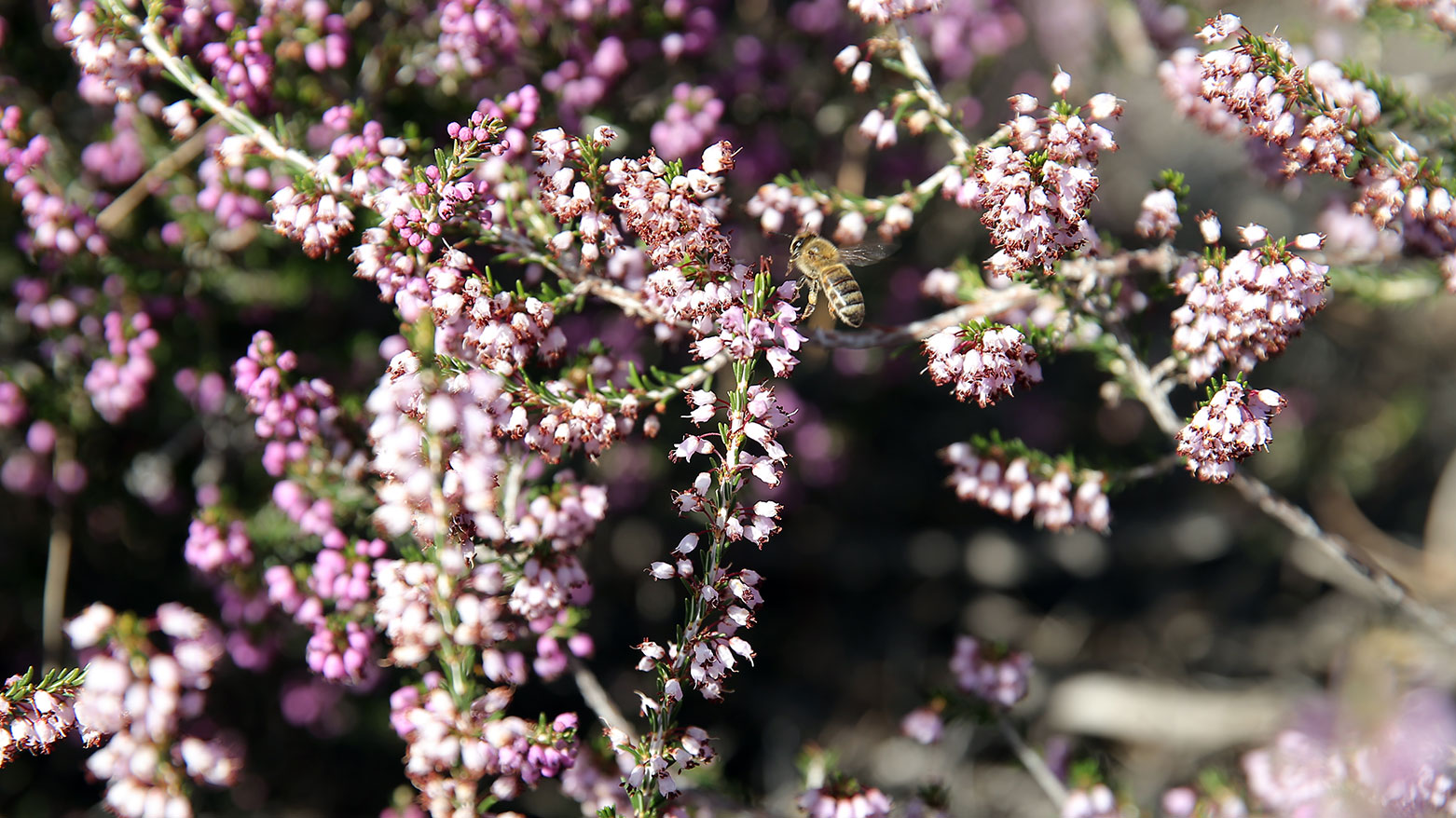
"The bees had access to diverse plants throughout the season," he explained. That diversity, he noted, improved both the quantity and quality of honey while strengthening colonies across many areas of Kurdistan.
For beekeepers, honey is never simply a product. It is the visible outcome of a relationship between weather, landscape, insects, and human labor. A healthy hive reflects the condition of an entire ecosystem. When rain returns, flowers return. When flowers return, bees flourish.
This year, that chain of renewal unfolded across much of the region.
The recovery carries particular significance because it follows four difficult years marked by recurring drought.
Water shortages affected agriculture broadly, but beekeepers often felt the consequences with particular intensity. As springs dried and flowering periods shortened, colonies found less forage. Honey yields declined, and many rural families dependent on apiculture faced mounting economic pressure.
Osman Majid, an expert in apiculture, told Kurdistan24 that the drought years tested the resilience of producers across the region. Maintaining colonies became increasingly difficult as environmental conditions deteriorated.
Many beekeepers, he said, were forced to invest additional time and resources simply to keep their bees alive. The replenishment of water sources this year has therefore been more than a welcome development; it has been a lifeline.
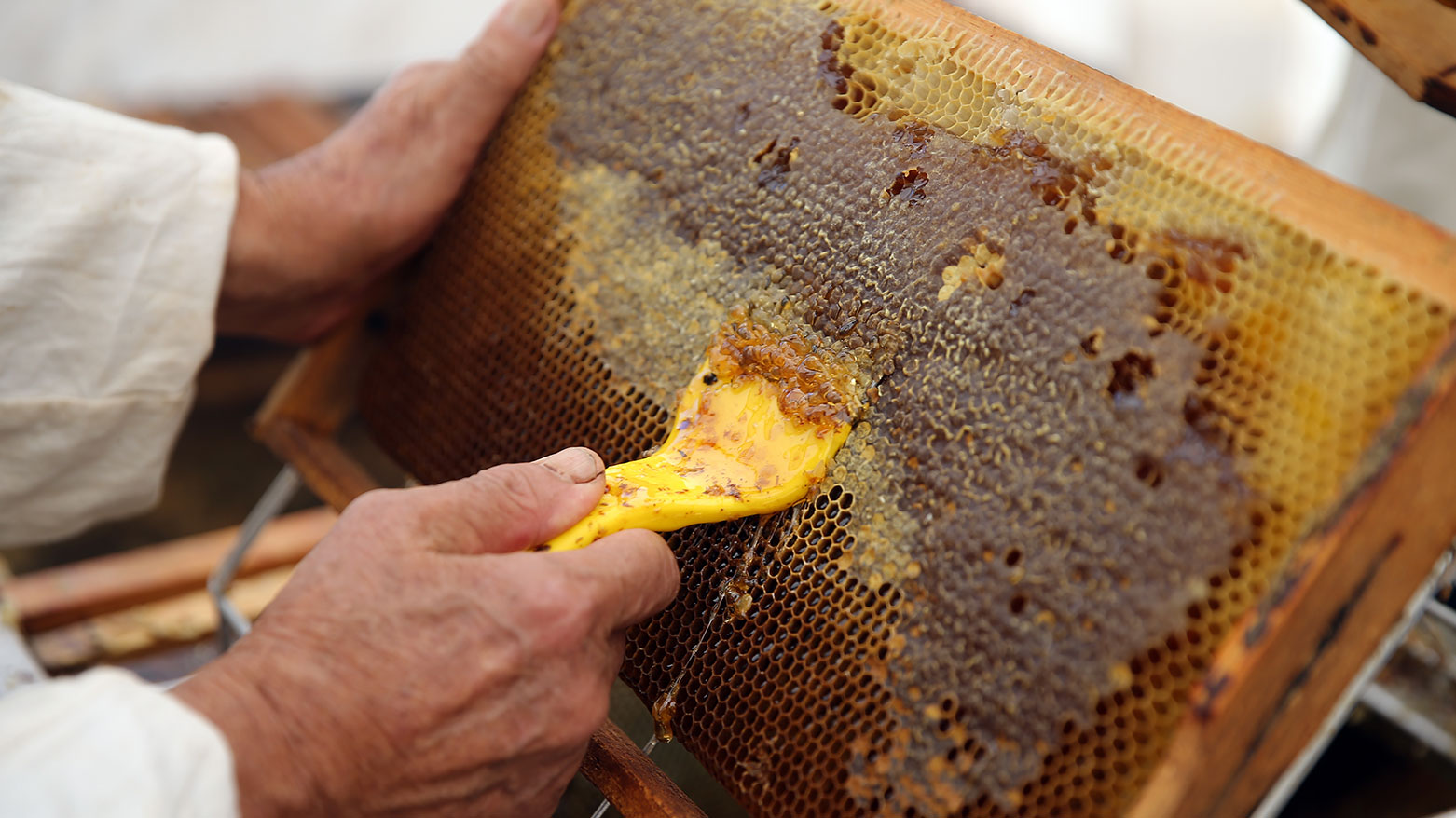
The relief visible in apiaries today is the culmination of years of endurance.
Yet in Kurdistan, the story of the honeybee extends far beyond economics.
The bee, known in Kurdish tradition as Heng and by several regional names across dialects, occupies a distinctive place in the cultural imagination. For generations, Kurdish farmers and villagers observed the hive as a model of cooperation, discipline, and communal responsibility.
In folklore and oral tradition, the bee embodies diligence. It works tirelessly and quietly, transforming the fragile sweetness of flowers into something lasting. The hive itself has long been viewed as a lesson in unity, a community sustained through collective effort.
The bee also carries a deeper symbolism.
It offers honey, but it also possesses a sting. Kurdish proverbs frequently return to this duality of sweetness and pain.
One common saying suggests that a creature unable to provide honey should at least refrain from stinging.
"A bee that gives no honey should at least not sting."
Another reminds listeners that sweetness is rarely achieved without hardship, a lesson familiar to anyone who has spent years waiting for rain.
"To have the honey, you must endure the bee's sting."
Such themes resonate through Kurdish literature as well.
Among the most notable examples is "The Honeybee," a poem by Kurdish poet Sami Awdal (1910-1985).
The Honeybee
By Sami Awdal (1910-1985)Forgive the honeybee its sting, for honey makes it sweet,
But from the red wasp's bitter strike, comes sorrow and defeat.A purebred steed is burdensome and costly to maintain,
Yet serves as man's deliverer in times of deepest pain.A single spark is all it takes to set dry straw ablaze,
And man, be he corrupt or pure, holds tightly to his days.Mere lust will never forge a man without a proper guide,
Just as an egg will never hatch without the yolk inside.A boy goes out to bring a wife, a girl is forced to wed,
And he who eats and drinks must shit, when all is done and said.O Sami, in the honest truth, true profit can be found;
A hair in yogurt is a blight, and youth will have its hound.
In the poem, Awdal uses the bee not merely as an insect but as a moral guide. The honeybee becomes a symbol of honesty, perseverance, and the rewards earned through patient labor. The poem reflects on the relationship between hardship and benefit, suggesting that value emerges from effort and integrity rather than ease.
Its themes feel particularly relevant this season.
After years of scarcity, Kurdistan's beekeepers have witnessed firsthand the truth embedded in many traditional sayings: there is no honey without enduring the sting. Their reward arrived not through sudden fortune but through persistence during difficult years and the eventual return of favorable conditions.
Looking ahead, Majid believes the region now has an opportunity to strengthen its reputation for high-quality honey. He expressed concern about imported counterfeit products that can undermine consumer confidence and place additional pressure on local producers.
Supporting domestic honey, he argued, would help sustain rural livelihoods while encouraging continued investment in the sector.
He also called for local and international exhibitions that could introduce Kurdistan's honey to wider markets. Given the quality achieved this season, he believes local products can compete successfully with honey from across the region and beyond.
As evening settles over the mountains, the tempo of the apiary begins to slow. Bees make their final returns before darkness. Tayfur moves quietly among the hives, inspecting entrances and listening to the steady murmur within.
The season's abundance cannot erase the memory of drought. But it offers something perhaps more valuable: evidence that recovery remains possible. In the fading light, amid flowering hills renewed by rain, the bees continue their work as they always have, linking people, landscape, and tradition through the small, persistent creation of sweetness after hardship.
|
Summary After four years of drought, abundant rainfall has delivered Kurdistan's strongest honey harvest in years. Through the experiences of beekeeper Bestun Tayfur and expert Osman Majid, the season reveals a story of environmental recovery, rural resilience, and the enduring cultural symbolism of the honeybee. |