Iran, US trade fresh strikes as Tehran targets Gulf bases, ceasefire teeters
Iran condemns latest American airstrikes and vows to defend its sovereignty after CENTCOM targets military infrastructure, while Kuwait and Bahrain report new Iranian attacks
ERBIL (Kurdistan24) — Iran on Sunday vowed to defend its sovereignty after the United States launched a new wave of airstrikes targeting military infrastructure, while Tehran retaliated by striking U.S. military facilities in Kuwait and Bahrain, further straining a fragile ceasefire aimed at ending the Middle East war.
Iran's Foreign Ministry condemned what it described as attacks by the "terrorist US army" on monitoring and surveillance facilities along the country's southern coast in the early hours of Sunday. In a statement, the ministry said Tehran remained determined to defend its "national sovereignty" against continued U.S. military action.
The exchange marked another escalation despite a ceasefire memorandum signed in mid-June under Pakistani mediation. Both Washington and Tehran have accused each other of violating the truce, raising doubts over the future of negotiations intended to end the conflict.
According to the U.S. Central Command (CENTCOM), American forces carried out additional strikes on June 27 at the direction of the U.S. president after Iran allegedly failed to uphold the ceasefire.
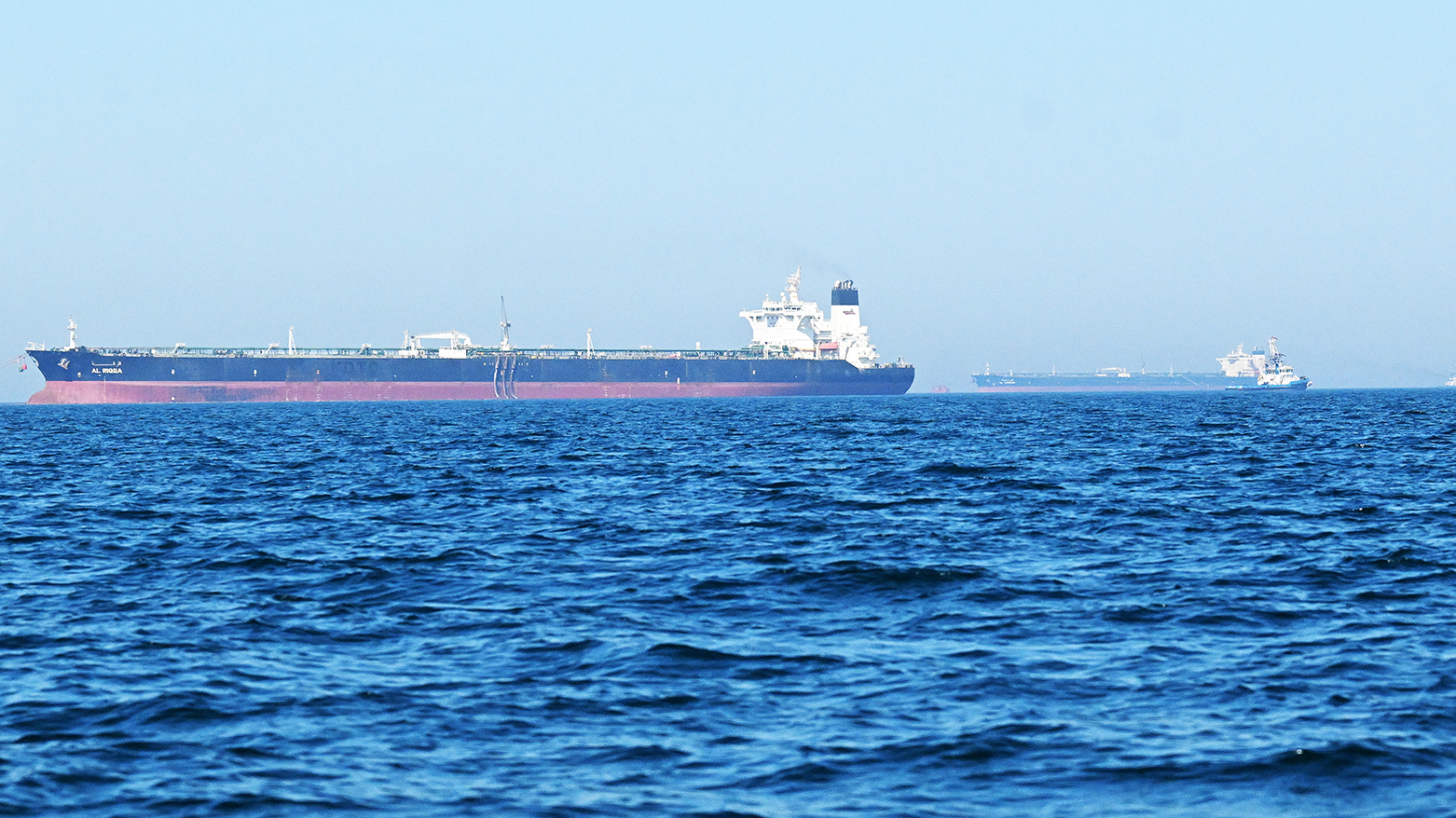
CENTCOM said Iran had been given an opportunity to honor the agreement following Saturday's U.S. strikes, which Washington said were launched in retaliation for an Iranian attack on the tanker M/V Ever Lovely. Instead, U.S. officials said Iranian forces launched a one-way attack drone that struck the Panama-flagged tanker M/T Kiku near the Strait of Hormuz early Sunday while it was transporting more than two million barrels of crude oil.
In response, U.S. military aircraft targeted Iranian surveillance infrastructure, communications systems, air defense positions, drone storage sites, and mine-laying capabilities. CENTCOM said commercial shipping through the Strait of Hormuz continues and that U.S. forces remain prepared to respond to further threats.
Iran's Revolutionary Guards announced later Sunday that they had launched retaliatory strikes against U.S. military facilities in Kuwait and Bahrain, claiming to have destroyed key installations at Ali al-Salem Air Base in Kuwait and the U.S. Fifth Fleet headquarters in Bahrain's Port Salman.
The Guards warned that "any enemy aggression, whatever the pretext," would be met with a "crushing response." They also said Iranian authorities had tightened control over maritime traffic through the Strait of Hormuz, warning that vessels violating Iranian directives would face stricter enforcement. Tehran had already warned on Thursday that ships should not transit the strategic waterway without Iranian permission.
The latest developments come despite provisions in the ceasefire memorandum requiring both sides and their allies to refrain from initiating military operations against one another. The agreement also committed Iran to ensuring safe passage for commercial vessels through the Strait of Hormuz for a 60-day period between the Persian Gulf and the Gulf of Oman.
Bahrain's military said its air defense systems intercepted and destroyed several Iranian missiles and drones targeting the kingdom, adding that its armed forces remain on maximum alert.
Kuwait also condemned what it called a "heinous aggression" by Iran, saying the latest attacks constituted a flagrant violation of the country's sovereignty.
As tensions continued to mount, U.S. President Donald Trump said in a post on Truth Social early Sunday that American aircraft had struck Iranian missile and drone storage sites as well as coastal radar facilities in response to what he described as Tehran's repeated violations of the ceasefire agreement.
Warning that Washington's patience was wearing thin, Trump said Iran "may never learn" and cautioned that if further military action became necessary, the United States would "militarily complete the job" it had begun, adding that such an outcome would mean "the Islamic Republic of Iran will no longer exist."
The renewed exchange of military strikes has cast fresh uncertainty over the ceasefire and diplomatic efforts to prevent a broader regional conflict, as tensions remain high across the Gulf and the strategically vital Strait of Hormuz.