No Kurdish Officials Detained in Iraq Corruption Investigation, KDP MP Says
Dr. Zirak Zebari, a member of the KDP bloc in the Iraqi Parliament, told Kurdistan24 that none of the individuals arrested by Iraqi security forces in Baghdad as part of the ongoing anti-corruption campaign are Kurdish or represent Kurdish political parties.
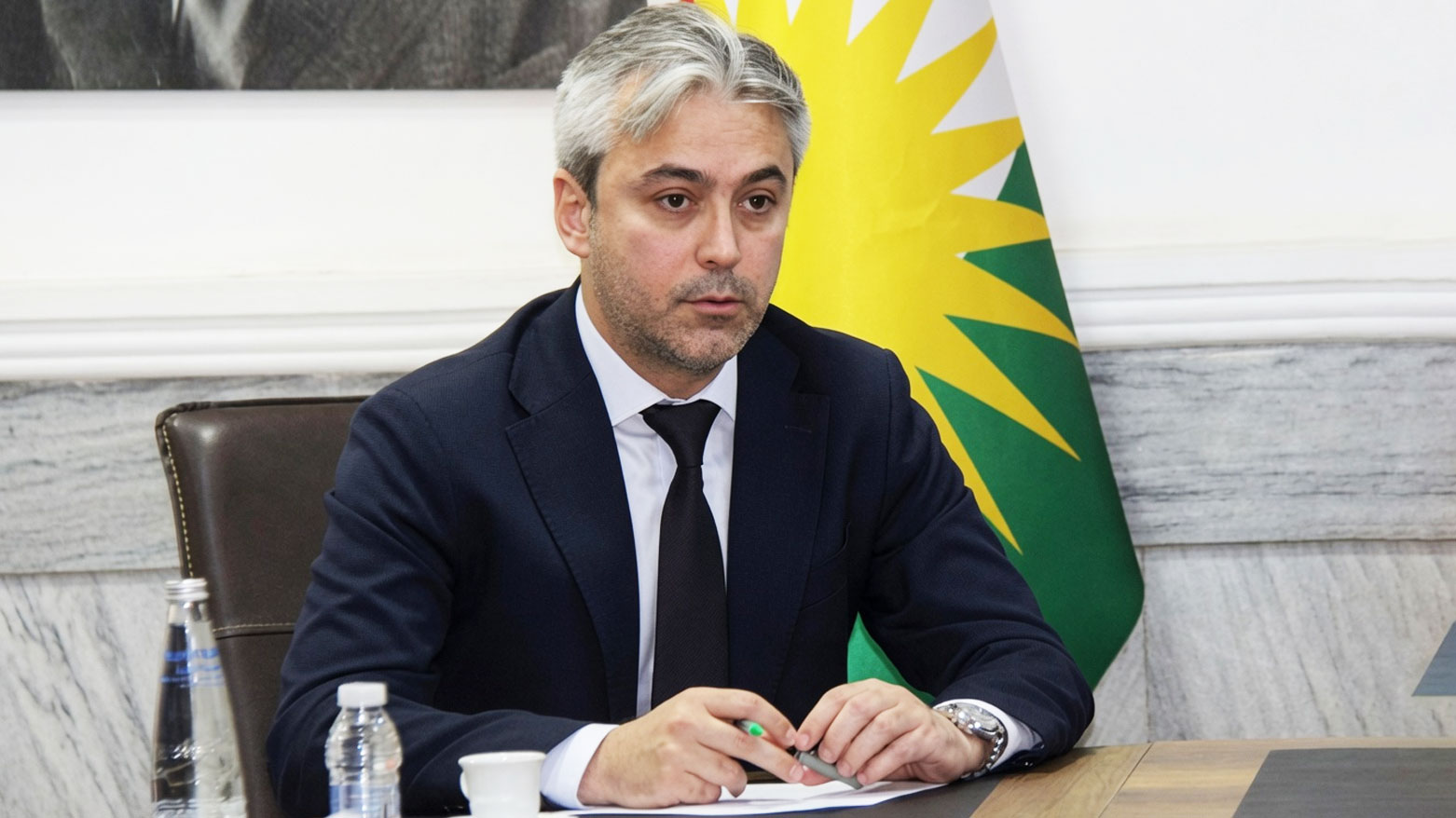
ERBIL (Kurdistan24) - As Iraq's largest anti-corruption investigation in years continues to gather momentum, a senior Kurdish lawmaker has sought to clarify the scope of the widening crackdown, stating that no Kurdish parliamentarians or government officials have been implicated in the latest wave of arrests that has shaken Baghdad's political establishment.
Speaking to Kurdistan24 on Sunday, Dr. Zirak Zebari, a member of the Kurdistan Democratic Party (KDP) bloc in the Iraqi Parliament, said none of the officials detained during overnight security operations conducted by federal authorities were Kurdish.
His remarks come as Iraqi authorities press ahead with an expansive judicial investigation that has already resulted in the detention of senior political figures and public officials, following confessions by Adnan al-Jumaili, the former Undersecretary for Refining at Iraq's Ministry of Oil.
According to Zebari, every individual arrested so far was identified through al-Jumaili's testimony during the ongoing investigation.
He added that judicial authorities have issued additional arrest warrants against dozens of other suspects and placed them on a no-fly list as investigators continue pursuing individuals allegedly connected to the corruption network.
The Kurdish legislator also addressed questions surrounding the arrest of sitting lawmakers, explaining that the detentions followed established parliamentary procedures rather than extraordinary executive measures.
Under Iraq's parliamentary bylaws, Zebari said, the Speaker of Parliament is authorized to lift the immunity of lawmakers accused of corruption during legislative recesses.
He noted that the members of parliament detained overnight had already had their legal immunity revoked in coordination with the Supreme Judicial Council before security forces moved to arrest them.
The comments offer one of the clearest explanations yet of the legal process underpinning a campaign that has rapidly evolved into one of the most consequential anti-corruption operations in recent Iraqi history.
The latest arrests followed coordinated security operations launched before dawn on Sunday across Baghdad, Salahuddin, Anbar and Nineveh provinces.
While Iraqi authorities have yet to release a comprehensive official account detailing the full scope of the operation, the overnight raids marked a significant escalation in a corruption investigation that has steadily widened over recent weeks.
Read More: Iraqi CTS Raids Green Zone: Officials Arrested in Corruption Probe
Earlier reporting by Kurdistan24, based on information from the Iraqi News Agency (INA) and reporting by Baghdad correspondent Dylan Barzan, indicated that several officials and parliamentarians were arrested after being explicitly named in al-Jumaili's confessions.
Read More: Multiple Suspects Arrested Following Confessions by Iraqi Oil Ministry Undersecretary
According to INA, the government source said the latest detainees included members of the Council of Representatives whose parliamentary immunity had already been lifted, as well as other officials identified during the investigation.
The operation itself began around 2:00 a.m., when elite units of Iraq's Counter-Terrorism Service (CTS) moved into Baghdad's heavily fortified Green Zone. Armored vehicles sealed access points while security personnel executed judicial warrants targeting residences linked to senior officials and political figures.
The Green Zone, home to Iraq's parliament, key government institutions and diplomatic missions, rarely witnesses operations of such scale, making Sunday's raids particularly significant politically as well as symbolically.
At the center of the investigation remains Adnan al-Jumaili, once among the Ministry of Oil's most influential officials.
Arrested in late May on allegations of extensive corruption, al-Jumaili has since become the pivotal figure in an investigation that continues to expose what authorities describe as a vast network involving public officials, politicians and business interests.
His testimony has reportedly driven successive rounds of arrests, transforming what initially appeared to be an isolated corruption case into a broader institutional inquiry reaching multiple levels of government.
Judicial authorities previously disclosed that investigators had seized assets valued at more than $85 million connected to the case.
According to official figures, authorities confiscated more than 98 billion Iraqi dinars, approximately $11 million in U.S. currency, 70 residential properties and plots of land, 21 luxury vehicles, and three kilograms of gold.
Investigators also reported discovering substantial quantities of cash concealed inside private residences and buried underground, underscoring what prosecutors describe as the extraordinary scale of the alleged corruption network.
Among those arrested during the expanding investigation was Raed al-Jubouri, Director of the Salahuddin Health Department, whose detention illustrated that the inquiry has extended well beyond the Ministry of Oil.
Read More: The 129: Inside the Midnight Raids and Iraq's Widening Institutional Reckoning
The campaign has become a defining initiative for Prime Minister Ali Falih al-Zaidi, whose government has repeatedly pledged to intensify efforts against corruption and recover misappropriated public funds.
Government sources have maintained that authorities will continue pursuing all individuals implicated by evidence emerging from the investigation, regardless of political affiliation or official position.
For Kurdish political representatives, however, Zebari's statement sought to dispel speculation circulating on social media regarding possible Kurdish involvement.
By emphasizing that none of those detained are Kurdish officials or parliamentarians, he underscored that, based on information currently available, the arrests remain tied to individuals identified through the federal judicial investigation stemming from al-Jumaili's confessions.
Despite the growing number of arrests, many questions remain unanswered.
Federal authorities have yet to publish a complete list of detainees or provide a comprehensive official briefing detailing the evidence against each suspect. As judicial proceedings continue, the investigation appears poised to expand further, with additional warrants reportedly already prepared.
Whether the campaign ultimately results in lasting institutional reform will depend not only on further arrests, but also on the transparency and independence of the judicial process that follows.
For now, Sunday's developments mark another significant chapter in Iraq's evolving anti-corruption drive, one that continues to reverberate across the country's political landscape while, according to Kurdish representatives, leaving Kurdish officials outside the current scope of the investigation.
|
Summary A KDP lawmaker says no Kurdish officials or MPs are among those arrested in Iraq's sweeping anti-corruption campaign, stressing that the detainees were identified through confessions by former Oil Ministry undersecretary Adnan al-Jumaili as investigations continue across multiple provinces. |