Erdogan Urges Europe to Include Türkiye in Defense Initiatives Ahead of NATO Summit
Turkish president calls for full participation in EU security programs and removal of barriers to defense industry cooperation
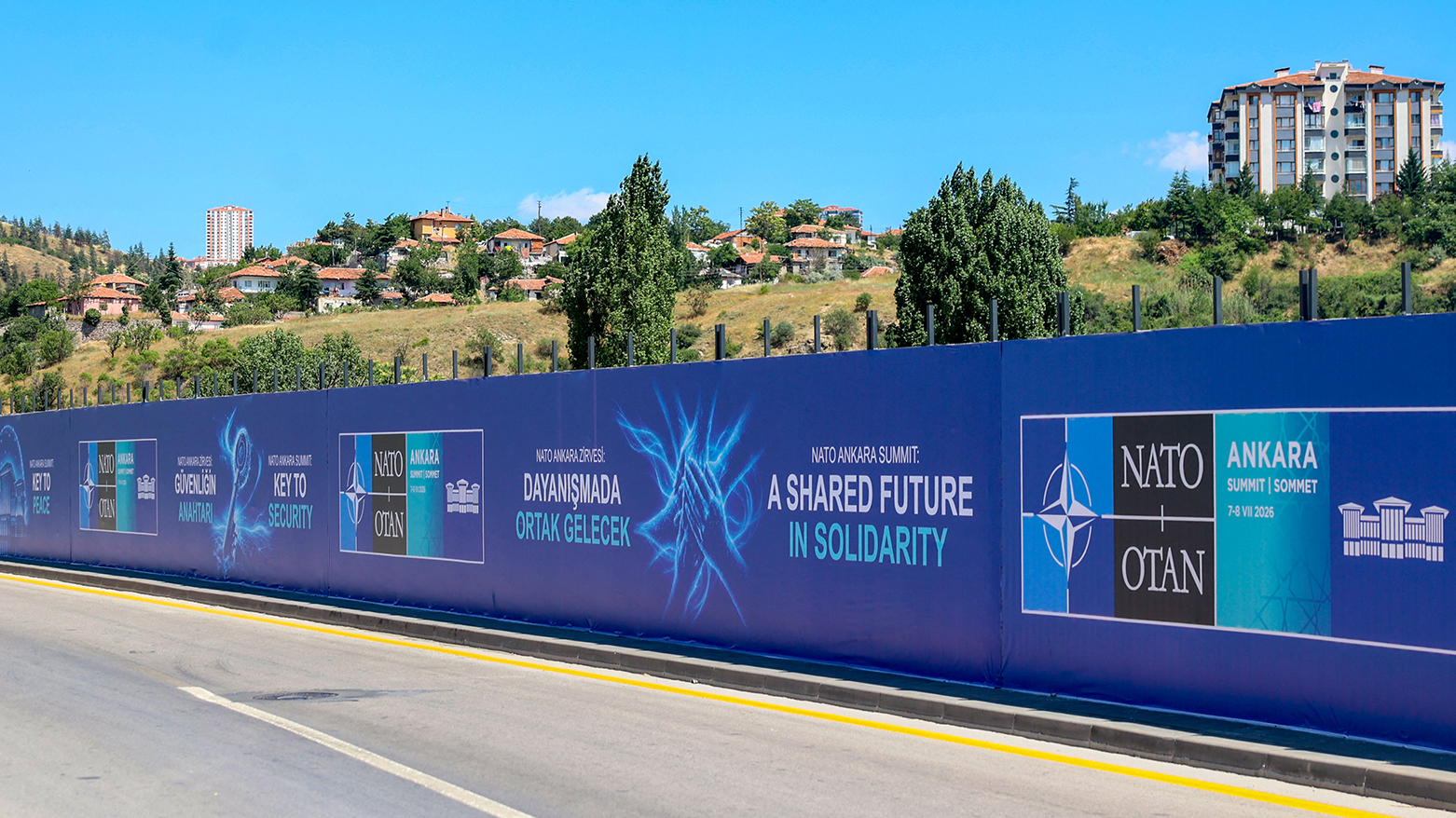
ERBIL (Kurdistan24) — Turkish President Recep Tayyip Erdogan on Monday called for Türkiye to be fully integrated into Europe's defense and security architecture, arguing that Ankara's contributions to regional security are indispensable as NATO allies prepare to gather for a key summit next week.
Speaking to parliamentary delegates from all 32 NATO member states in Istanbul, Erdogan urged European allies to support Türkiye's participation in all major defense initiatives, including the European Union's new Security Action for Europe (SAFE) program.
"Türkiye's indispensable contributions to European security are sometimes overlooked," Erdogan said.
"Türkiye wants to participate in all defense and security initiatives" on the continent, he added, calling on lawmakers to back Ankara's inclusion in EU-led defense projects.
The remarks come just days before NATO leaders are scheduled to meet in Ankara on July 7–8 for a summit expected to focus on strengthening the alliance's collective defense, increasing military spending, and responding to evolving security threats in Europe and the Middle East.
Türkiye Seeks Access to SAFE Program
A central issue for Ankara is participation in the European Union's €150 billion ($176 billion) Security Action for Europe (SAFE) initiative, which was established to expand Europe's defense industrial base and boost joint procurement of military equipment.
The program is part of the EU's broader effort to strengthen its defense capabilities amid Russia's ongoing war against Ukraine and growing concerns that the United States could reduce its long-term military commitment to European security.
Although Türkiye is technically eligible to participate in SAFE because of its close defense cooperation with Europe and its membership in NATO, access requires unanimous approval from all 27 EU member states.
Greece has signaled it may block Türkiye's participation, reflecting longstanding disputes between the two NATO allies over maritime boundaries, airspace, and the divided island of Cyprus.
Despite those tensions, Turkish officials argue that excluding one of NATO's largest militaries from Europe's emerging defense framework would undermine the continent's collective security.
Erdogan also urged NATO allies to eliminate restrictions on defense industry cooperation among member states, saying such barriers weaken the alliance's ability to respond to growing security challenges.
"If we want to overcome the challenges we face, we need to remove obstacles to defense industry trade while ensuring a balanced and fair burden-sharing among allies," he said.
Türkiye has repeatedly criticized export restrictions imposed by some NATO partners on defense equipment and technology transfers, arguing that such measures contradict the alliance's principle of collective security.
Growing Role in European Security
Türkiye possesses NATO's second-largest standing military after the United States and occupies a strategic position at the crossroads of Europe, the Middle East, and the Black Sea.
It has played a significant role in alliance operations, counterterrorism efforts, and regional security missions.
In recent years, Ankara has also expanded its domestic defense industry, producing drones, armored vehicles, naval platforms, and missile systems that have attracted international demand.
As Europe accelerates efforts to reinforce its defense capabilities in response to the changing security environment, Ankara has intensified its calls to be included in new European defense mechanisms, arguing that a stronger and more integrated security architecture should fully incorporate NATO allies outside the European Union.
Erdogan's appeal highlights Türkiye's broader effort to translate its military capabilities and strategic importance into a more influential role in shaping Europe's future security framework as NATO prepares to discuss the alliance's long-term priorities at next week's summit.