Mojtaba Khamenei Brings Back Veteran IRGC Figures as Tensions with U.S. Persist
Iran’s new supreme leader has appointed veteran IRGC figures to key security posts, signaling preparations for a longer confrontation with the United States.
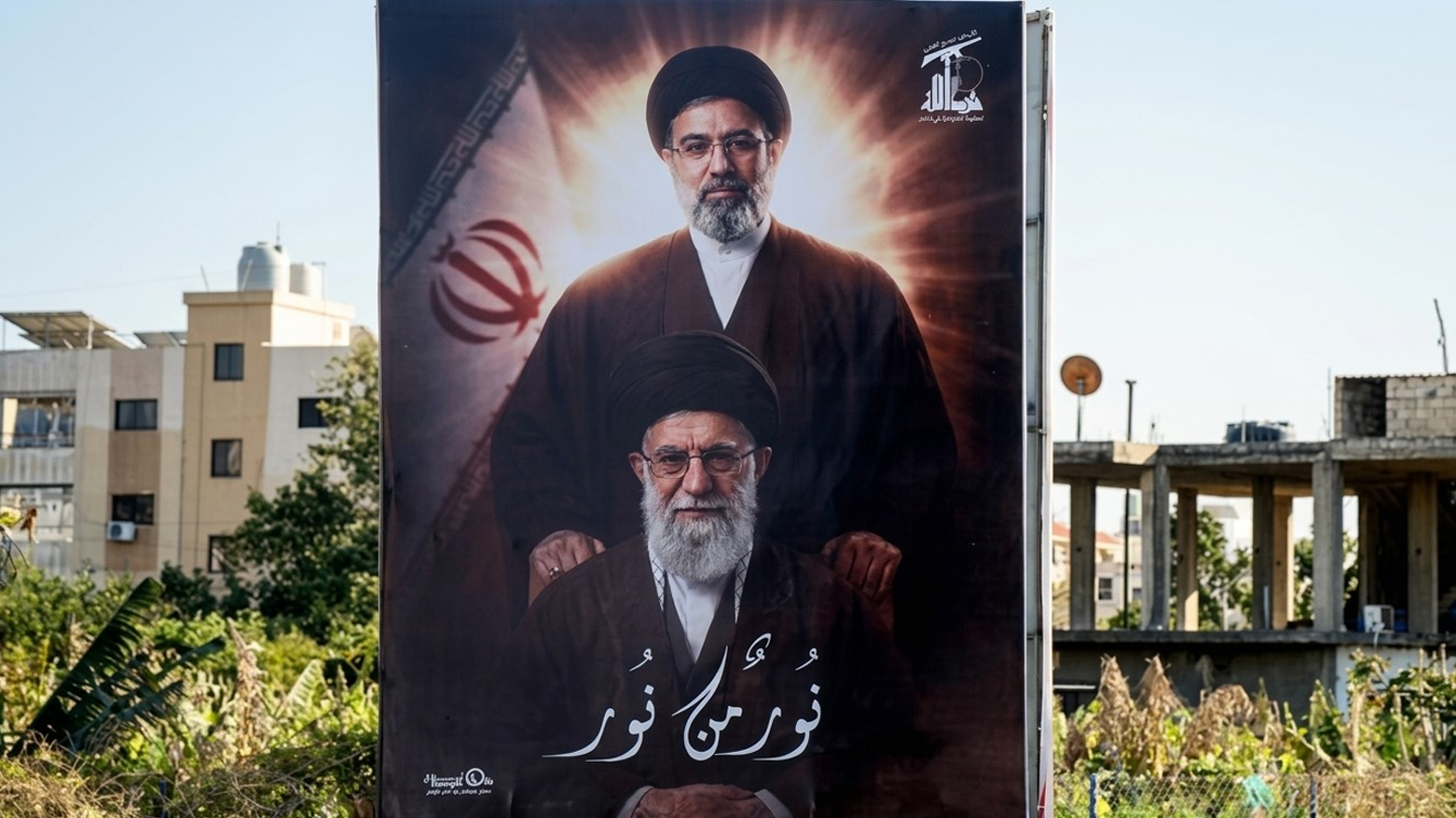
ERBIL (Kurdistan24) - In his first major appointments since becoming Iran’s supreme leader, Mojtaba Khamenei has turned to veteran and loyal figures from the Islamic Revolutionary Guard Corps (IRGC), filling key security positions left vacant after officials were killed during the war and signaling a potentially harder line toward Washington.
Khamenei made the appointments on August 9 and 10, relying on members of the IRGC’s “old guard,” many of whom are known for their longstanding hostility toward the United States.
He has held power since his father, Ali Khamenei, was killed at the beginning of the US-Israeli war on Iran on February 28. Mojtaba Khamenei has not appeared publicly since taking office, while questions remain over his health and the extent of his influence within Iran’s political system.
Among those brought back into senior positions are Mohsen Rezaei, 71, who led the IRGC during much of its war with Saddam Hussein’s Iraq in the 1980s, and Hossein Taeb, 63, the former IRGC intelligence chief who was removed from his post under unclear circumstances in 2022.
Jason Brodsky, policy director at United Against Nuclear Iran, said the appointments “indicate a more risk-taking and confrontational approach.”
“These appointments show that Iran believes it will remain at war for the foreseeable future,” Brodsky said, referring to the return of veteran figures from the IRGC’s “old guard.”
The impact of the appointments on Iran’s diplomatic track with the United States remains unclear, particularly after a 60-day deadline for reaching an agreement expired. Talks have so far been led by Parliament Speaker Mohammad Bagher Ghalibaf, who has come to be viewed as less hardline.
Rezaei, who led the IRGC during the 1980s and 1990s, has remained a prominent figure in Iran’s political and security landscape. His stern appearance and black beard have long been familiar to Iranians through television broadcasts.
His attempts to enter politics were unsuccessful, having run for president several times without winning. His appointment to the key position previously held by Ali Larijani before he was killed in the war therefore surprised some observers.
In April, Rezaei warned that Iran would sink US vessels in the Strait of Hormuz if Washington decided to act as the “policeman” of the strategically important waterway.
In June, he threatened to respond to every US attack with a “torrent” of missiles.
A US decision to impose sanctions on him in 2020 said he was suspected of involvement in the 1994 attack on a Jewish community center in Argentina.
Taeb, a cleric, was appointed commander of the Basij Organization, an IRGC-linked force known for maintaining security inside Iran.
He previously headed the IRGC intelligence organization for around 15 years before being abruptly replaced in June 2022.
The reasons for his dismissal were not made clear, but his departure coincided with the leaking of details about an alleged plot targeting Israelis in Türkiye.
Taeb has long been regarded as close to Mojtaba Khamenei, and his appointment is seen as a sign that Iranian authorities are preparing to confront any attempt to repeat the widespread protests that erupted in January.
Brodsky said Taeb’s appointment “also reflects the Iranian establishment’s concerns about renewed unrest as the economic situation deteriorates, with the Basij likely to play a key role in suppressing any future protests.”
Vahidi, who previously served as interior and defense minister, became the third IRGC commander in less than a year after his predecessor, Mohammad Bagheri, was killed on the first day of the war, while Hossein Salami was killed during Israel’s 12-day war against Iran in June 2025.
Perhaps for that reason, Vahidi remained largely out of the public spotlight during the war and did not appear publicly for the first time until Ali Khamenei’s funeral in July.
Although several written statements were issued in his name as IRGC commander, Mojtaba Khamenei’s decree represented the first explicit confirmation of his appointment.
Following the 2022 protests, the United States imposed sanctions on Vahidi, accusing him of responsibility for “gross human rights violations.”
Abdollahi previously headed the Khatam al-Anbiya Central Headquarters, a joint military command responsible for coordinating operations among Iran’s various armed forces.
In his new position, he will have the key responsibility of coordinating between Iran’s regular armed forces and the IRGC.
Abdollahi became relatively prominent during the war, warning in June that if the United States attacked Iran again, “it will receive a stronger response than before, and the flames of war will expand and spread farther, in addition to destabilizing the security of the region.”
The appointments put veteran security figures at the center of Iran’s military and internal-security establishment as the country faces an uncertain diplomatic path with Washington and the prospect of a prolonged confrontation.