Peshmerga Unification Enters Final Phase as Kurdistan Advances Toward a Unified Military
KRG says Peshmerga unification has entered its final phase, marking a major step toward a unified, professional military under one command.
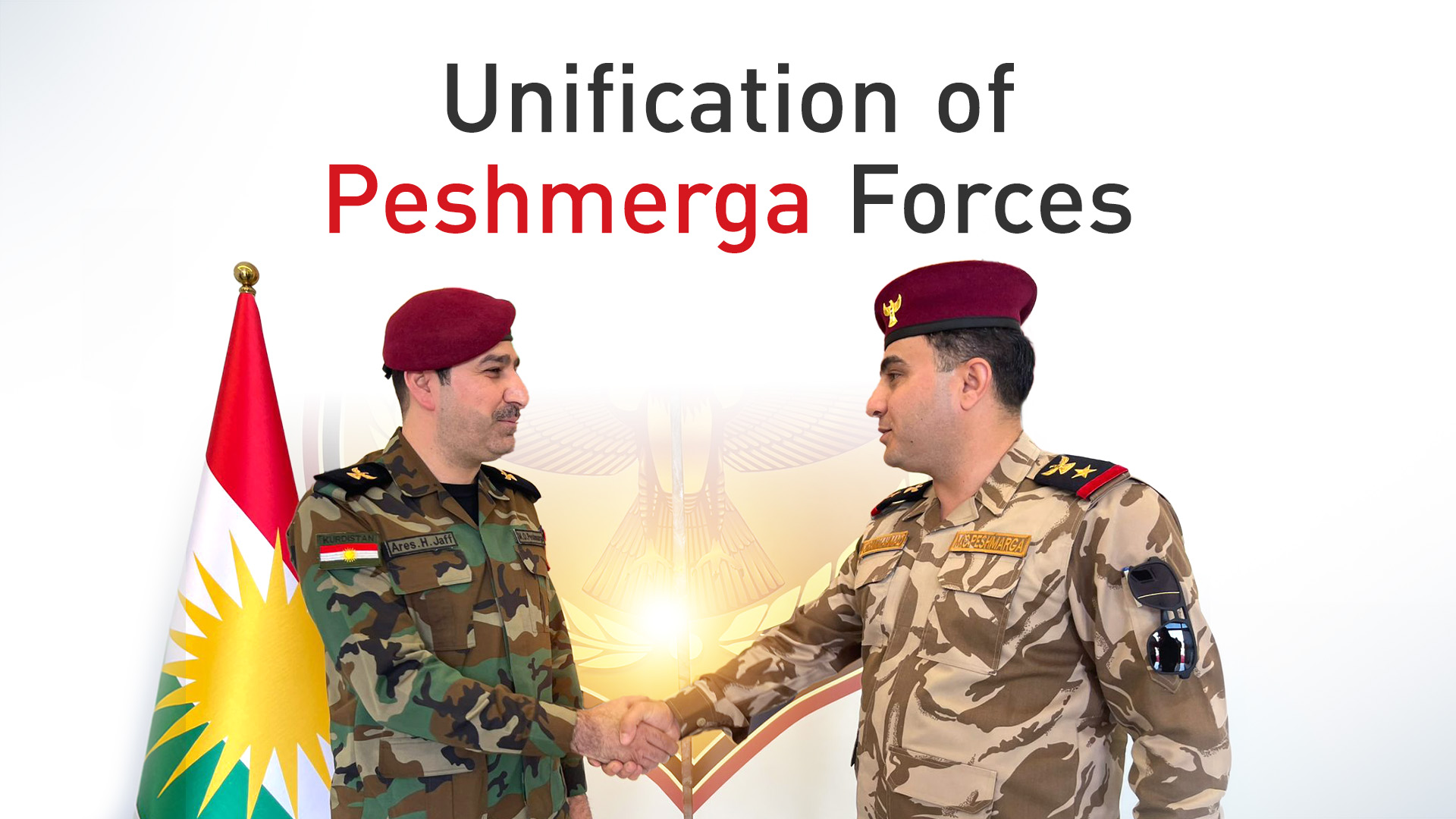
ERBIL (Kurdistan24) - After years of institutional reform, organizational restructuring, and sustained international support, the Kurdistan Region's effort to transform the Peshmerga into a unified national military has entered what officials describe as its decisive chapter.
Speaking at a press conference on Tuesday, Kurdistan Region's Government (KRG) Minister of Peshmerga Affairs Shorsh Ismail announced that "the process of organizing and unifying the Peshmerga forces has reached its final stage," describing the achievement as one of the most significant milestones in the Ministry's long-running reform agenda.
His announcement signals far more than the conclusion of an administrative exercise.
It represents a fundamental transformation in how the Kurdistan Region's armed forces are organized, commanded, and prepared for future security challenges.
By integrating the long-separate Command Units 1 and 2 under a single Ministry of Peshmerga chain of command, the reform seeks to establish a genuinely unified military institution, one built on professional standards, centralized leadership, operational cohesion, and long-term institutional stability rather than parallel command structures.
While emphasizing that the broader modernization effort will continue, Ismail described the current stage of reform as the realization of a long-held national aspiration.
"The reform process remains ongoing," he said, calling it "the dream of every Kurdish citizen."
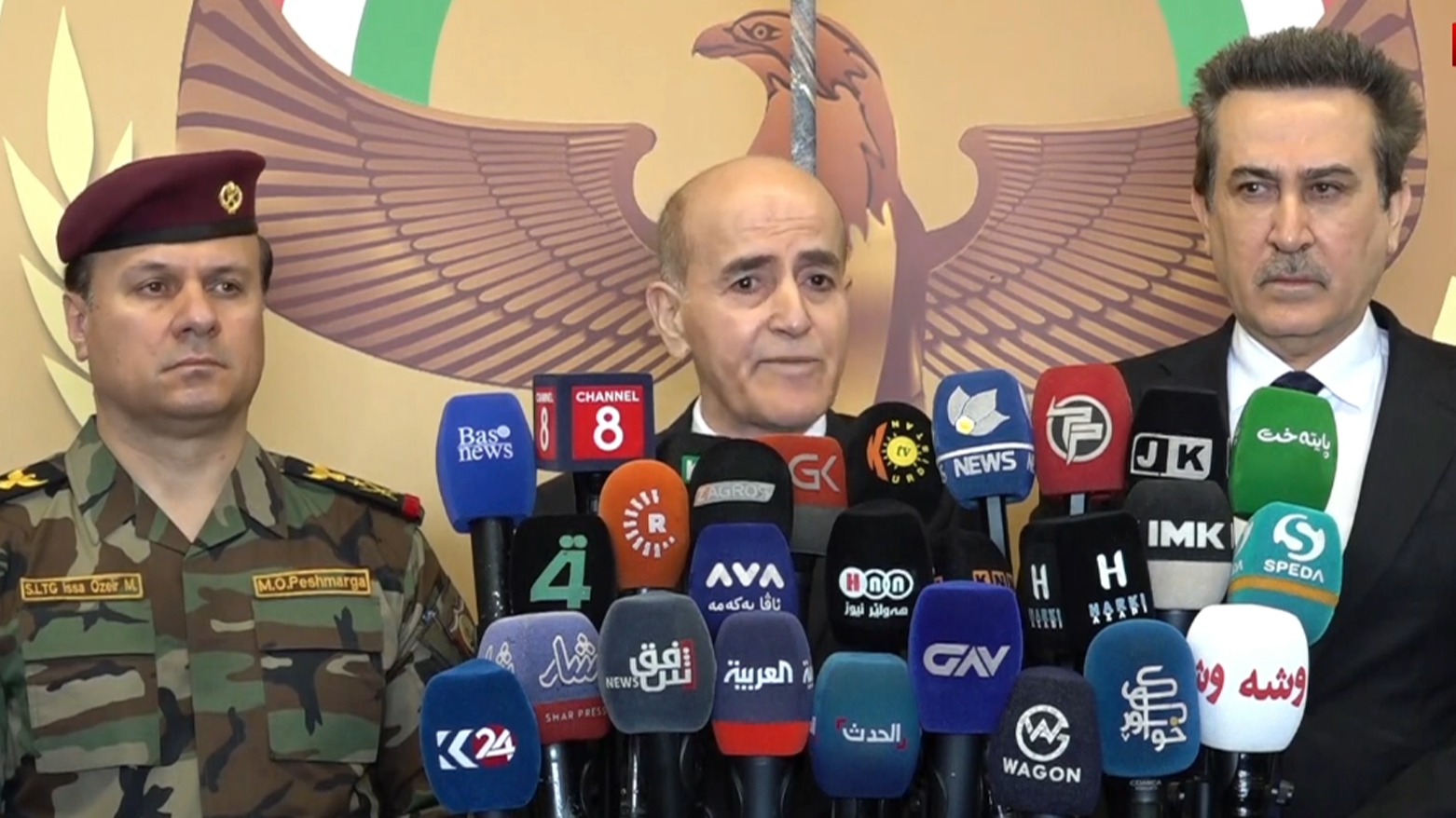
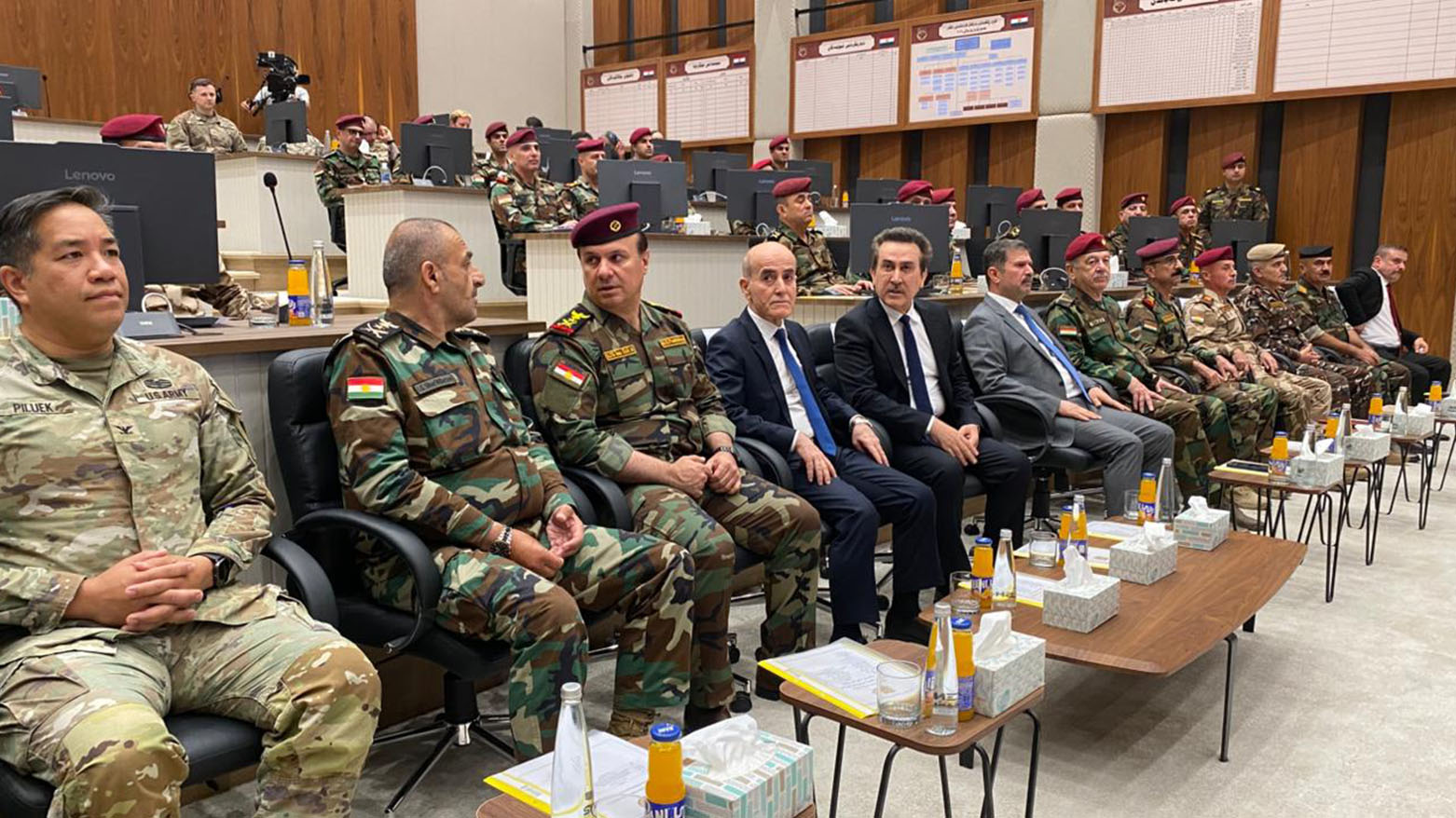
That vision moved another step closer to reality on Tuesday as personnel from Command Units 1 and 2 began their first joint exercise under the supervision of the International Coalition, led by the United States.
Hosted at Unit 1 headquarters, the multi-day training is intended not only to sharpen military capabilities but also to reinforce the practical integration of units that are increasingly operating as one force.
Announcing the exercise, Ismail said, "A joint exercise organized by the International Coalition forces, led by the United States, for Units 1 and 2 will commence at the Unit 1 headquarters. This training, which will span several days, is a vital step in advancing Peshmerga capabilities."
The drills underscore a central objective of the reform effort: replacing separate operational cultures with standardized procedures, common doctrine, and unified command structures capable of responding to increasingly complex security challenges.
According to the minister, that objective is already largely being realized.
"Over 95% of the unification process has been completed," Ismail said, noting that the integrated force now operates under the authority of the Ministry of Peshmerga and the Chief of Staff. Although some organizational work remains, he described the current level of progress as a major institutional success.
The minister said the Peshmerga are now entering "a new era" by operating as a single team under the Ministry's umbrella, expressing hope that the achievement would provide the foundation for further advances in military reform.
Reflecting on the force's legacy, Ismail added, "The Peshmerga has been defending this land and its people for over 100 years. The stronger and more organized these forces become, the more peace and security will prevail."
Responding to a question from Kurdistan24 correspondent Shaima Bayiz, Ismail said the Peshmerga's decades of service have consistently demonstrated its professionalism, adding that cooperation with the International Coalition will remain an essential pillar of regional security.
The Coalition's involvement extends well beyond battlefield cooperation.
For several years, coalition partners, including the United States, the United Kingdom, and Germany, have supported the Ministry of Peshmerga through institutional advising, officer education, logistical assistance, and military training designed to help build a unified and professional defense institution.
Tuesday's joint exercise reflected that broader partnership.
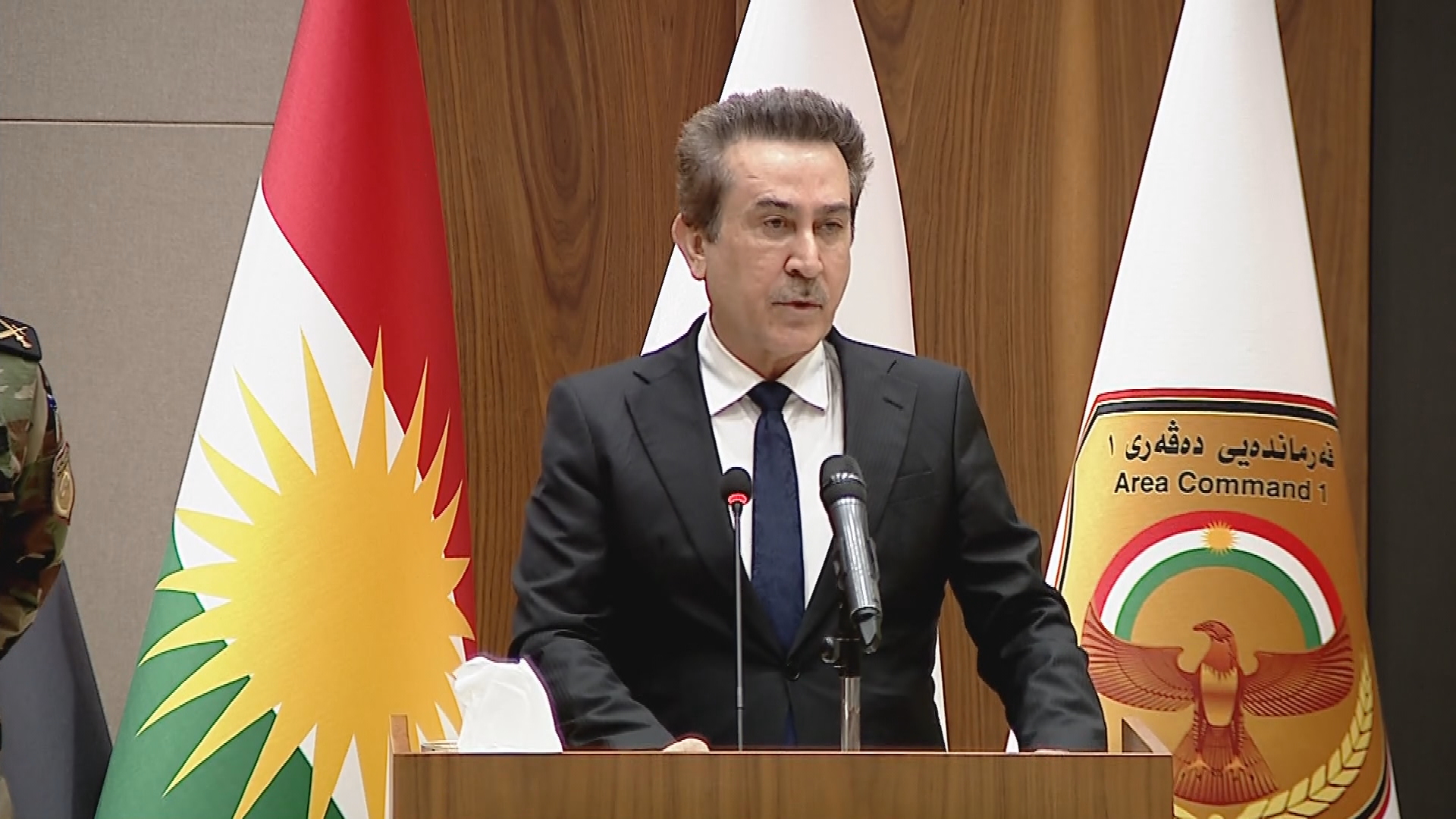
Addressing participating personnel, Lieutenant General Najat Ali, commander of Unit 1, described the integration of Command Units 1 and 2 as a defining stage in the evolution of the Peshmerga.
"The restructuring of the Peshmerga forces within a framework of institutionalization and nationalization is a sensitive and decisive process," he said, expressing confidence that continued support from both the KRG and the International Coalition would help ensure its success.
Ali said personnel from both commands have assembled to train together under Coalition supervision, describing years of international advising as instrumental in strengthening the force.
He also argued that military reform is being driven not only by institutional priorities but by the rapidly evolving regional security environment.
"The recent drone and missile attacks show that the Kurdistan Region faces threats beyond ISIS," he said, stressing that modern threats require advanced military technology, continuous training, and stronger institutional cohesion.
Ali emphasized that bringing the two commands together demonstrates that the Peshmerga are increasingly functioning as national institutions operating under the Ministry of Peshmerga and the Kurdistan Regional Government rather than as separate organizations.
Tuesday's developments build on a reform process that has steadily accelerated over recent years.
In May, Chief of Staff Lieutenant General Issa Ozer announced that the Ministry had already completed eight integrated divisions while establishing the First Regional Command, with remaining organizational steps progressing according to schedule.
At the time, Ozer reaffirmed the timeline established under the memorandum governing the reform process.
"By September 25, a single national force must be established within the Ministry of Peshmerga under the umbrella of the KRG and the Presidency of the Kurdistan Region," he said.
The roadmap involves far more than combining military formations. It includes integrating personnel systems, standardizing command procedures, restructuring headquarters, strengthening administrative oversight, and creating an institutional framework capable of sustaining unified military governance over the long term.
The reform has also been accompanied by a broader effort to redefine the professional identity of the Peshmerga.
Speaking earlier this month during the graduation ceremony of the fifth cohort at Qalacholan Military College, Kurdistan Region President Nechirvan Barzani urged newly commissioned officers to embrace professionalism, institutional discipline, and political neutrality as essential elements of military service.
"Remain a national force for Kurdistan," the President told the graduates, urging them to place the interests of the Kurdistan Region above political divisions.
He also encouraged the next generation of officers to master modern military technologies, pursue continuous professional development, and adapt to rapidly evolving security threats, an approach that complements the Ministry's broader objective of building a technologically capable and operationally unified force.
Taken together, the structural reforms, joint Coalition-led training, and continued investment in professional military education illustrate how the Peshmerga's transformation has evolved from a political aspiration into an increasingly tangible institutional reality.
For a force whose history spans more than a century, the significance of today's announcement lies not simply in organizational change but in the emergence of a unified military designed to meet the demands of a changing security landscape while preserving the legacy of one of the Kurdistan Region's most enduring institutions.
If the remaining stages proceed according to schedule, the Ministry of Peshmerga is expected to complete the formal unification process by September, marking the culmination of one of the Kurdistan Regional Government's most consequential defense reforms.
The result would be a single military institution operating under unified command, better positioned to safeguard the Kurdistan Region, deepen cooperation with international partners, and confront the increasingly complex challenges shaping the region's security environment.
|
Summary The Kurdistan Region says Peshmerga unification has entered its final phase, with more than 95% of the reform completed. The milestone reflects years of institutional transformation aimed at creating a unified, professional military under one command with continued International Coalition support. |