The Duhok-Zaxo Corridor Shows How Infrastructure Is Driving Kurdistan's Growth
The KRG's flagship Duhok-Zaxo Highway and Gali Zaxo Tunnel are strengthening cross-border trade with Türkiye, improving freight movement and road safety, and advancing the Ninth Cabinet's long-term infrastructure and economic development strategy.
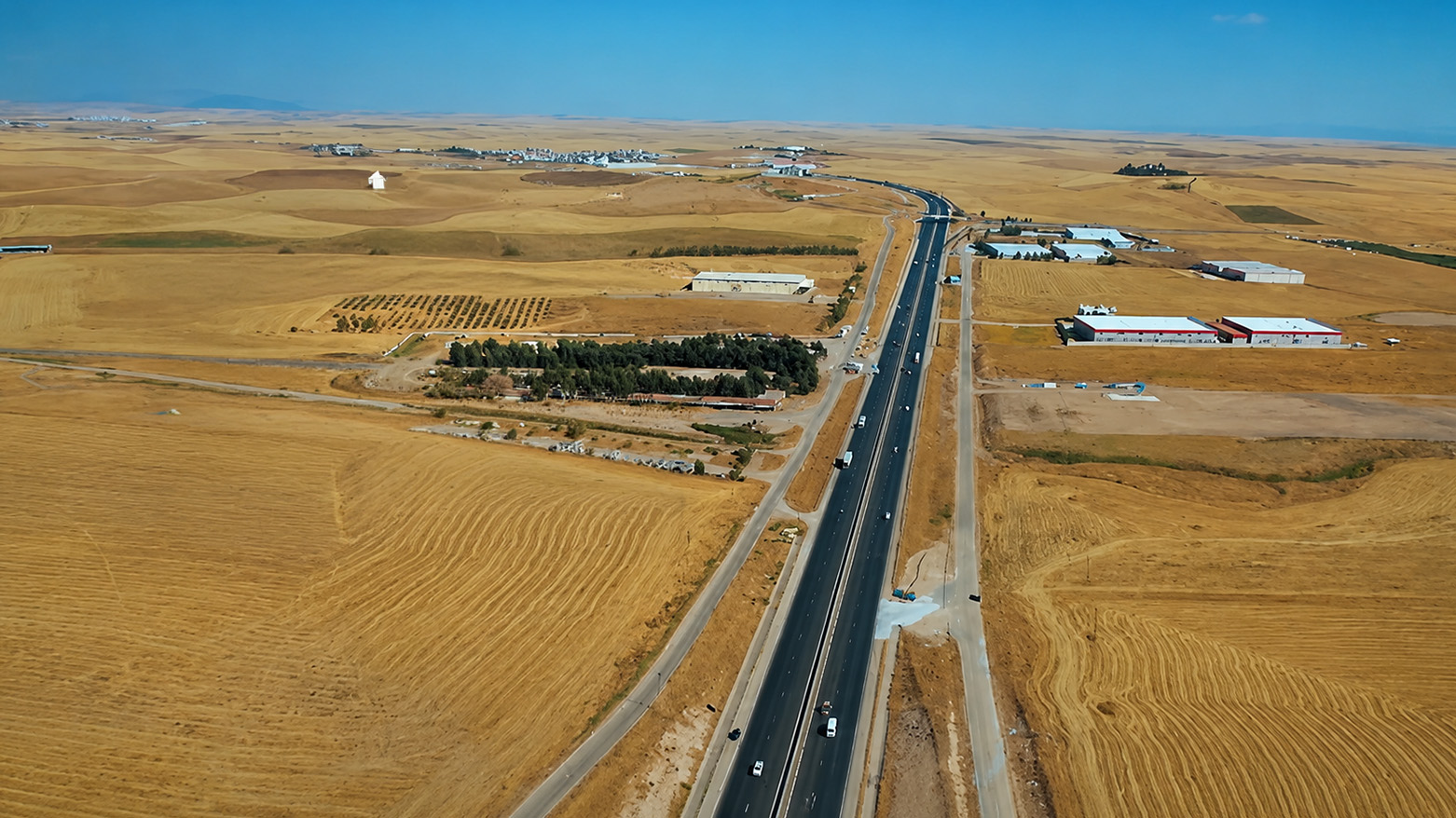
ERBIL (Kurdistan24) - Every day, thousands of cargo trucks and passenger vehicles travel through the corridor linking Duhok to Zaxo (Zakho) and the Ibrahim Khalil International Border Crossing, one of the Kurdistan Region's most important gateways for trade with Türkiye and European markets. With the completion of the Duhok-Zaxo Highway and the Gali Zaxo Tunnel, the Kurdistan Regional Government (KRG) has significantly upgraded a route that serves as a critical artery for regional commerce, freight transport, tourism, and cross-border connectivity.
The projects represent a central element of the Ninth Cabinet's strategy to modernize transportation infrastructure while strengthening the Region's role as a commercial bridge between Iraq, Türkiye, and neighboring markets.
Rather than simply expanding road capacity, the investments are intended to improve logistics, reduce travel times, enhance safety, and create conditions that support long-term economic growth.
At the heart of the corridor is the 44-kilometer Duhok-Zaxo dual carriageway, completed in 10 phases at an investment exceeding 311 billion Iraqi dinars.
According to the KRG, the highway was built to international engineering standards and includes one overpass and four underpasses while providing improved access to dozens of surrounding villages and communities.
The upgraded road connects Duhok Province directly with the Zaxo Independent Administration and the Ibrahim Khalil crossing, the Region's principal land gateway for commercial traffic with Türkiye.
For freight operators and logistics companies, improvements along the corridor translate into more predictable travel times and lower operating costs.
Faster journeys reduce fuel consumption, vehicle wear, and delivery delays, helping businesses move goods more efficiently between production centers, distribution hubs, and international markets.
The corridor also strengthens agricultural supply chains by allowing producers to transport perishable goods more quickly while improving access to domestic and export markets.
Complementing the highway is the 3.6-kilometer Gali Zaxo Tunnel, a project valued at 175 billion Iraqi dinars.
Constructed to bypass the former mountain pass, the tunnel replaces a route long associated with difficult driving conditions, particularly for heavy trucks navigating steep terrain.
By redirecting traffic through the tunnel, the project shortens travel times while reducing exposure to one of the corridor's most hazardous sections.
Safety improvements extend beyond the tunnel itself.
According to the KRG, the highway incorporates modern traffic engineering measures, including speed enforcement cameras, upgraded road markings, illuminated directional signage, and other safety systems designed to reduce accidents and improve traffic management along one of the Region's busiest transport corridors.
The benefits extend well beyond motorists.
Improved accessibility can encourage tourism by making travel between Duhok, Zaxo, and nearby attractions more efficient, while businesses located along the route stand to benefit from increased commercial activity.
Easier transportation also enhances access to services for nearby communities and supports broader regional integration by connecting local economies more closely with international trade networks.
The projects also reflect a wider shift in how transportation infrastructure is viewed within economic policy.
Modern highways increasingly serve not only as roads but as strategic assets that facilitate investment, strengthen supply chains, attract private-sector activity, and improve the competitiveness of regional economies.
According to the KRG Department of Media and Information, the Duhok-Zaxo corridor forms part of a much larger infrastructure program pursued under the Ninth Cabinet.
The government reports launching 1,271 road projects with planned investment exceeding 5.3 trillion Iraqi dinars, covering nearly 5,940 kilometers across the Kurdistan Region.
Of those, 810 projects spanning approximately 3,055 kilometers have been completed, while another 461 projects covering nearly 2,885 kilometers remain under construction.
The government's statistical review also records 2,747 municipal infrastructure projects valued at 3.4 trillion Iraqi dinars, alongside investments in bridges, urban roads, pedestrian crossings, underpasses, traffic barriers, road markings, speed-control systems, and other engineering measures intended to improve mobility and public safety.
According to the government, these investments support broader objectives of regional connectivity, commercial development, and economic diversification.
As the Duhok-Zaxo Highway and Gali Zaxo Tunnel become fully integrated into the Region's transportation network, they illustrate how strategic infrastructure can influence far more than travel.
By improving the movement of goods and people along one of the Kurdistan Region's most important international corridors, the projects are intended to reinforce trade, support investment, strengthen logistics, and contribute to a more resilient and connected regional economy.
|
Summary The Duhok-Zaxo Highway and Gali Zaxo Tunnel are transforming one of the Kurdistan Region's busiest trade corridors, improving logistics, road safety, and cross-border commerce with Türkiye while highlighting the KRG Ninth Cabinet's wider infrastructure and economic development strategy. |