Iran Strikes Oman Hours After Strait of Hormuz Talks, Raising Stakes in Gulf Crisis
Attack on Omani Territory Follows High-Level Security Discussions Between Tehran and Muscat, Prompting Regional Condemnation
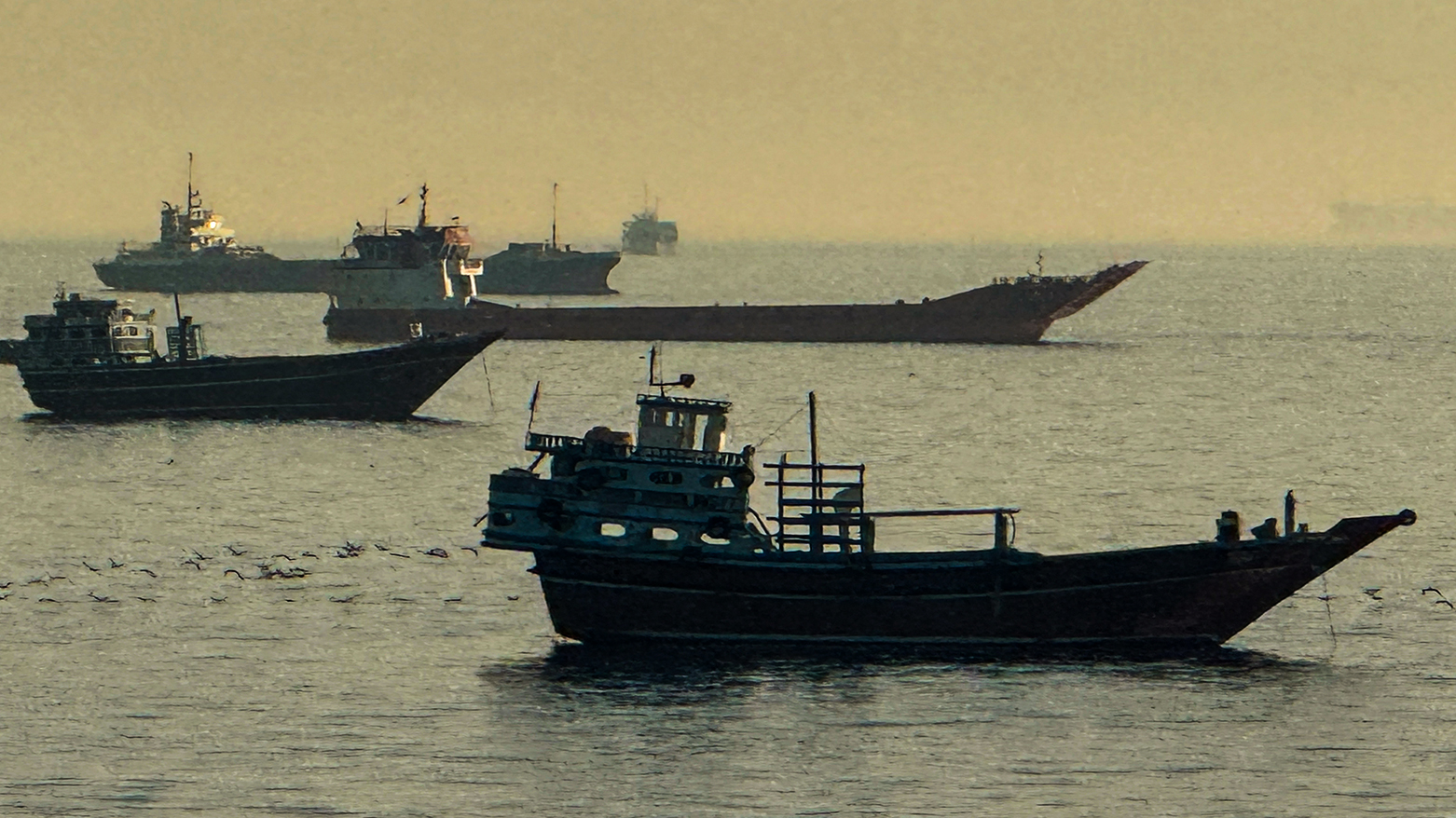
ERBIL (Kurdistan24) — Iran struck Omani territory on Sunday, targeting facilities at the strategic port of Duqm just hours after senior Iranian and Omani officials held talks in Muscat on security in the Strait of Hormuz, marking a dramatic escalation that threatens one of the Middle East's most important diplomatic relationships.
The attack, confirmed by both Tehran and Muscat, came during a wider barrage by Iran's Revolutionary Guards targeting multiple countries across the Gulf as regional tensions continued to intensify.
According to Iran's Revolutionary Guards, the strikes destroyed "the logistical support centers for naval vessels and the refueling facilities for US aircraft carriers at the port of Duqm in Oman," indicating that Tehran viewed the facilities as supporting U.S. military operations.
Oman swiftly condemned the strike, with the Oman News Agency stating on X that "the Sultanate of Oman affirms its condemnation and denunciation of this attack."
The timing of the attack has drawn particular attention because it occurred only hours after Oman hosted Iranian Foreign Minister Abbas Araghchi for discussions centered on security in the Strait of Hormuz, the narrow maritime chokepoint through which roughly one-fifth of the world's oil shipments pass.
The meeting had focused on safeguarding maritime navigation and addressing growing security concerns in the strategic waterway, underscoring Muscat's long-standing role as a regional mediator and a trusted interlocutor between Iran and its Gulf neighbors.
Instead, the subsequent strike on Omani territory represented an extraordinary turn of events, raising fresh questions about the future of Tehran's relations with one of the few Gulf states that has consistently maintained constructive diplomatic ties with the Islamic Republic.
For decades, Oman has pursued a policy of neutrality and balanced diplomacy, often serving as a bridge between Iran and Western powers. Muscat has played a pivotal role in facilitating sensitive negotiations, including indirect U.S.-Iran contacts and efforts to reduce regional tensions.
The latest talks over the Strait of Hormuz had reinforced Oman's commitment to preventing military escalation in one of the world's most strategically significant waterways.
Sunday's attack therefore risks undermining years of diplomatic confidence between the two neighbors while increasing concerns over the security of maritime trade through the Gulf.
The strike also comes amid heightened fears that the conflict could increasingly threaten commercial shipping. India announced that 10 of its nationals had been rescued after a vessel was struck off Oman's coast early Sunday, while one crew member remains missing. The United States blamed Iran for the attack on the vessel.
Earlier, the United Kingdom Maritime Trade Operations (UKMTO) agency reported that the crew had abandoned the ship and escaped aboard a lifeboat.
Across the region, governments condemned Iran's latest attacks. Saudi Arabia, Kuwait and Egypt joined Oman in denouncing the strikes, while Qatar reported intercepting incoming missiles and said three people were injured.
Qatar also strongly condemned the Iranian attacks, describing the strikes on its territory and neighboring Arab states as "a dangerous escalation" that threatens regional security and stability.
Meanwhile, Pakistan urged restraint, with Foreign Minister Ishaq Dar speaking by telephone with his Iranian counterpart to call for de-escalation and encourage all parties to avoid further escalation.
The attacks mark another dangerous expansion of the regional conflict, with the unprecedented strike on Oman carrying particular geopolitical significance given Muscat's longstanding role as a neutral mediator and its close engagement with Tehran on safeguarding security in the Strait of Hormuz.