Erbil Remains Secure After Coalition Intercepts Explosive-Laden Drones
Coalition forces intercepted several explosive-laden drones over Erbil as heightened U.S.-Iran tensions continue to shape the regional security environment.
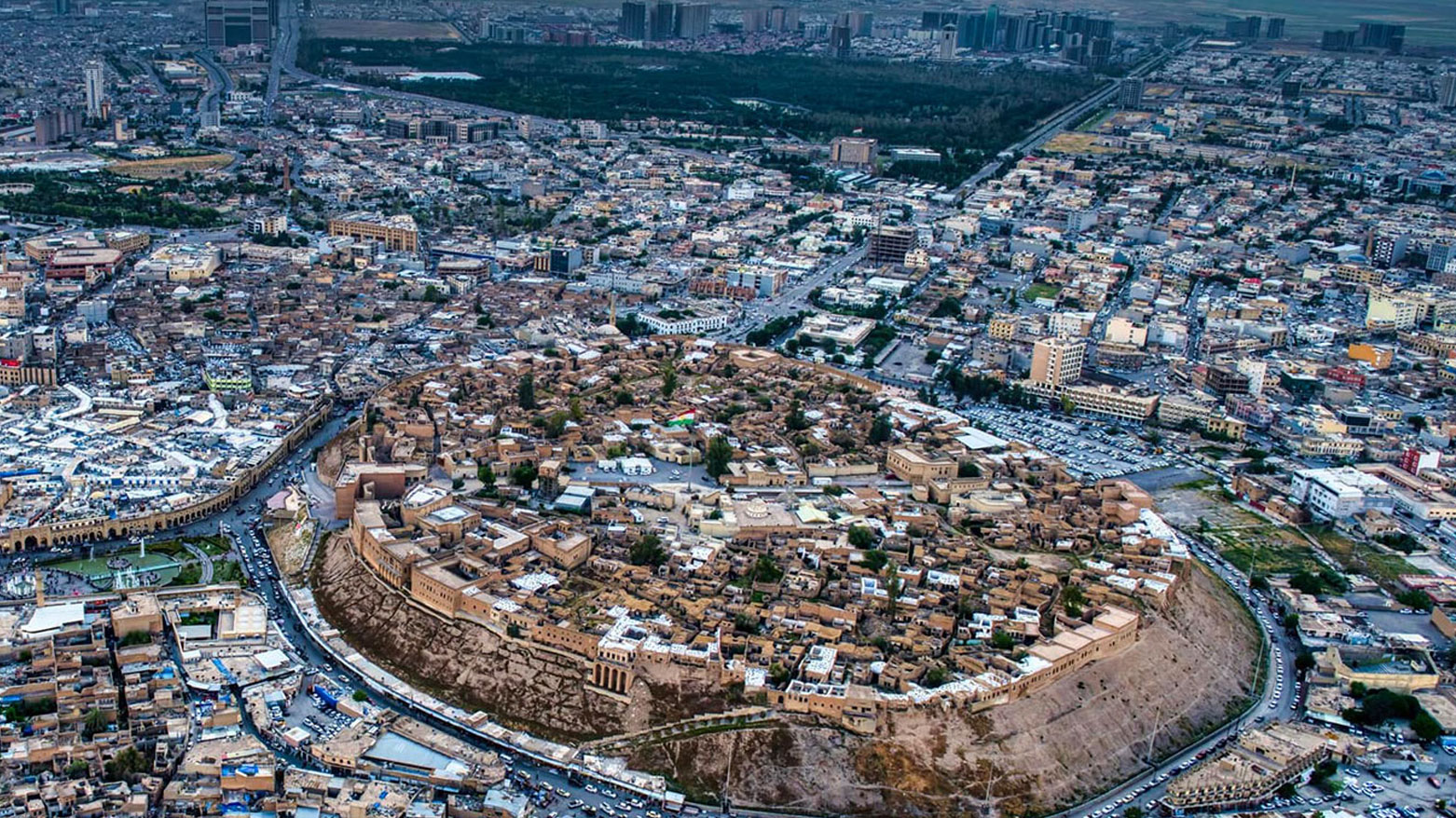
ERBIL (Kurdistan24) - A series of explosions echoed across the skies over Erbil early Friday as Coalition air defense systems intercepted and destroyed several unidentified objects and explosive-laden drones approaching the Kurdistan Region's capital, marking the latest in a succession of aerial security incidents targeting the city.
Despite the overnight attack, authorities reported no casualties or material damage, underscoring the effectiveness of the defensive response while highlighting the increasingly complex security environment surrounding one of Iraq's most important political, economic and diplomatic centers.
The latest interceptions came as Coalition forces moved swiftly to neutralize multiple airborne threats before they could reach their intended destinations.
While officials did not immediately identify those responsible for launching the drones, the incident reflects a pattern of recurring aerial attacks that has placed Erbil at the forefront of regional security concerns.
Friday's operation follows another significant defensive action earlier this week.
On Wednesday evening, the Kurdistan Counter-Terrorism Directorate announced that International Coalition forces had intercepted and destroyed eight explosive-laden drones over Erbil within a span of less than half an hour.
That operation also concluded without casualties, allowing daily life in the capital to continue uninterrupted despite the attempted attack.
Taken together, the two incidents illustrate a sustained effort by security forces to counter repeated aerial threats while preserving stability in the Kurdistan Region's capital.
Although each interception has ended without reported injuries or significant damage, the frequency of such incidents points to an evolving security landscape in which drone attacks remain a persistent concern.
Erbil has long occupied a strategic position within Iraq and the wider region, hosting diplomatic missions, international organizations and Coalition personnel.
That status has increasingly placed the city within the broader web of regional tensions, even as local authorities and Coalition partners continue working to safeguard civilian areas and critical infrastructure.
The overnight incident unfolded against the backdrop of rapidly escalating confrontation between the United States and Iran, a conflict that has widened well beyond direct military exchanges.
According to Agence France-Presse (AFP), U.S. forces launched another round of strikes on Iranian infrastructure overnight, targeting transportation facilities including bridges, a railway station and an airport near the strategically important Strait of Hormuz.
Iranian state media reported casualties from the attacks, while Washington said the operations were intended to further reduce Iran's military capabilities.
AFP also reported that Iran has continued retaliatory actions against U.S. interests and regional partners as the confrontation enters its sixth consecutive night of military operations.
The renewed fighting has extended across the Gulf, with maritime security, energy infrastructure and regional military installations increasingly affected by the crisis.
The Strait of Hormuz remains a central point of contention, with Tehran maintaining pressure over one of the world's most important energy corridors while the United States has continued military operations and enforcement measures in nearby waters, according to AFP.
At the same time, officials on both sides have indicated that diplomatic contacts have not been completely abandoned.
White House Press Secretary Karoline Leavitt said President Donald Trump remains prepared to pursue diplomacy even as military operations continue, while Iranian officials have also acknowledged ongoing discussions despite the deteriorating security situation, AFP reported.
For Erbil, however, the immediate priority remains local security.
The repeated interception of explosive-laden drones demonstrates both the continuing threat posed by aerial attacks and the importance of maintaining an effective defensive posture as instability spreads across the region.
Although the broader confrontation has intensified uncertainty across the Middle East, Erbil has thus far remained operational despite successive drone incidents.
The absence of casualties in both recent interceptions reflects the preparedness of Coalition air defenses and local security institutions, even as the regional environment grows more volatile.
With tensions showing little sign of easing, Friday's explosions serve as another reminder that developments far beyond Iraq's borders can quickly affect the Kurdistan Region.
For now, the city's defensive systems continue to play a critical role in protecting residents while helping preserve stability amid an increasingly unpredictable regional security landscape.
|
Summary Coalition air defenses intercepted several explosive-laden drones over Erbil early Friday, with no casualties or damage reported. The incident follows earlier drone interceptions and comes as escalating U.S.-Iran military exchanges heighten security concerns across the region. |