Russia Says More Than 370 Drones Targeted Moscow Region Overnight
Russian officials say air defenses intercepted most of more than 370 drones launched toward the Moscow region as wider attacks struck logistics infrastructure and intensified security concerns.
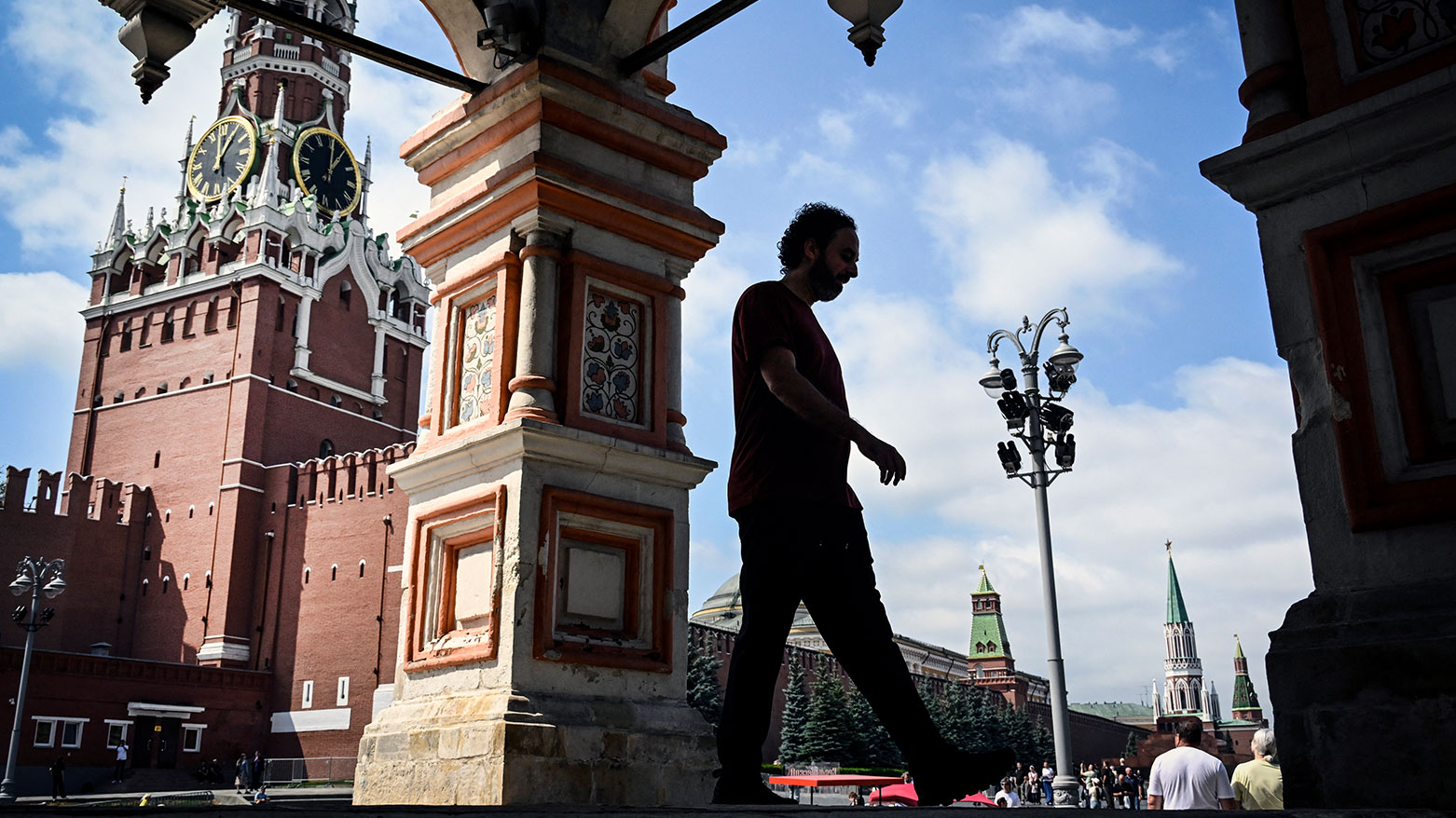
ERBIL (Kurdistan24) - Russia said the Moscow region came under one of its largest overnight drone assaults since the start of the war in Ukraine, with authorities reporting that more than 370 unmanned aerial vehicles were launched toward the capital region before most were intercepted by air-defense systems.
Moscow Mayor Sergei Sobyanin said the attacks began on Friday evening and continued through the night, describing an extensive defensive operation aimed at preventing drones from reaching the Russian capital.
According to Sobyanin, 64 drones were destroyed while approaching Moscow, while the majority of the incoming aircraft were intercepted at greater distances from the city, reflecting what Russian authorities portrayed as a layered air-defense response. AFP reported the mayor's statement, while stressing that the figures came from Russian officials.
The latest barrage underscores how long-range drone operations have become an increasingly prominent feature of the conflict, extending well beyond front-line positions into Russia's political and economic heartland.
Although Moscow has repeatedly reported intercepting large numbers of drones in recent months, the scale of the latest overnight operation illustrates the sustained pressure posed by aerial attacks reaching deep inside Russian territory.
The significance of the latest assault extends beyond the capital itself. Russian officials also reported deadly strikes on logistics infrastructure, highlighting how drone operations are increasingly affecting facilities linked to commerce and transportation.
According to Russia's Tambov regional authorities, cited by TASS and AFP, seven employees working an overnight shift were killed and 24 others were injured after drones struck a Wildberries logistics center in Kotovsk.
Governor Yevgeny Pervyshov said emergency crews, firefighters, medical personnel and law enforcement officers were deployed to the site, where firefighting operations continued after the main blaze had been brought under control.
Wildberries later confirmed that facilities in both Kotovsk and Elektrostal had been affected by overnight attacks, AFP reported.
Elsewhere in the Moscow region, Governor Andrei Vorobyov said 24 people were injured after a drone struck another Wildberries warehouse in Elektrostal, according to RIA Novosti.
Regional authorities also reported that a separate drone incident sparked a fire at an oil depot in nearby Noginsk, prompting the precautionary evacuation of a maternity hospital located close to the site while emergency responders worked to secure the area. Russian officials said air-defense systems remained active across the region throughout the night.
Taken together, the incidents suggest that the expanding use of long-range drones is increasingly affecting infrastructure that supports economic activity as well as transportation and logistics, adding another layer to a conflict that has evolved far beyond conventional battlefield engagements.
Russian officials have also linked recent attacks to broader concerns over critical national infrastructure.
TASS reported that Alexander Kriyerenko, chairman of a committee in the Russian-backed Lugansk People's Republic legislature, described the recent killing of the chief engineer of the Zaporizhzhia Nuclear Power Plant as an attempt to disrupt operations at Europe's largest nuclear facility.
According to the Russian lawmaker, the attack was intended to pressure personnel connected to the plant and undermine its functioning. Ukraine has not publicly accepted responsibility for those allegations, and the claims have not been independently verified.
The latest overnight strikes unfolded against the backdrop of a wider campaign in which Ukraine has increasingly relied on long-range drones to target sites inside Russia.
Kyiv has consistently argued that such operations are a response to Russia's continued attacks on Ukrainian territory, while Moscow characterizes them as attacks on civilian and strategic infrastructure.
As aerial operations become more frequent on both sides of the conflict, they are reshaping the security landscape far from the front lines.
The growing reach of drone warfare has expanded the range of locations vulnerable to attack, placing logistics centers, industrial facilities and other strategic assets under heightened pressure.
Diplomatic efforts to end the war remain stalled, AFP reported, leaving military developments to dominate the conflict's trajectory.
Against that backdrop, the latest overnight assault on the Moscow region illustrates how long-range drone operations have become a central element of the war, with their effects increasingly felt across Russia's interior as well as along the battlefield.
|
Summary Russian officials said more than 370 drones targeted the Moscow region overnight, with most intercepted before reaching the capital. The attacks coincided with deadly strikes on logistics facilities, underscoring the expanding role of long-range drone warfare as diplomatic efforts remain stalled. |