Iran Says Multiple Agreements to Be Signed During Iraqi PM Zaidi's Tehran Visit
Tehran says Iraqi Prime Minister Ali Zaidi's visit will focus on expanding economic, security, political, and border cooperation while reinforcing regional dialogue.
ERBIL (Kurdistan24) - Iran expects to conclude a series of agreements and memorandums of understanding during Iraqi Prime Minister Ali Zaidi's upcoming visit to Tehran, with officials presenting the trip as an opportunity to broaden cooperation across a range of shared interests at a time of heightened regional diplomatic activity.
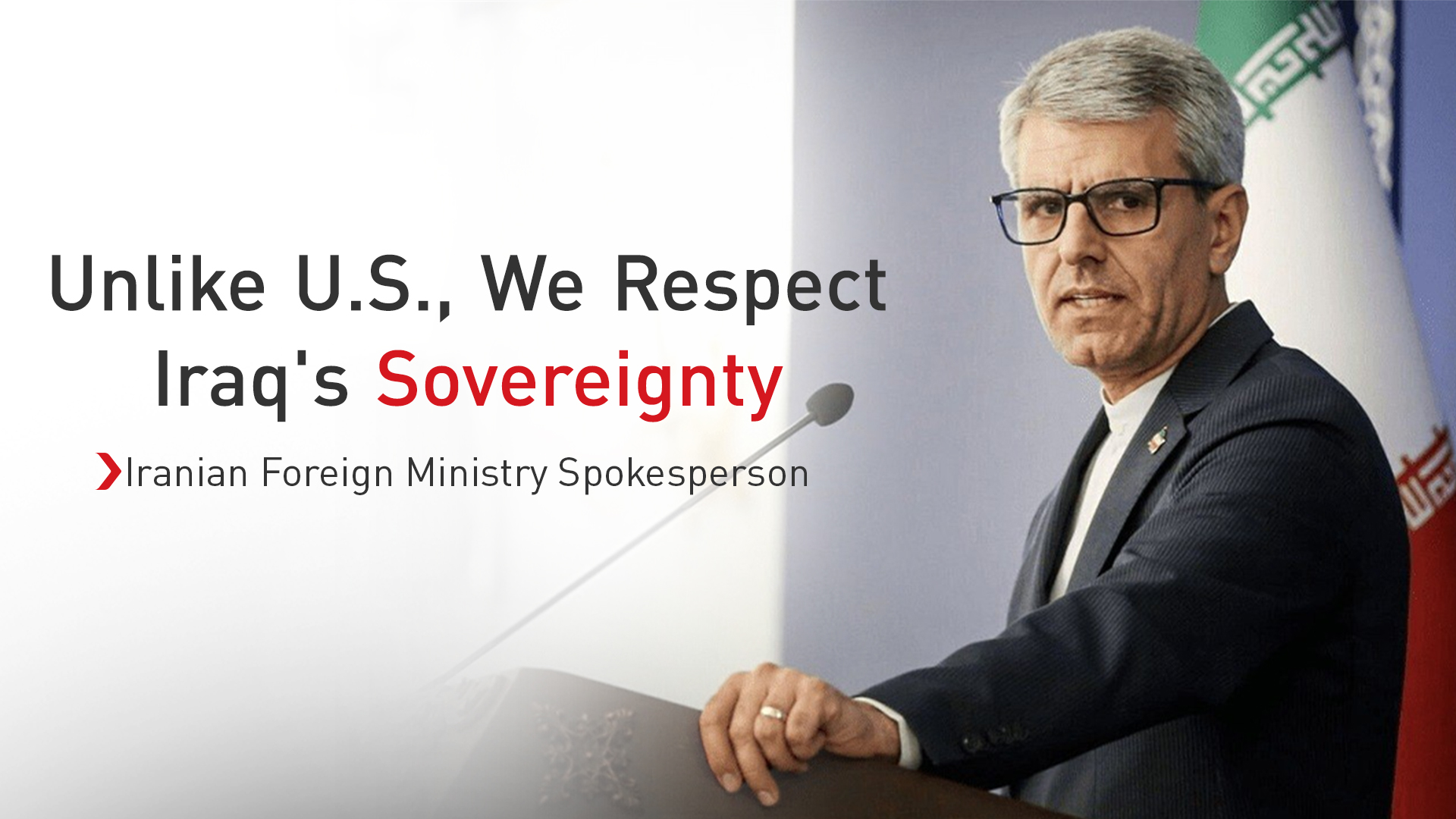
Speaking ahead of the visit, Iranian Foreign Ministry spokesperson Esmaeil Baqaei described relations between Tehran and Baghdad as strategically important, saying the planned meetings would build on longstanding political, economic and security ties between the neighboring countries.
According to Baqaei, discussions are expected to span several areas of mutual interest, including economic and commercial cooperation, coordination on security matters, and efforts to strengthen border management.
Responding to a question regarding the upcoming visit of the Iraqi Prime Minister to Tehran and its agenda, the Iranian Foreign Ministry Spokesperson stated، "This is a bilateral visit. You are all well aware of the strategic importance of relations between the Islamic Republic of Iran and Iraq."
He said both sides also intend to formalize elements of their cooperation through a number of agreements and memorandums of understanding scheduled to be signed during the visit.
Baqaei characterized the Iraqi premier's trip as an important step in sustaining dialogue between the two governments, emphasizing Iran's support for Iraq's stability, sovereignty and development.
"We have always attached special value to Iraq's stability, prosperity, independence, and sovereignty. We have spared no effort in enhancing our bilateral ties and assisting in the preservation of Iraq's sovereignty and independence, while fully respecting the country's internal political dynamics," Baqaei said, adding, "Of course, this has not been the approach taken by others," he noted.
"The Americans have consistently pursued a policy of interference, intimidation, and coercion toward the countries of the region, including Iraq," Baqaei added.
Emphasizing that the visit by the Prime Minister of Iraq, Mr. al-Zaidi, to the Islamic Republic of Iran is of utmost importance, Baqaei continued: "We eagerly welcome him and his accompanying delegation, and we are confident that this visit will serve as a turning point in the upward trajectory of relations between our two neighboring, Muslim nations."
"During this trip, a wide spectrum of issues is slated for discussion, including economic and commercial cooperation, collaboration across various border sectors, and matters pertaining to the mutual security of both countries," he explained.
"Furthermore, it is anticipated that several formal documents and memorandums of understanding (MoUs) will be signed during the visit, the details of which will be announced in due course," Baqaei concluded.
He said Tehran views continued engagement with Baghdad as an essential component of bilateral relations and welcomed the Iraqi delegation's forthcoming arrival.
The anticipated agreements are expected to reinforce existing channels of cooperation rather than introduce a fundamental shift in relations.
Economic collaboration, cross-border coordination and security cooperation have long featured prominently in discussions between the two governments, and the latest round of talks is intended to advance those areas through formal understandings.
The visit also comes as governments across the region continue to navigate an evolving geopolitical landscape, giving diplomatic engagement between neighboring states added significance.
While officials have not outlined the full contents of the planned agreements, the emphasis placed on political dialogue and practical cooperation reflects a shared interest in maintaining regular high-level consultations.
Baghdad has similarly framed the visit within the context of Iraq's broader regional diplomacy.
Earlier on Monday, Iraqi government spokesperson Haider Aboudi confirmed that Prime Minister Zaidi will undertake official visits to both Iran and Türkiye, describing the engagements as part of Iraq's ongoing diplomatic outreach to regional partners.
According to the Iraqi government, the visits underscore Baghdad's efforts to maintain communication with neighboring countries while supporting dialogue aimed at reducing regional tensions.
Iraqi officials have repeatedly emphasized diplomacy as a central element of the country's foreign policy, seeking to encourage engagement among regional actors during a period of continued uncertainty.
Iraq's Prime Minister Ali al-Zaidi's visit to Tehran follows closely on the heels of a high-profile trip to Washington, where Iraq sought to reinforce its strategy of expanding international economic partnerships while maintaining a balanced foreign policy across the region.
During his U.S. visit, Baghdad oversaw the signing of 48 agreements and memorandums of understanding with American government agencies and private-sector companies spanning energy, technology, telecommunications, education, agriculture, healthcare, industrial development and infrastructure.
Iraqi officials presented the package as a cornerstone of the government's long-term economic agenda, aimed at attracting foreign investment, modernizing key sectors and reducing the country's dependence on oil revenues.
Energy remained central to the discussions in Washington, with agreements involving major international companies focused on oil production, natural gas development, refinery expansion and electricity infrastructure.
The government also highlighted projects intended to strengthen digital connectivity, industrial capacity and broader private-sector participation, reflecting an effort to diversify Iraq's economy while enhancing long-term energy security.
Prime Minister Zaidi has consistently argued that Iraq seeks strategic partnerships capable of delivering advanced technology, technical expertise and sustained investment rather than short-term commercial contracts.
Iraqi officials have likewise emphasized that economic diplomacy has become a defining feature of Baghdad's foreign policy, complementing its security partnerships with a broader focus on trade, infrastructure and development.
The planned visit to Tehran reflects that wider diplomatic approach.
While the discussions with Iran are expected to focus on bilateral cooperation, border coordination and regional security, they also underscore Baghdad's effort to deepen economic engagement with neighboring countries alongside its expanding ties with Western partners, positioning Iraq as a bridge between regional and international stakeholders.
|
Summary Iran says Iraqi Prime Minister Ali Zaidi's upcoming visit to Tehran will include multiple agreements covering economic, political and security cooperation. Baghdad also says visits to Iran and Türkiye reflect Iraq's commitment to regional dialogue and easing tensions. |