Rubio Says Iran Not Serious About Talks Despite US Openness, Speaking at ASEAN Meeting in Manila
Secretary of State delivers pointed warning to Tehran at ASEAN foreign ministers gathering, saying Washington will "do what is necessary" if Iran fails to engage seriously
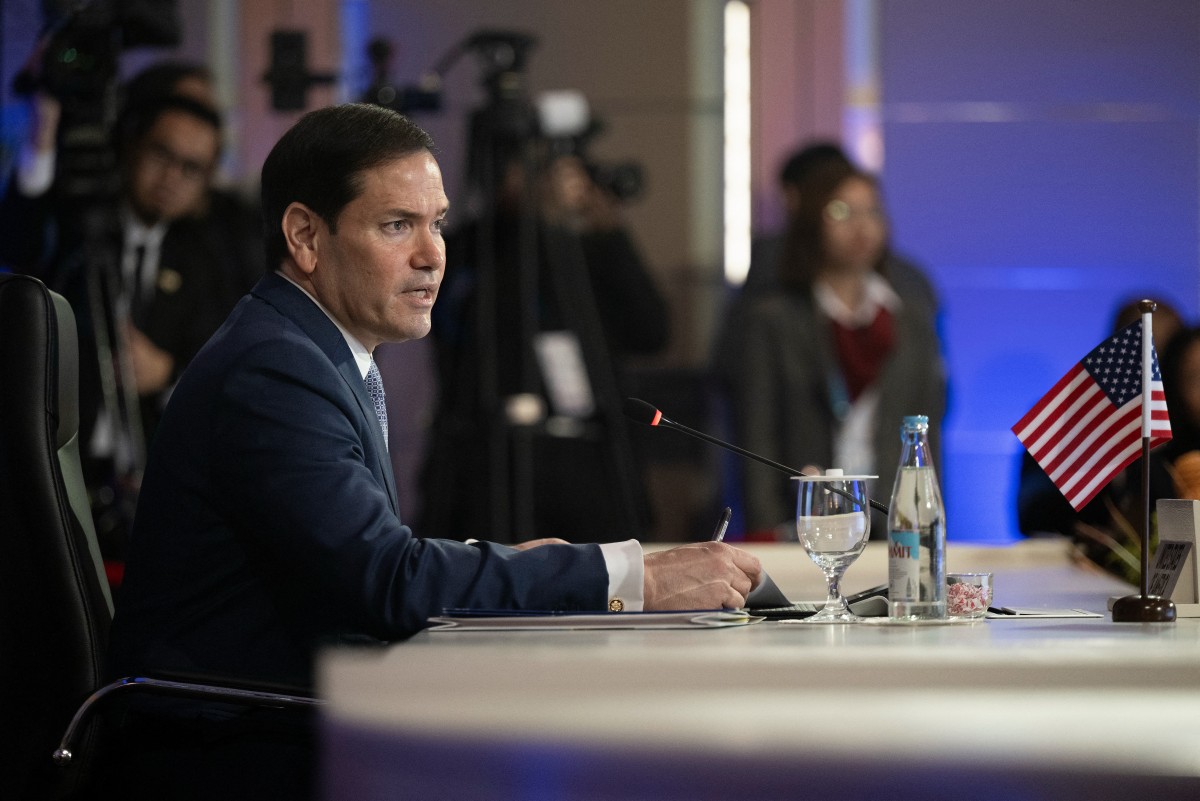
ERBIL (Kurdistan 24) - US Secretary of State Marco Rubio accused Iran of failing to engage seriously in diplomatic talks on Wednesday, telling foreign ministers gathered at the Association of Southeast Asian Nations meeting in Manila, Philippines, that Washington remains fully committed to diplomacy but will act decisively if Tehran continues to avoid meaningful engagement.
"The US is always committed to diplomacy," Rubio said in his opening remarks at the ASEAN Post-Ministerial Conference in Pasay, Metro Manila. "We are open-minded and always willing to engage, negotiate and settle differences." He then delivered a pointed warning directly aimed at Tehran. "The problem we're having right now with Iran is that they're not serious about talks. If they're serious, we're serious. If they're not, then we will do what is necessary to protect our interests and also the interests of our allies."
As CNN confirmed on Wednesday, the remarks came as the United States completed its ninth consecutive night of strikes against Iran, with Rubio making the statement from Manila while American jets were simultaneously hitting Iranian targets for the ninth night in a row, a juxtaposition that underlines the dual-track posture Washington has maintained throughout the conflict.
Rubio also highlighted Iran's internal divisions as a complicating factor in the diplomatic process. As MEAWW reported on Tuesday, the Secretary of State told reporters that Iran is continuing to send messages directly and through multiple channels, indicating a willingness to negotiate, but noted that a "growing split" within Iran's political system is slowing the process. "They'll have to work out that split internally. We're going to continue to respond," he said.
The ASEAN setting for Rubio's Iran remarks was itself diplomatically significant, signaling that Washington is pressing its case on Tehran's negotiating posture not only in bilateral channels and through Gulf mediators but also in multilateral forums spanning the Indo-Pacific, where several member states are significant importers of Gulf energy and have a direct economic stake in the resolution of the Strait of Hormuz crisis.
Rubio's position on the conditions for any diplomatic settlement has remained consistent throughout the conflict. As Al Jazeera reported on June 2, 2026, Rubio told the US Senate Foreign Relations Committee that the first condition in any talks was that Iran open the Strait of Hormuz and commit to negotiations on its stock of highly enriched uranium, adding that sanctions relief would only come after significant concessions on the nuclear programme. "That's not been discussed. That's not been offered," Rubio said of sanctions relief linked solely to the strait's reopening.
Iran's chief negotiator Mohammad Bagher Ghalibaf had warned on X that the strait "will not return to prewar conditions" and that Tehran "will receive a fee for services" once the 60-day toll-free period stipulated in the memorandum of understanding expires, a position that remains irreconcilable with Rubio's stated red lines and represents one of the deepest structural obstacles to any lasting settlement.
| BRIEF: Secretary of State Marco Rubio said at the ASEAN foreign ministers meeting in Manila on Wednesday, July 22, 2026, that Iran is "not serious about talks" despite Washington's openness to diplomacy, warning that the US will "do what is necessary" if Tehran fails to engage, as American forces completed their ninth consecutive night of strikes against Iran. |