Erbil To Build 100-Bed Thalassemia Hospital
Erbil Governor Omed Xoshnaw says land has been secured and the final design is being prepared for a specialized 100-bed hospital for thalassemia patients on a 20,000-square-meter site, with no cost or timeline announced yet
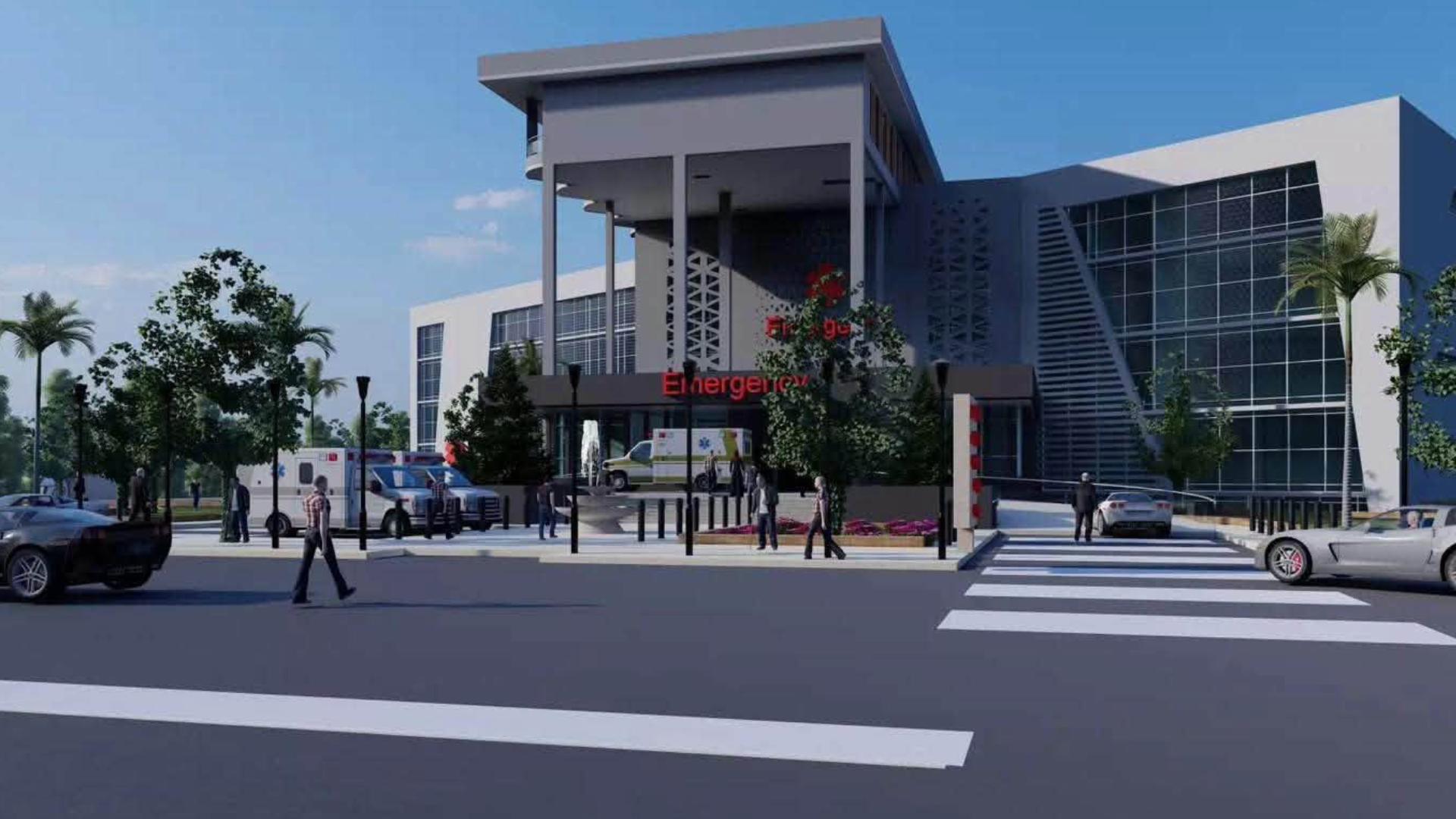
ERBIL (Kurdistan 24) - A specialized hospital with 100 inpatient beds for thalassemia patients will be built in Erbil in the near future, Erbil Governor Omed Xoshnaw told Kurdistan 24 on Sunday.
Xoshnaw said the project will be an advanced facility on an area of 20,000 square meters. He said Erbil Municipality, in coordination with the Erbil General Directorate of Health, has secured a suitable plot of land, and that work is continuing on the hospital’s final design. He pledged every facilitation for what he called a humanitarian and health project, including the land and the delivery of core services, so that thalassemia patients suffer less and receive the best medical care. No cost, funding source, builder or opening date was given.

Erbil already has a dedicated thalassemia center, which served about 1,100 registered patients as of 2025 and about 50 patients a day who rely on regular blood transfusions and medication, its director Areen Sartip told Kurdistan 24 at the time. According to the Statistic published by Petrichor Organization for Human Rights, 950 patients are registered in Erbil, up from 760 in 2014, with 1,387 in Sulaimani including Halabja and 819 in Duhok. Counts for the whole Region vary by source.

Health Minister Saman Barzanji said in May that 2,400 patients were registered, including 300 displaced people and refugees, while provincial figures total more than 3,000 and the Thalassemia Association put the total above 3,500 in 2025.
The disease is growing in the Kurdistan Region.
A study in the Iraqi Journal of Hematology found that thalassemia syndromes rose from 30.8 per 100,000 people in 2015 to 37.3 per 100,000 in 2020, according to the reports, and about 4 to 7 percent of the population carries the beta thalassemia trait. The Region introduced mandatory premarital screening in 2008, which a study in Public Health Genomics found reduced the rate of affected births by 21.1 percent in its first years.
The Kurdistan Regional Government has expanded care for patients. In 2025, Prime Minister Masrour Barzani ordered free testing and treatment for thalassemia patients in government hospitals. His government has also been sending patients abroad for bone marrow transplants, with a second group of 40 patients leaving Erbil International Airport on October 1, 2025. The first group returned home after 100 days of treatment, Kurdistan 24 reported in December that 220 patients had been treated under an 11-billion-dinar budget.
The new hospital would add inpatient capacity to a system that has so far relied on outpatient treatment centers and treatment abroad.