Iraq Says Thousands of Young Citizens Are Fighting on Opposing Sides in Russia-Ukraine War
Iraqi National Security Advisor Qasim Al-Aboudi said economic hardship has driven thousands of Iraqi youths to enlist with Russian and Ukrainian forces, prompting a security crackdown on recruitment networks and diplomatic efforts to assist Iraqi nationals caught in the conflict.
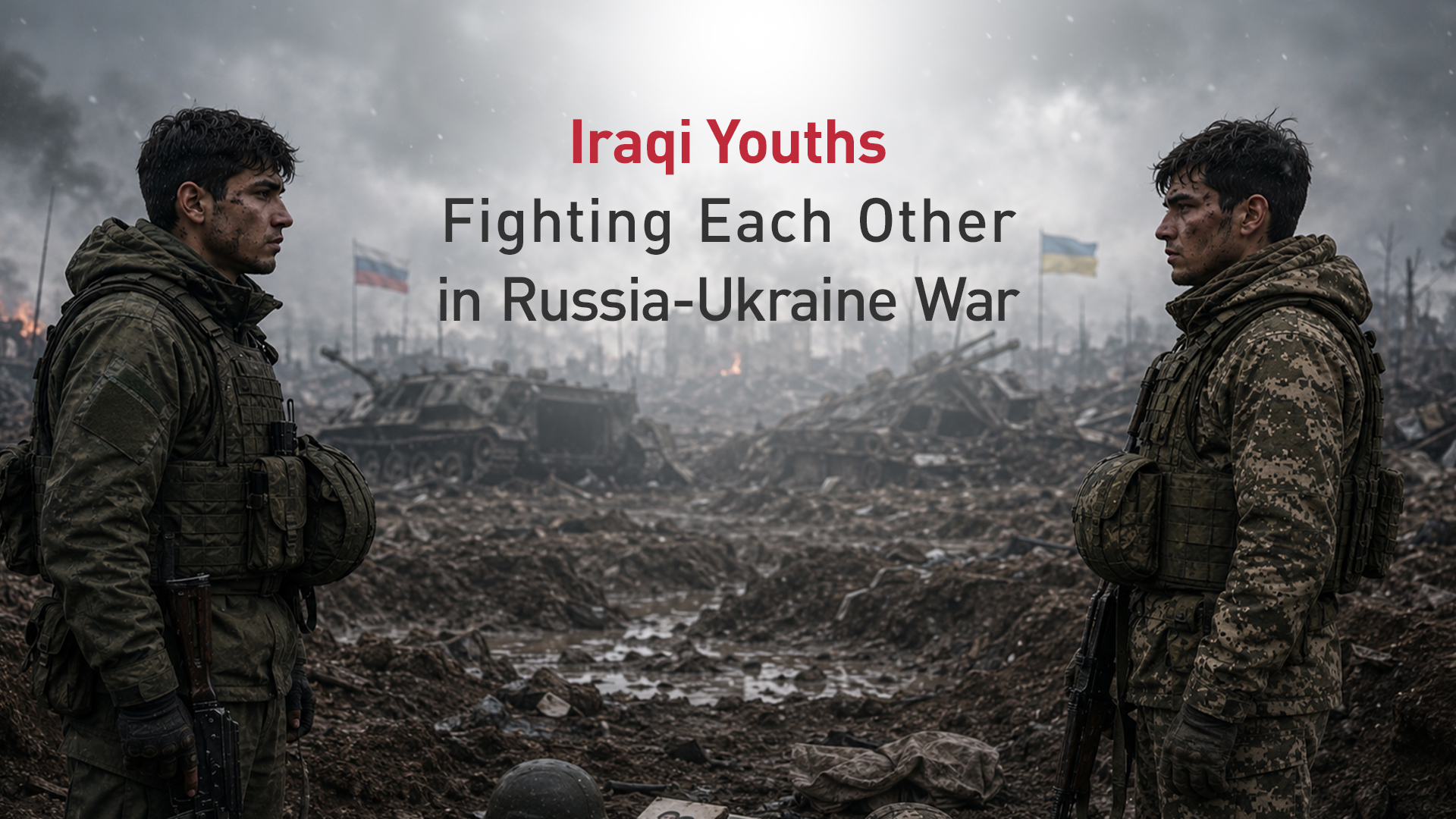
ERBIL (Kurdistan24) - Iraq's National Security Advisor Qasim Al-Aboudi has revealed that an estimated 3,000 to 5,000 Iraqi citizens have joined the armed forces of both Russia and Ukraine since the war began, creating the unprecedented situation of Iraqi nationals fighting on opposing sides of the same conflict.
Speaking in a recent interview, Al-Aboudi said Iraqi authorities believe more than 200 Iraqis have been killed, underscoring what officials now describe as a growing national security and humanitarian concern driven largely by economic hardship rather than political or ideological motivations.
According to Al-Aboudi, intelligence findings indicate that many of the recruits were motivated by unemployment, poverty, and the promise of financial compensation.
Iraqi authorities say some were also offered the prospect of residency or citizenship after completing military service, incentives that security officials believe have attracted vulnerable young men seeking opportunities unavailable at home.
"Iraqi youths are fighting on both sides of the frontlines," Al-Aboudi said, adding that "a significant number have already been killed."
The National Security Advisor said Iraqi intelligence services have identified organized recruitment networks operating both online and on the ground.
According to Iraqi officials, recruiters allegedly used social media platforms, intermediaries, recruitment offices and smuggling channels in parts of Iraq, including southern provinces, to facilitate the movement of young Iraqis into the Russia-Ukraine war.
Authorities now regard dismantling those networks as a security priority. Al-Aboudi said intelligence agencies have launched operations targeting those responsible for recruiting and transporting Iraqi citizens, leading to the closure of several recruitment offices and the arrest of individuals suspected of involvement in the networks.
Officials describe the campaign as part of a broader effort to prevent Iraqis from becoming involved in foreign conflicts and to disrupt organizations that profit from recruiting vulnerable people for combat abroad.
The government has also sought to address the issue through diplomatic channels. Al-Aboudi said Iraqi representatives have been working with Russian and Ukrainian authorities concerning Iraqi nationals caught up in the conflict, including those reported to have been taken prisoner.
He disclosed that Iraq's representative in Moscow recently visited a prisoner-of-war camp and met Iraqi citizens being held there, reflecting Baghdad's efforts to monitor their condition and pursue appropriate diplomatic engagement.
While Iraqi officials have cited estimates that more than 200 Iraqis have died in the war, those figures have not been independently verified. Al-Aboudi said the reported fatalities illustrate the human cost of a phenomenon that Iraqi authorities say has expanded as recruitment networks exploited worsening economic conditions.
The issue has attracted increasing public attention in recent weeks after videos circulating on social media appeared to show Iraqi nationals fighting in the Russia-Ukraine conflict. The footage prompted renewed domestic debate over how Iraqi citizens were being recruited and transported to the battlefield.
In response, Iraqi authorities intensified investigations into the alleged recruitment infrastructure. Previous government action included the formation of a high-level investigative committee to examine the issue, while judicial authorities announced legal measures targeting those accused of recruiting or facilitating the travel of Iraqis to participate in foreign wars.
According to Iraqi officials, recruitment into overseas armed conflicts is treated as a serious legal matter, with authorities pursuing both criminal investigations and judicial action against individuals and networks suspected of organizing or enabling such activities.
For Baghdad, the concern extends beyond the immediate risks facing Iraqi citizens overseas. Officials argue that allowing organized recruitment networks to operate unchecked poses broader security challenges, encourages human trafficking, and exploits economic vulnerability among young people already struggling with unemployment.
Al-Aboudi's remarks highlight the intersection of security and socioeconomic pressures confronting Iraq, where officials increasingly view the recruitment of young citizens into foreign conflicts as a consequence of domestic economic difficulties as much as an intelligence challenge.
As investigations continue, Iraqi authorities say they are combining intelligence operations, law enforcement measures, judicial action and diplomatic engagement in an effort to curb recruitment, assist Iraqi nationals affected by the conflict, and prevent additional young people from being drawn into a war far from home.
|
Summary Iraqi National Security Advisor Qasim Al-Aboudi said 3,000–5,000 Iraqi youths have joined both sides of the Russia-Ukraine war. Iraqi authorities are targeting recruitment networks linked to unemployment, pursuing legal action, assisting prisoners of war, and expanding security efforts across Iraq. |