Katz Says U.S. Blocking Israeli Strike on Iran's Energy Infrastructure
Israeli Defense Minister Israel Katz says Jerusalem wants to target Iran's energy infrastructure, while the United States is withholding approval amid concerns over wider regional escalation, as Prime Minister Benjamin Netanyahu prepares for talks with President Donald Trump.
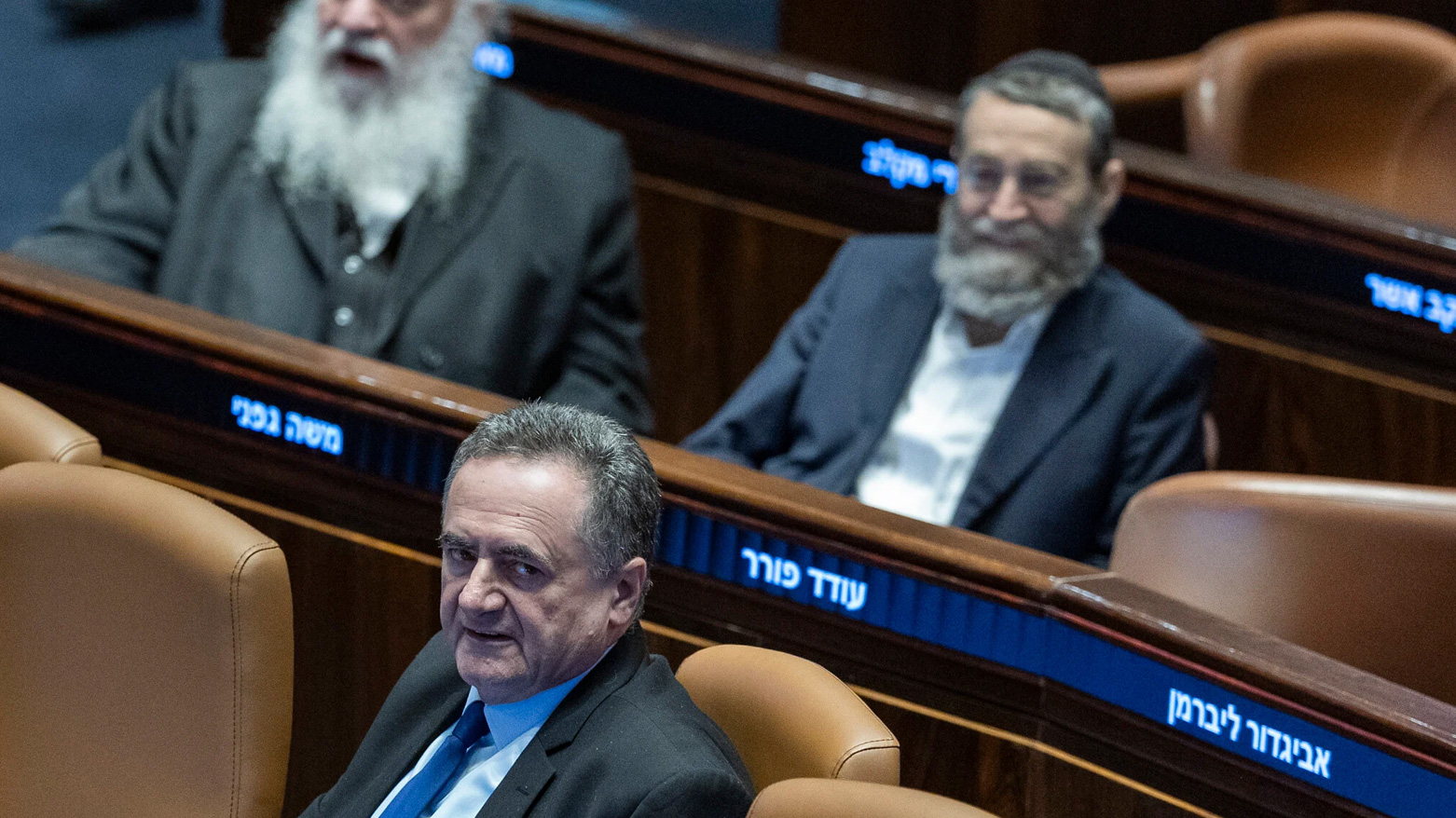
ERBIL (Kurdistan24) - Israeli Defense Minister Israel Katz has publicly acknowledged a significant policy difference between Israel and the United States over how to confront Iran following their recent military conflict, saying Jerusalem remains prepared to strike Iranian energy infrastructure while Washington is currently opposing such action out of concern that it could ignite a broader regional crisis.
Speaking in an interview cited by The Times of Israel, Katz said Israel continues to view additional military pressure on Iran as a viable option, particularly against strategic economic assets.
According to the defense minister, however, the United States has not endorsed such a course because of fears that Iranian retaliation could extend beyond Israel, drawing neighboring countries into the conflict and disrupting global energy supplies.
Katz's remarks provide one of the clearest public indications yet that, despite close strategic coordination between the two allies, differences have emerged over the pace and scope of any future military action against Tehran.
He said Israel "very much" wants to target Iran's energy infrastructure but added that Washington is "not approving it at the moment."
Katz also asserted that Israel is prepared to inflict long-term damage on Iran's strategic capabilities, underscoring the country's determination to maintain pressure on its regional adversary.
His comments come as Israeli officials continue to argue that sustained deterrence remains essential after months of confrontation with Iran, while U.S. policymakers appear increasingly focused on preventing the conflict from expanding into a wider regional war.
According to The Times of Israel, the American position reflects concerns that attacks on Iran's energy sector could prompt retaliatory strikes against neighboring states or critical energy infrastructure, potentially destabilizing oil markets and creating broader economic repercussions beyond the Middle East.
The differing emphasis illustrates the challenge facing both governments as they seek to balance military deterrence with efforts to avoid another round of large-scale regional escalation.
Those policy questions are expected to feature prominently when Israeli Prime Minister Benjamin Netanyahu meets U.S. President Donald Trump in Washington, a visit that comes at a sensitive moment in bilateral relations.
Reporting by The Associated Press indicates that the meeting is expected to serve as an opportunity for the two leaders to reaffirm coordination while addressing differences that have surfaced since the war with Iran.
Although both governments remain aligned on the objective of preventing Iran from advancing its nuclear program, recent public comments suggest they may differ over how aggressively to pursue that goal.
Trump acknowledged the existence of some disagreement, telling reporters that there was "a little difference" between the two governments regarding Iran while adding that they remained broadly aligned.
For Netanyahu, the White House meeting offers an opportunity to discuss Israel's latest intelligence assessments and consult with the U.S. administration on the next phase of policy toward Tehran.
According to the AP, the Israeli leader has continued to emphasize that Iran's nuclear ambitions remain the central strategic concern and has expressed support for diplomatic solutions only if they effectively halt Tehran's nuclear activities.
The talks are also expected to cover wider regional issues, including Lebanon, Gaza, and ongoing efforts to strengthen regional security arrangements, reflecting the breadth of the U.S.-Israel partnership beyond the Iran file.
Even as tactical differences have become more visible, neither side has suggested a fundamental shift in the alliance itself. Instead, the current debate appears centered on how best to preserve deterrence while limiting the risk of another conflict that could draw additional regional actors into hostilities.
Katz's comments therefore highlight an increasingly complex strategic landscape in which Israel continues to advocate maintaining credible military options against Iran, while the United States appears to be weighing those options against broader regional stability and global economic considerations.
As Netanyahu and Trump prepare to meet, the discussions are likely to offer further insight into how Washington and Jerusalem intend to coordinate their approach toward Iran in the months ahead.
While both governments continue to share long-term security objectives, recent statements suggest that questions surrounding timing, escalation, and the use of military force remain subjects of active consultation rather than settled policy.
|
Summary Israel Defense Minister Israel Katz said Israel wants to strike Iran's energy infrastructure, but the U.S. is withholding approval over escalation concerns. His remarks come ahead of Netanyahu's meeting with President Trump, where Iran and regional security are expected to dominate discussions. |