Source: Iraqi Prime Minister Threatens Resignation Amid Rift Over Saudi Visit
A source within the Coordination Framework told Kurdistan24 that Prime Minister Ali Zaidi warned he could resign from his post as Iraq's Prime Minister as disagreements over his planned Saudi Arabia visit exposed deeper tensions over executive authority and security commitments.
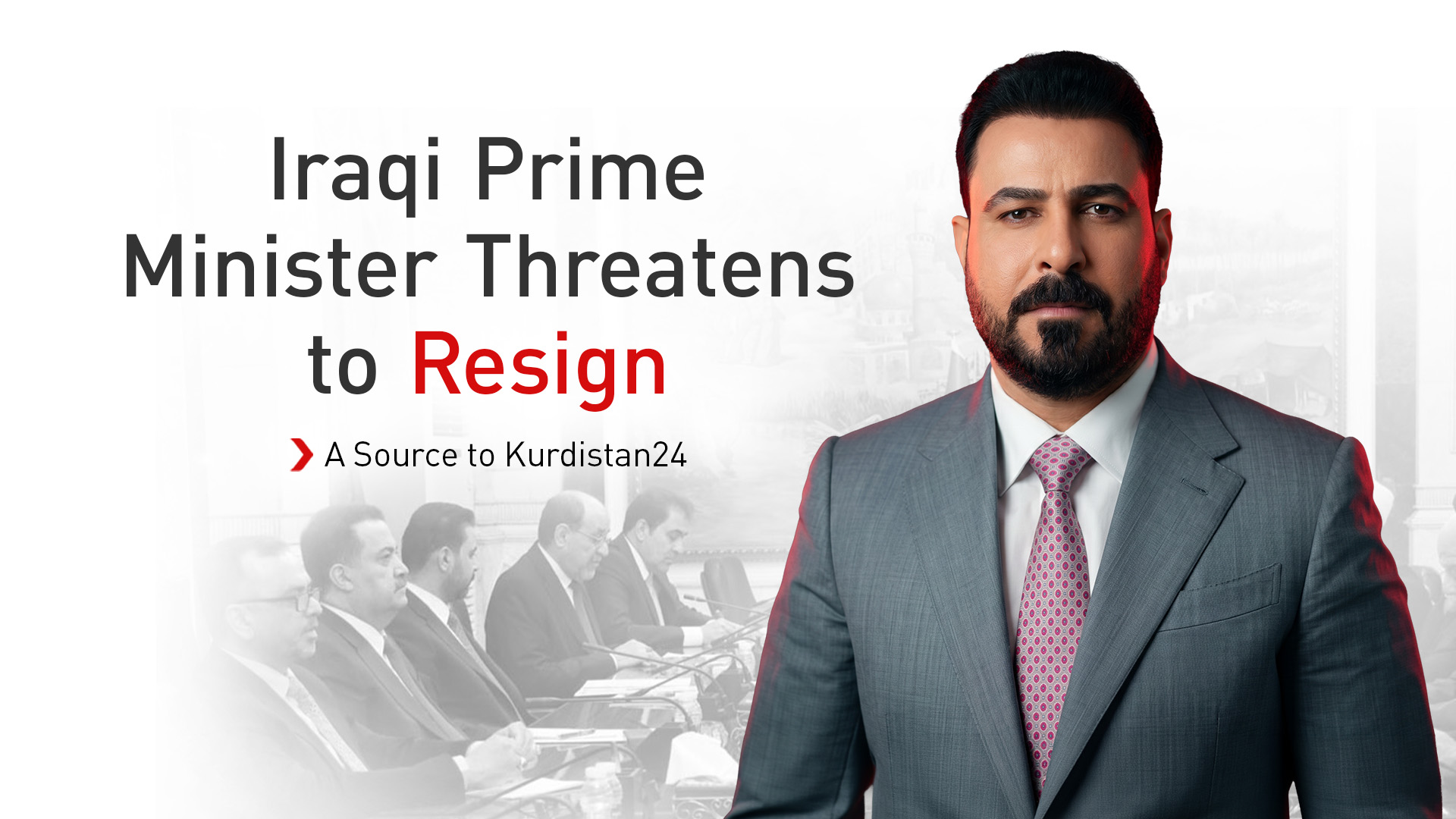
ERBIL (Kurdistan24) - Iraqi Prime Minister Ali Zaidi warned that he could resign from his post as Iraq's Prime Minister during a high-level meeting with the Coordination Framework after a dispute over his planned visit to Saudi Arabia exposed deeper divisions over executive authority and foreign policy, according to a source within the political alliance speaking to Kurdistan24.
The reported remarks came during a meeting held after a session of the Iraqi National Security Council, where discussions reportedly revealed competing views within the Coordination Framework over the Prime Minister's diplomatic agenda.
According to the source, the alliance was split evenly on how to proceed with Zaidi's planned trip to Saudi Arabia.
Six factions reportedly pressed for the visit, and a scheduled meeting with Saudi Crown Prince Mohammed bin Salman, to be canceled altogether.
Another six factions, while viewing the visit as strategically important, reportedly argued that it should instead be postponed until political conditions become more favorable.
The disagreement prompted a sharp response from the Prime Minister, the source said.
Zaidi reportedly warned that he would step down if the constitutional authority of the Council of Ministers and the National Security Council was not respected by political factions.
According to the source, Zaidi also made clear that any adjustment to his diplomatic schedule should not appear to have been made under pressure from the Coordination Framework.
His reported comments underscored what the source described as a broader dispute over the extent to which political blocs should influence executive decision-making, particularly on matters of foreign policy.
The developments, if confirmed, would represent one of the clearest public signs yet of internal friction within Iraq's governing alliance over the balance between political consensus and the Prime Minister's authority to conduct state affairs.
The Coordination Framework remains Iraq's principal governing political coalition, making any reported disagreement over the Prime Minister's foreign engagements particularly significant.
The reported divisions surrounding the Saudi visit also illustrate broader sensitivities over diplomatic decision-making at a time of heightened regional political activity.
Beyond the dispute over foreign policy, the source said Zaidi urged political factions to concentrate on implementing existing security commitments rather than contesting executive decisions.
He reportedly called on alliance members to accelerate the agreed disarmament process, reminding participants of a standing agreement requiring armed groups to surrender their weapons and complete decommissioning by the September 30 deadline.
According to the source, the Prime Minister's intervention sought to redirect attention toward previously agreed security obligations while reinforcing the institutional authority of the executive branch.
The reported exchanges have not been independently confirmed, and the account is based solely on information provided by a source within the Coordination Framework speaking to Kurdistan24.
Nevertheless, the reported meeting highlights the political pressures surrounding both Iraq's domestic security agenda and the conduct of its foreign policy as senior leaders navigate increasingly complex regional and internal dynamics.
|
Summary A source within the Coordination Framework told Kurdistan24 that Iraqi Prime Minister Ali Zaidi threatened to resign during a key political meeting after disagreements over his planned Saudi Arabia visit, executive authority, and security commitments exposed growing tensions within Iraq's governing alliance. |